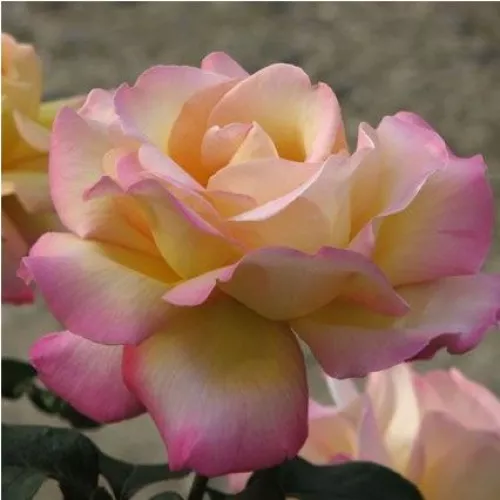
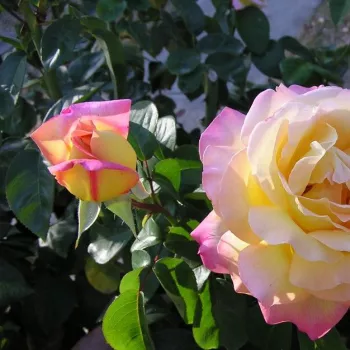
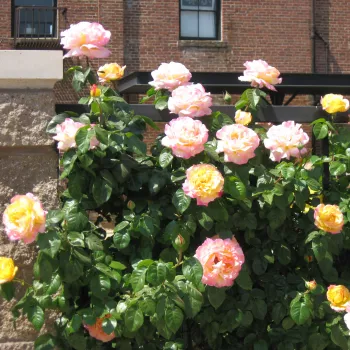
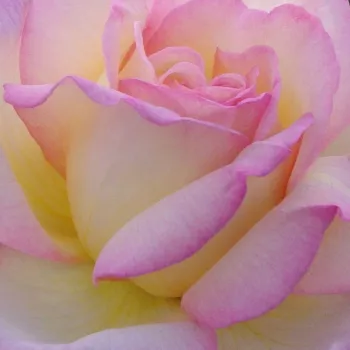
BÉKE - PEACE – light yellow with pink petal edges tea-hybrid rose - Meilland
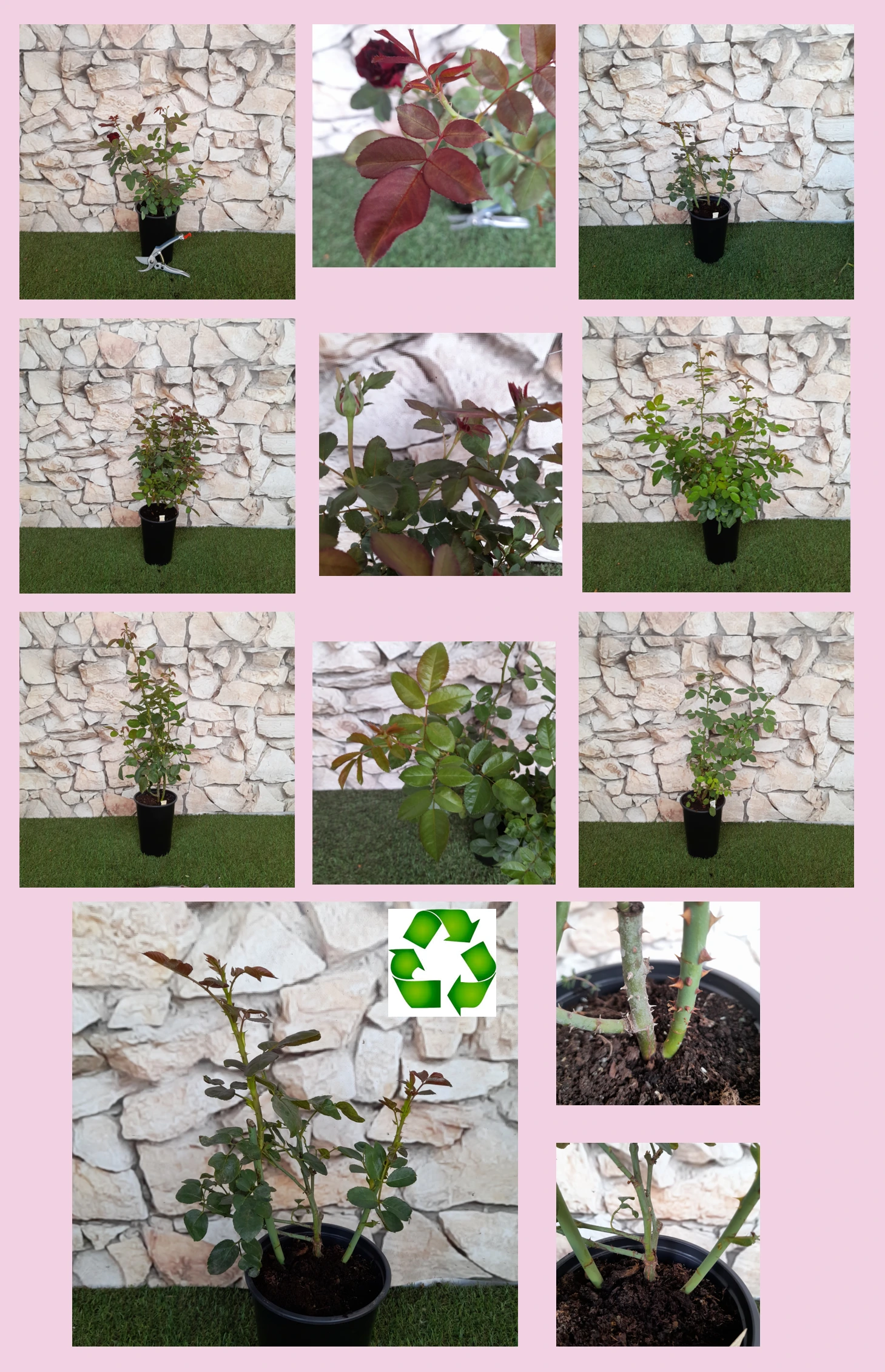
Plant BÉKE - PEACE for a timeless, storybook romance along a path, under a window or beside your favourite bench, where its large, pastel blooms and medium, well-balanced fragrance create an atmosphere of afternoon-tea elegance. This classic hybrid tea stands upright and graceful, ideal as a solo feature or repeated through a cottage border, and its strong black-spot resistance keeps foliage healthy even in changeable, damp British summers near brisk, coastal winds. Grown on its own roots, it settles securely, lives long and can regenerate from the base, so you spend less time replacing plants and more time enjoying gathered bunches of cut stems indoors. The container-grown 2‑litre plants are easy to handle and establish, progressing from building roots in the first year to stronger shoots in the second, then full garden impact by the third, giving dependable, remontant flowering with a plentiful second flush.
Usage options
| Target area | Reasoning |
|---|
| Front-of-house specimen by the entrance |
The upright, architectural habit and large, exhibition-style blooms give a smart welcome near the front door or gate, matching traditional brick or render and adding immediate romance without complex shaping, well suited to the busy but style-conscious homeowner. |
| Classic cottage-garden border |
Reliable remontant flowering with a generous second flush threads colour through herbaceous perennials and kitchen-garden edges, so beds never feel bare after the first show, encouraging relaxed, low-effort seasonal enjoyment for the informal cottage-garden enthusiast. |
| Cutting patch or rose-and-vegetable plot |
Long-stemmed, very double flowers in soft yellow and pink are perfect for indoor vases, allowing you to harvest armfuls of blooms while the bush continues to reflower outdoors, an appealing dual-purpose use for the practical but romantic garden planner. |
| Small to medium family lawn edge |
The moderate height and controlled spread frame a lawn or play area without overwhelming space, while the own-root structure anchors firmly and endures years of family activity, reassuring for parents creating a stable, long-lived family garden. |
| Traditional rose bed in mixed weather regions |
Good black-spot resistance and moderate tolerance of heat mean the foliage remains presentable despite humid spells or brief dry periods, reducing spraying and remedial work, a comfort for gardeners wanting dependable beauty with limited free-time. |
| Large container on terrace or patio |
Planted in a substantial 40–50 litre container with good drainage, its upright form and dense foliage make a refined focal point for seating areas, extending the cottage atmosphere onto paved spaces, ideal for balcony and courtyard residents. |
| Long-term structural planting in established beds |
As an own-root shrub it can re-sprout from the base after hard pruning or winter damage, supporting long-term structure and reducing the need for replacement plants, particularly valued by thrifty, future-focused garden investors. |
| Wind-exposed but sheltered-by-planting corners |
Well-rooted own-root plants anchor securely over time, coping better where fences or hedges funnel breezes across the garden, provided drainage is sound and watering is regular in dry spells, a wise choice for slightly exposed coastal-town gardeners. |
Styling ideas
- Tea-on-the-lawn – Repeat three BÉKE - PEACE along a path, underplant with chives and dwarf asters for soft colour and gentle scent – for lovers of classic English afternoon garden scenes.
- Kitchen-border – Mix with lavender cotton and herbs in a raised bed, combining cut flowers and cook’s favourites – for home cooks who like produce and prettiness together.
- Pastel-arch – Position near a simple timber arch or arbour, echoing the bloom colours with pale foxgloves and creamy perennials – for romantics creating a storybook sitting spot.
- Gold-standard – Use as a centrepiece in a traditional rose bed, framed by low box or lavender, to spotlight its celebrated, award-winning character – for collectors who appreciate historic cultivars.
- Courtyard-glow – Grow one plant in a 50‑litre clay pot with airy grasses to soften edges, perfect beside a bistro table – for urban dwellers wanting easy-care elegance in limited space.
Technical cultivar profile
| Parameter | Data |
|---|
| Name and registration |
Hybrid tea rose known as BÉKE - PEACE – Meilland; ARS exhibition name ‘Peace’; commercial hybrid tea type; unregistered cultivar used worldwide under its historic trade name. |
| Origin and breeding |
Bred by Francis Xavier Meilland, France, 1935; complex parentage combining George Dickson, Souvenir de Claudius Pernet and several classic roses; introduced internationally by Meilland in 1945. |
| Awards and recognition |
All-America Rose Selection 1946; RHS Award of Garden Merit 1993; World Federation of Rose Societies “World’s Favourite Rose” and American Rose Society Hall of Fame, both awarded in 1976. |
| Growth and structural characteristics |
Upright bush 110–150 cm tall, 75–105 cm wide, with dense, glossy dark green foliage and moderate prickles; weak self-cleaning so deadheading is recommended to keep shrubs tidy and flowering. |
| Flower morphology |
Large, very double, cup to chalice-shaped blooms with 40+ petals, usually solitary on long stems; classic hybrid tea exhibition form, remontant with a notably plentiful second flush after the main flowering. |
| Colour data and phenology |
Delicate light-yellow base with pink-edged outer petals; buds greenish-yellow with pink tips; colours soften in heat, while cool conditions intensify the pink rim; butter-yellow centres fade to creamy tones as blooms age. |
| Fragrance and aroma |
Medium-strength, soft, well-balanced rose scent, noticeable but not overpowering around seating areas; suitable for cutting so vases bring both its pastel tones and refined fragrance indoors for several days. |
| Hip characteristics |
Produces small, spherical orange-red hips 12–18 mm in diameter on some spent blooms; primarily ornamental and not a heavy hip bearer, as regular deadheading is usually practised to encourage repeat flowering. |
| Resistance and winter hardiness |
Hardy to approximately –26 to –23 °C (RHS H7; Swedish zone 4; USDA 5b); black-spot resistant with moderate tolerance of powdery mildew and rust; handles heat if watered regularly in extended dry spells. |
| Horticultural recommendations |
Best in sunny positions; plant 65 cm apart for beds, 55 cm for hedges, 100 cm as specimens; 2.5–2.9 plants/m² for massing; medium maintenance, with routine deadheading and occasional plant protection as needed. |
BÉKE - PEACE rewards patient gardeners with remontant flowering, refined fragrance and reliable black-spot resistance, and as an own-root rose it offers reassuring longevity and regeneration, making it a thoughtful choice for your next planting decision.