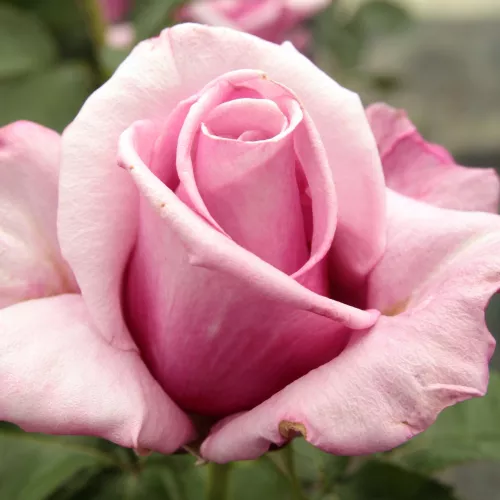
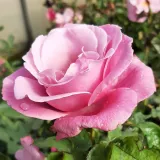
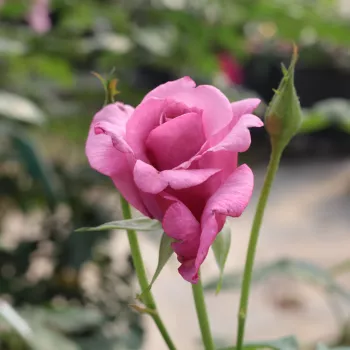
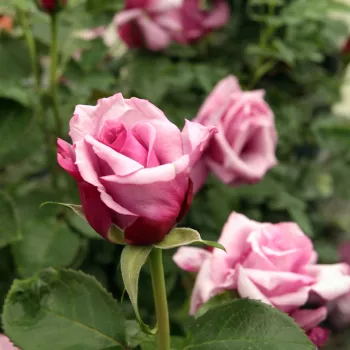
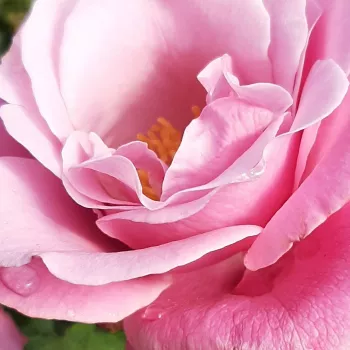
BARBRA STREISAND™ – lavender hybrid tea rose – Carruth
With its distinctive lavender blooms and a sweet perfume that carries across the garden, BARBRA STREISAND™ brings a sense of cosy afternoon elegance to even modest family plots. The upright, well-branched habit fits neatly into mixed borders and classic beds, while the strong, long-stemmed flowers make it an easy choice for cutting into vases for the house. As an own-root plant, it offers reassuring longevity and dependable regrowth after winter or harder pruning, settling securely even where exposed sites mean you must manage brisk winds and persistent rainfall. In typical British conditions it performs reliably in sun with standard feeding and deadheading, avoiding fussy specialist care. The well-furnished, glossy foliage deepens the romantic effect beside cottage-style perennials, and the structured form gives you flexible layout options in rose beds, hedging runs and larger containers from 40–50 litres upwards, maturing gracefully as flowers repeat through the season for long-lasting impact.
Usage options
| Target area |
Reasoning |
| Cottage-style rose bed near a seating area |
The very strong, sweet-citrus scent travels on still summer air, creating a classic afternoon tea atmosphere beside a bench or patio. Large, high-centred blooms repeat well, so there is almost always a flower show for those who value fragrance. |
| Feature rose in a small family front garden |
A single, upright plant makes a refined focal point without overwhelming a modest plot, while glossy dark foliage keeps the plant looking smart between flushes. Own-root growth provides reassuring stability and long service life for the style-conscious homeowner. |
| Cutting patch in a kitchen or side garden |
Long, straight stems and classic exhibition bud shape make this variety excellent for home-cut bouquets, yet the plant remains manageable in height for easy picking. Regular cutting doubles as deadheading, suiting the busy but creative gardener. |
| Mixed cottage border with perennials and small shrubs |
The lavender-lilac colour partners well with blues, silvers and soft pinks, blending neatly with traditional cottage favourites while its upright habit adds structure. It offers medium maintenance with simple seasonal tasks suited to the relaxed cottage enthusiast. |
| Rose hedge or repeated accent along a path |
Planted at recommended spacing, the dense, dark foliage and regular flowering create a coherent line of colour and scent, while own-root plants knit in securely over time. This gives a durable, traditional edge ideal for the practical planner. |
| Large container on a sunny terrace or balcony |
In a 40–50 litre or larger pot with good drainage, its upright form and concentrated flowering provide a vertical highlight without taking excessive ground space. Routine watering and feeding are straightforward, fitting the schedule of the urban owner. |
| Family back garden focal point by lawn or play area |
The robust, bushy structure with moderate prickliness allows clear positioning away from play while still giving a strong visual anchor near a lawn. Sustained flowering through summer rewards minimal regular care from a time-pressed family. |
| Traditional rose bed in exposed, weather-prone sites |
Dense foliage and an upright framework help the plant stand to attention even where coastal-style winds and frequent showers are common, provided soil drainage is managed. Own-root resilience and easy pruning suit the pragmatic, long-term minded buyer. |
Styling ideas
- Lavender-Pairing Border – Combine with blue globe thistle and white wormwood for a cool, silvery-lilac ribbon of colour along a path – ideal for cottage-style romantics.
- Tea-Time Corner – Plant near a bistro table with soft pink and cream roses to frame an intimate seating nook scented by repeat blooms – perfect for afternoon tea lovers.
- Kitchen-Cut Patch – Group several plants in a sunny bed with herbs and annuals, giving a steady supply of long-stemmed blooms for vases – suited to home florists.
- Structured Frontage – Use as repeated accents between low evergreen shrubs for a smart yet traditional front-garden layout – appealing to neat, low-fuss homeowners.
- Container Showcase – Grow in a large terracotta pot with trailing lavender or hardy geraniums softening the rim, making a portable focal point – attractive for balcony and terrace gardeners.
Technical cultivar profile
| Parameter |
Data |
| Name and registration |
Hybrid tea rose, registered as WEKquaneze, marketed as Barbra Streisand™ hybrid tea rose; exhibition hybrid tea and cut-flower type with American Rose Society exhibition name Barbra Streisand. |
| Origin and breeding |
Bred by Tom Carruth for Weeks Wholesale Rose Grower, Inc. in the United States from complex lavender and pink parents, registered in 2002 with introduction after 2002 via Weeks Wholesale Rose Grower, Inc. |
| Awards and recognition |
Rose Hills International Rose Trials Most Fragrant Variety 2004, Desert Rose Society Best of Class 2010, and multiple American Rose Society show awards including Queen, King, Princess and Court of Show. |
| Growth and structural characteristics |
Upright, bushy plant 110–150 cm tall and 75–105 cm wide, with dense, glossy dark green foliage and moderate prickles; spent blooms are partly self-cleaning but often benefit from regular deadheading. |
| Flower morphology |
Large, double blooms with 26–39 petals, classic high-centred, pointed buds borne mostly singly on stems; remontant flowering with a plentiful second flush, making it suitable for garden display and cutting. |
| Colour data and phenology |
Mid-lilac to lavender petals with subtly deeper purplish-lilac edges, buds with purple-violet tips; colour can lighten towards a silvery lavender in strong sunlight while retaining an even lavender purple at full bloom. |
| Fragrance and aroma |
Very strong, sweet-citrus fragrance clearly detectable at a distance, primarily ornamental rather than for cosmetic use; double flowers with many petals limit stamen access, so pollinator value is relatively low. |
| Hip characteristics |
Rose hip production is usually low due to regular cutting and deadheading of double blooms; when present, it forms small, ovoid, egg-shaped red hips around 10–14 mm in diameter late in the season. |
| Resistance and winter hardiness |
Hardy to approximately –26 to –23 °C (RHS H7, Swedish Zone 4, USDA 5b); disease resistance is medium overall, with good black spot resistance but only medium tolerance to powdery mildew and rust. |
| Horticultural recommendations |
Best in sunny sites with fertile, well-drained soil; medium maintenance with watering in dry spells and occasional disease checks, recommended spacings of 55–100 cm depending on use for beds, hedges or solitary planting. |
BARBRA STREISAND™ hybrid tea rose offers very strong fragrance, elegant lavender blooms and reliable own-root resilience for long-term garden enjoyment, making it a thoughtful choice if you favour romantic structure with practical ease.