BAD WÖRISHOFEN ® – carmine-pink bedding floribunda rose – Kordes
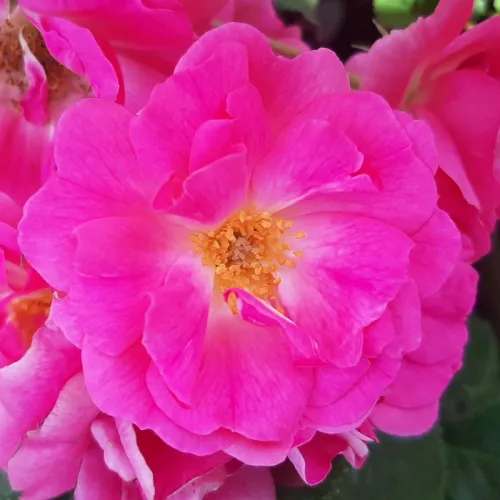
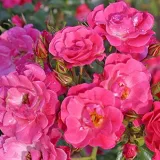
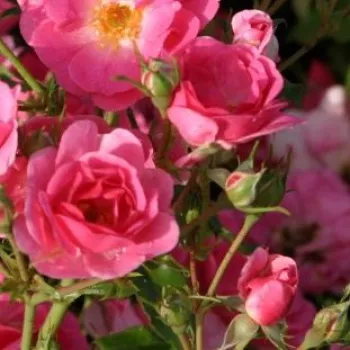
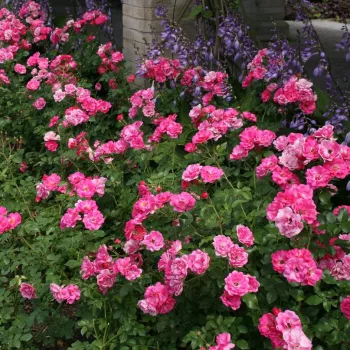
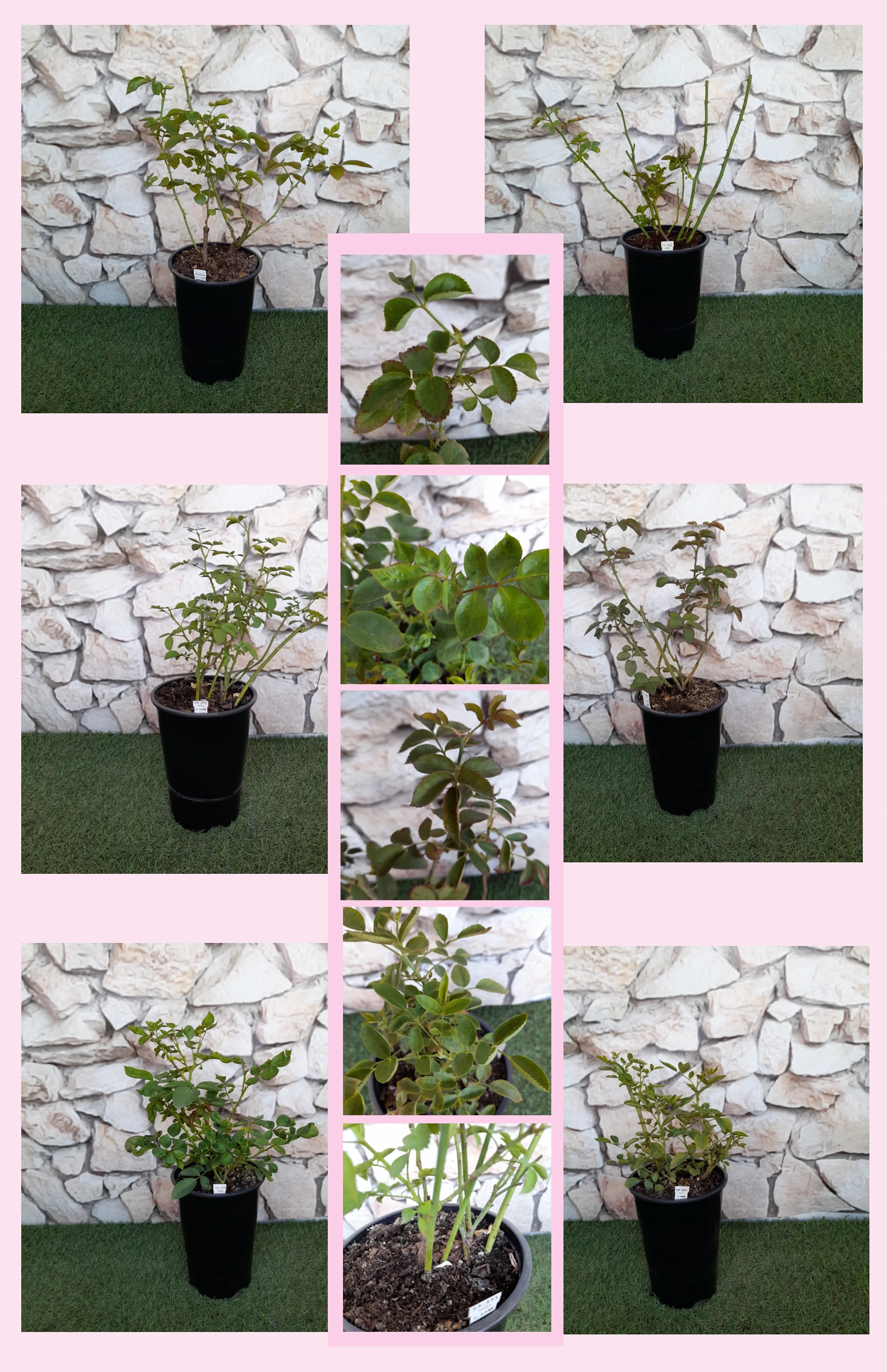
This compact floribunda brings an instantly romantic, storybook cottage feel to family gardens, covering itself in clusters of vivid carmine-pink blooms from early summer well into autumn. Its bushy, rounded habit (around 50–75 cm) is naturally tidy, so it fits easily into smaller borders, front-of-bed planting and even larger containers for patios or courtyards. Bred by Kordes with ADR-level health, it offers excellent disease resistance, coping reliably even in typical British humidity and blustery, coastal weather when given reasonable drainage. The foliage is dense and glossy dark green, creating a strong backdrop that keeps beds looking full and orderly even between flushes. As an own-root plant, it builds strength steadily and can regenerate from the base, giving long-term longevity with fewer worries about suckers or re-grafting. Over time you see a natural progression – strong roots in the first year, more generous shoots in the second, and by the third year a fully developed display that anchors your planting scheme. Low-maintenance by design, it suits busy gardeners who still want a feeling of abundance around a seating area, path or kitchen-garden edge.
Usage options
| Target area |
Reasoning |
| Small cottage-style front garden border |
The compact, bushy form stays around 50–75 cm, making it easy to place under windows or along paths without overwhelming the space. Clusters of carmine-pink flowers read clearly from the street, providing a welcoming, storybook look with little shaping required – ideal for the busy homeowner. |
| Mixed cottage bed with perennials and herbs |
Its rounded habit and dense, glossy foliage give reliable structure among looser perennials, helping the border look full even when other plants are between peaks. Semi-double blooms repeat well through the season, so there is always colour threading through herbs and cottage favourites – perfect for the romantic gardener. |
| Family seating area or “afternoon tea” corner |
Regular repeat flowering creates a long season of colour around benches, arbours or a small pergola, setting a cosy, afternoon-tea atmosphere without demanding constant deadheading. The neutral fragrance avoids overpowering small spaces, giving gentle visual charm rather than intensity – suiting the comfort-seeking family. |
| Low-maintenance bedding or edging scheme |
The vigorous floribunda habit produces abundant clusters that quickly knit together, so beds fill out cleanly with minimal gaps. Once established, maintenance is largely limited to seasonal pruning and basic watering, delivering strong impact for modest effort – appreciated by the time-poor gardener. |
| Urban garden or streetside planting |
Selected and awarded for robustness, this rose tolerates urban conditions and air pollution well, staying presentable in front gardens or along driveways. Strong disease resistance keeps foliage clean under city humidity and restricted airflow, maintaining a neat look without complex spray regimes – supporting the eco-conscious resident. |
| Coastal or exposed suburban plots |
The dense, bushy structure anchors well in breezier sites, while resilient foliage and strong health help it cope with unsettled, wind-driven weather typical of many coastal gardens, provided the soil has reasonable drainage and is not waterlogged – reassuring for the coastal homeowner. |
| Large containers on patios or terraces |
Its modest height and rounded canopy suit substantial pots of at least 40–50 litres, where roots have room to develop. In containers it offers a long flowering season near doors or seating, with straightforward care: regular watering, feeding and light pruning to refresh growth – convenient for the balcony gardener. |
| Long-term, low-input rose feature |
As an own-root shrub, it is capable of regenerating from the base and does not depend on a graft union, supporting a longer life with stable ornamental value. Once settled, the plant’s simple care regime and dependable repeat flowering make it a quiet mainstay rather than a demanding diva – attractive to the practical planner. |
Styling ideas
- Kitchen-border charm – Underplant with chives, sage and low Alchemilla for a soft, productive cottage strip along a path – ideal for the home cook who loves informal bunches.
- Pink-hedge rhythm – Plant a loose row at 50 cm spacings with catmint and hardy geraniums weaving through to frame a lawn – for families wanting a gentle, storybook boundary.
- Tea-corner focus – Place two or three in large 50 litre containers flanking a bench, with lavender at their feet, to create a simple afternoon-tea nook – perfect for relaxed weekend sitters.
- Urban-romantic bed – Combine with Heuchera and ornamental grasses for a compact, low-care front garden that softens hard paving – suited to city dwellers seeking charm without fuss.
- Cottage-mosaic mix – Dot through a mixed border with foxgloves and campanulas so the carmine-pink clusters link taller spires and lower edging plants – for gardeners who enjoy layered, painterly planting.
Technical cultivar profile
| Parameter |
Data |
| Name and registration |
Floribunda bed rose, exhibition shrub category; registered as KORselary, marketed as Bad Wörishofen ® Vigorosa® KORselary; ARS exhibition name Bad Wörishofen 2005, commemorating the spa town. |
| Origin and breeding |
Bred by W. Kordes’ Söhne in Germany and introduced in 2005. Parentage is unpublished; selected for bedding use with strong garden performance and reliable repeat flowering. |
| Awards and recognition |
Holds ADR certification for combined ornamental and health qualities. Awarded gold medals at Kortrijk in 2007 and Paris in 2008, confirming strong, tested garden value. |
| Growth and structural characteristics |
Bushy, shrub-like plant 50–75 cm high and wide, with dense branching and glossy dark green foliage. Moderately thorny stems; forms a rounded, compact mound suitable for bedding and edging. |
| Flower morphology |
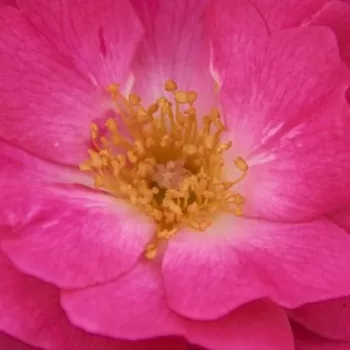
Semi-double, cupped blooms with 13–25 petals, medium sized at roughly 4–7 cm across. Flowers appear in clusters and repeat strongly, with a generous second flush after the first peak. |
| Colour data and phenology |
Vivid carmine-pink flowers, RHS 55B outer and 55C inner petals. Colour remains intense at full bloom, then lightens slightly to softer pink tones as flowers age, showing very good overall colour retention. |
| Fragrance and aroma |
Fragrance is very weak, essentially neutral in character, so it will not dominate small sitting areas. Semi-double to fuller blooms offer limited access to stamens and attract relatively few pollinators. |
| Hip characteristics |
Hip set is generally light due to the flower form; where present, small spherical hips 6–10 mm occur, coloured orange-red (RHS 34A), offering occasional late-season interest without heavy seeding. |
| Resistance and winter hardiness |
Rated H7 RHS, hardy to about –26 to –23 °C (USDA 5b, Swedish Zone 4). Shows resistance to black spot, powdery mildew and rust, giving clean foliage with minimal interventions in typical gardens. |
| Horticultural recommendations |
Low-maintenance rose for beds, hedging, parks, urban spaces, containers and cutting. Plant 50–90 cm apart depending on use; tolerates partial shade and moderate drought but appreciates watering in long dry spells. |
Bad Wörishofen ® offers compact, bushy growth, season-long carmine-pink colour and proven disease resistance in a durable own-root form that rewards patient gardeners with years of dependable cottage-garden charm, making it a thoughtful choice for your next planting.