BAD BIRNBACH ® – pink bedding floribunda rose - Kordes
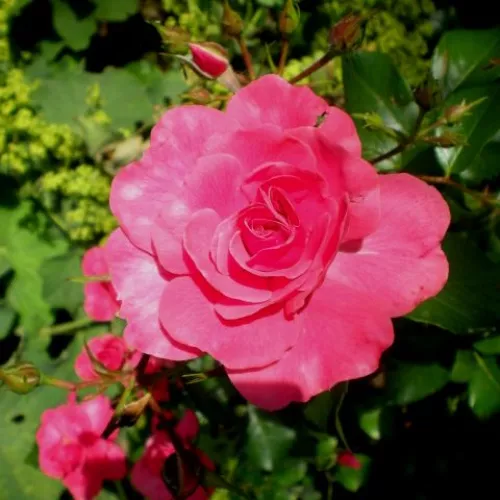
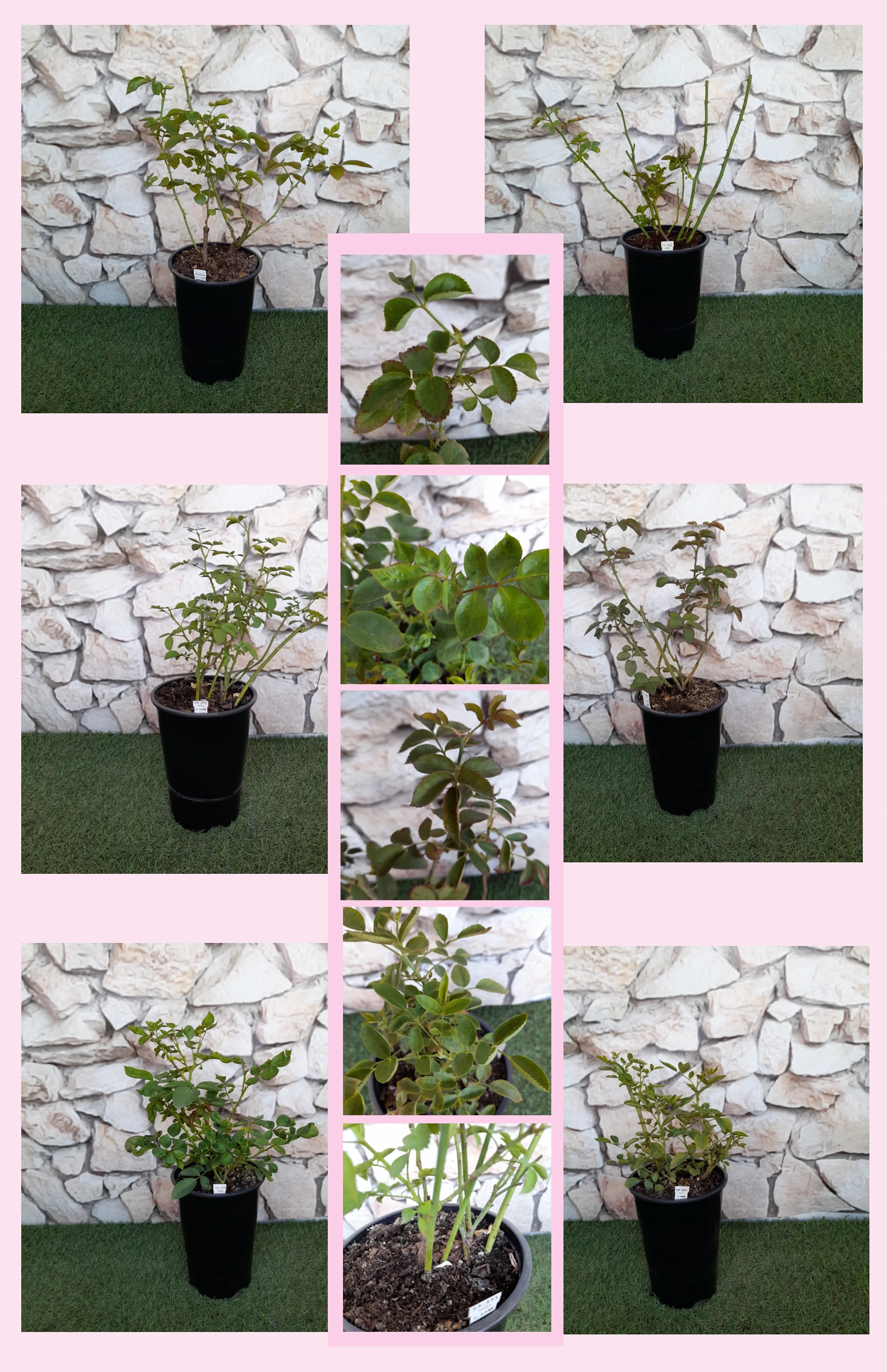
Warm salmon-pink clusters, neat growth and a quietly reliable nature make BAD BIRNBACH ® an inviting choice for cottage-style borders and relaxed family gardens, even where summers are breezy and the soil stays heavy after rain. This compact floribunda builds a low, bushy structure that slips easily into mixed beds, pathsides and the front of hedges, giving a soft, romantic carpet of colour from early summer onwards. Bred for resilience with ADR-recognised sturdiness, it offers steady repeat flowering without elaborate spraying routines. As an own-root plant it develops strongly from the base, helping it to regenerate after pruning and live on for years with stable ornamental value. Flower clusters open semi-double, allowing occasional access for visiting bees and adding a gentle, informal look beside herbs, lavender and vegetables in a kitchen garden setting. In its first seasons it concentrates on building roots, then stronger shoots, before reaching its full storybook presence and dependable abundance of bloom within a few years. Suitable for beds, edges and generous containers, this is a rose that quietly supports an atmosphere of afternoon-tea cosiness beneath arbours and pergolas.
Usage options
| Target area | Reasoning |
|---|
| Front-of-border cottage bed |
The compact, bushy habit stays around 40–60 cm, creating a coherent low layer that anchors looser perennials without blocking views. It builds up steadily over the first seasons, then holds its rounded outline with minimal corrective pruning, which suits beginners. |
| Continuous flowering bed edging |
Clustered semi-double blooms repeat generously through the season, forming a soft salmon-pink edging along paths and lawn lines. Once established, light annual trimming and the option to skip meticulous deadheading make it a realistic choice for busy gardeners. |
| Low-maintenance family rose border |
ADR-level health and only moderate disease pressure mean routine checks and basic hygiene are usually enough, rather than regular spraying schedules. This keeps rose growing achievable in everyday family gardens for time-poor homeowners. |
| Small garden with partial shade |
The variety tolerates some shade, so it can be planted where houses, fences or fruit trees cast light shade for part of the day. This flexibility helps soften awkward corners and side returns that many compact suburban plots present to urbanites. |
| Traditional cottage-style planting with perennials |
The warm salmon-pink tones blend naturally with daisies, campanulas and airy verbena, giving a relaxed English-countryside feel. Its moderate height and bushy outline prevent gaps while still letting companion plants weave through for romantics. |
| Durable own-root planting for long-term borders |
As an own-root rose, it forms multiple basal shoots rather than relying on a graft, so if stems are cut back hard by weather or pruning it regrows true to type. This underlying resilience supports long-lived, low-fuss plantings for planners. |
| Large containers on patios or terraces |
The naturally compact, rounded habit suits big pots of at least 40–50 litres, where the root system has space to stabilise and cope better with drying and heat. In such containers it offers a tidy, long-season focal point for balconists. |
| Informal groundcover in small parks or front gardens |
Planted in groups at the recommended spacing, plants knit into a low, flowering canopy that suppresses some weeds and softens open soil, even in exposed, wind-prone spots with heavier ground. This let-it-knit approach appeals strongly to pragmatists. |
Styling ideas
- Cottage-Ribbon Edge – run a curving line of BAD BIRNBACH ® along a lawn, underplanting with low catmint for a soft pink-and-blue haze – ideal for homeowners wanting a traditional frame to family lawns.
- Kitchen-Garden Charm – plant in blocks beside herbs, runner beans and wigwams of sweet peas, using its tidy habit to neaten the productive plot – for cooks who like their vegetable garden to look romantic as well as useful.
- Pastel Arbour Approach – use a pair in wide containers to mark the entrance to a rose-covered arch, echoing the climbing rose colour in a lower tier – for small-garden owners creating an afternoon tea corner.
- Soft Street-Facing Border – combine with oxeye daisies and campanulas in a narrow front bed, giving a welcoming yet easy-care look that copes with passing traffic – suited to busy households on residential streets.
- Family Seating Nook – group three plants near a bench or swing seat, surrounding them with fragrant herbs so the low pink canopy feels enclosing, not overpowering – perfect for families seeking a gentle, storybook retreat.
Technical cultivar profile
| Characteristic | Data |
|---|
| Name and registration |
BAD BIRNBACH ® (KORpancom), floribunda bed rose from the Kordes' Klima-Rosen® collection; ARS exhibition name Bad Birnbach, registered under German plant variety protection ROS 1808. |
| Origin and breeding |
Bred by Reimer Kordes (W. Kordes’ Söhne, Germany) from ‘Weisse Immensee’ × ‘Bella Rosa’; bred in 1983, registered 1998, introduced 1999 through W. Kordes’ Söhne. |
| Awards and recognition |
ADR rose award in 2000 for garden performance; silver medal Madrid 1999; Australian Certificate of Merit 2001, confirming reliable ornamental value in varied climates. |
| Growth and structural characteristics |
Compact, bushy shrub around 40–60 cm high and wide, with dense, dark green, glossy foliage and moderate prickles; well suited to bedding, edging, low hedges and container culture. |
| Flower morphology |
Medium-sized, semi-double, flat flowers with 13–25 petals, borne in clusters; remontant with a notably generous second flush, maintaining colour presence across the main season. |
| Colour data and phenology |
Warm salmon-pink to pastel pink blooms, RHS 38C–38D, buds deeper then lightening; colour softens in strong sun and deepens slightly in cooler spells, giving gentle tonal variation. |
| Fragrance and aroma |
Fragrance is very weak and barely noticeable, so it is chosen primarily for colour and habit rather than scent; semi-double form offers some visual lightness compared with very full blooms. |
| Hip characteristics |
Produces a moderate quantity of small, spherical red hips around 6–10 mm across; decorative in autumn and indicating good pollination, but usually not the main focus of plantings. |
| Resistance and winter hardiness |
Rated H7, hardy to approximately −26 to −23 °C, USDA Zone 5b and Swedish Zone 4; moderate resistance to black spot, mildew and rust, with good heat tolerance in summer conditions. |
| Horticultural recommendations |
Suitable for beds, groundcover, edging, containers and small parks; plant 40–45 cm apart in groups, allow 75 cm for solitary plants; medium maintenance with occasional plant protection if needed. |
BAD BIRNBACH ® offers compact structure, generous repeat flowering and resilient own-root growth, making it a practical long-term choice for relaxed cottage-style borders and patios; consider it if you want dependable colour without complex care.