Ausorts – pink English climbing rose for romantic arches
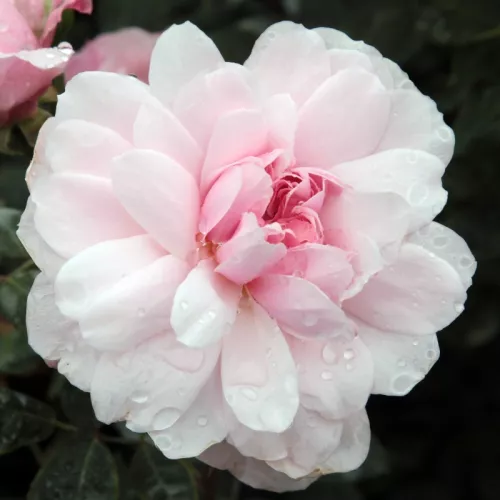
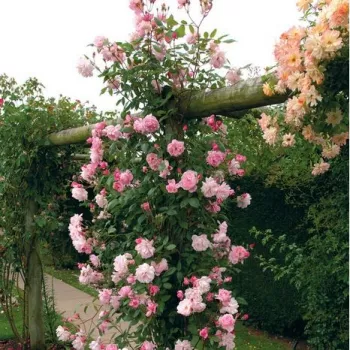
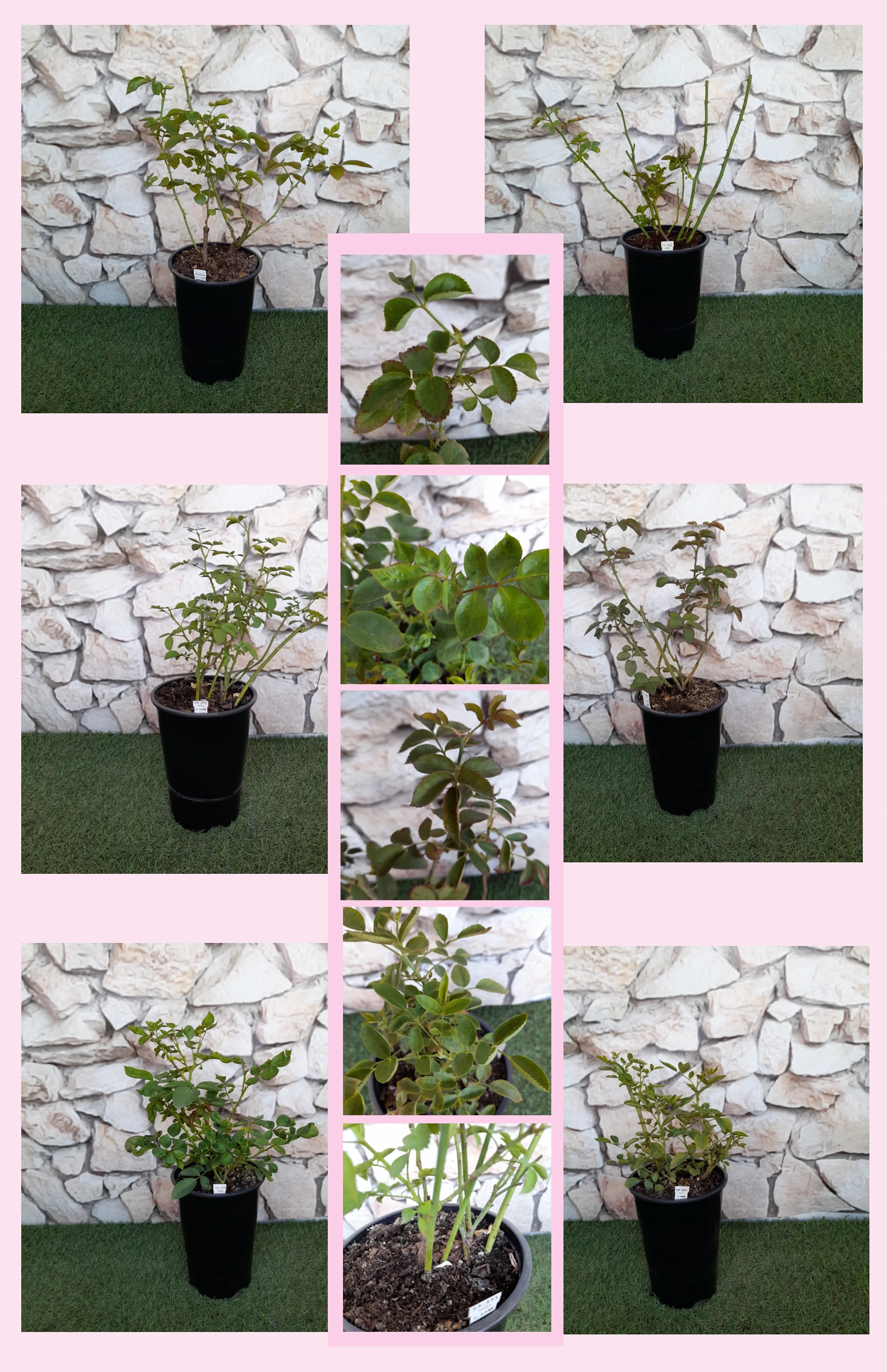
Let Ausorts transform a simple arch or fence into a scene of afternoon tea under a rose-draped arbour, its clusters of soft pink blooms and medium, fruity fragrance creating a gentle, storybook ambience. This English climbing rose from the David Austin stable remains beautifully manageable, with flexible, lightly thorned canes that are easy to train along pergolas and over gateways, even in smaller family gardens exposed to brisk coastal weather and frequent showers. The 2‑litre own‑root plant establishes reliably, building a long‑lived framework that can regenerate from the base and maintain stable ornamental value with only modest seasonal pruning. Over time you will notice a natural progression – first stronger rooting, then more confident new shoots, and by around the third year a fuller wall of blossom and foliage that suits cottage borders, kitchen‑garden paths and informal seating areas alike. Its remontant habit means that, once settled, you can enjoy repeat flowering through summer with simple deadheading, making Ausorts an easy choice for those seeking romantic simplicity without complicated gardening routines.
Usage options
| Target area | Reasoning |
|---|
| Arch or arbour over a garden path |
Ausorts is ideal for training over arches, providing a curtain of soft pink, medium-sized, very double blooms and a gentle fruity scent that evokes relaxed afternoon tea in the garden, particularly appealing to romantic homeowners |
| Small pergola beside a terrace or patio |
The upright, flexible growth habit and moderate spread allow Ausorts to clothe a compact pergola without overwhelming the space, giving filtered shade and a cosy, storybook feel for outdoor seating that suits busy family gardeners |
| Fence or boundary in an average-sized garden |
Its 2–3 m height and 1.3–2 m spread make Ausorts practical for softening fences, while own-root durability and the ability to regrow from the base help maintain a long-lived, attractive barrier for practical homeowners |
| Cottage-style mixed border with shrubs and perennials |
Clustered, repeat-flowering pink blooms blend well with lavender, catmint and country-style perennials, creating a traditional cottage border that stays visually coherent from year to year for cottage-garden lovers |
| Rural kitchen garden entrance or gateway |
Trained over a simple wooden frame, Ausorts frames vegetable plots with nostalgic colour and scent, giving a welcoming, old-fashioned garden feel that complements productive spaces for rural kitchen gardeners |
| Partially shaded side path or house wall |
Suitable for partial shade, Ausorts can brighten less-sunny walls or alleys with pale pink, cupped blooms, bringing softness and height where many shrubs struggle, particularly useful for townhouse gardeners |
| Large container or half barrel by a doorway |
When planted in a 40–50 litre or larger container with a trellis, Ausorts offers climbing colour in paved or courtyard spaces, making long-lived rose enjoyment possible even without open borders for balcony and patio owners |
| Sheltered, wind-exposed coastal garden corner |
With sturdy, trainable canes and own-root anchoring, Ausorts copes well when tied to supports in breezier gardens, keeping its romantic look even in changeable, rain-swept conditions valued by coastal property owners |
Styling ideas
- Rosewalk – Train Ausorts along a series of simple arches over a mown path, underplanting with lavender and catmint for soft colour and fragrance – ideal for cottage-garden admirers
- Kitchen-porch – Grow it over a timber frame by the back door, pairing with pots of herbs to link ornamental roses and everyday cooking – perfect for rural kitchen gardeners
- Tea-corner – Use Ausorts on a compact pergola shading a bistro set, with soft-pink and white perennials at its feet – suited to homeowners creating a cosy afternoon-tea nook
- Soft-screen – Cover a functional fence with its flexible canes, interplanting with climbing hydrangea for extended seasonal texture – attractive for families wanting gentle privacy
- Court-yard – Plant it in a 50 litre half barrel with an obelisk, surrounding with gravel and terracotta for a low-maintenance, romantic courtyard look – good for busy urban gardeners
Technical cultivar profile
| Property | Data |
|---|
| Name and registration |
Ausorts, English Rose climbing shrub; ARS exhibition name ‘Mortimer Sackler’; English Rose Collection; registered 2002, commercial English rose type for garden use. |
| Origin and breeding |
Bred by David C. H. Austin (UK) from ‘Lilian Austin’ × unknown seedling; introduced and initially distributed by David Austin Roses Ltd in 2002 as an English climbing rose. |
| Awards and recognition |
RHS Award of Garden Merit (2012) confirming dependable ornamental performance; Silver Medal at Gifu Rose Trials (2005) for quality in international comparative trials. |
| Growth and structural characteristics |
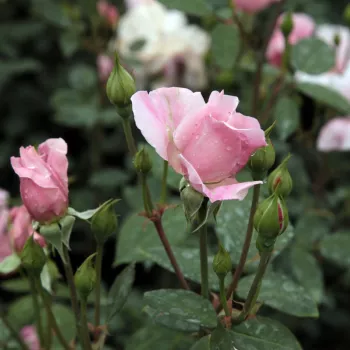
Vigorous upright climber with flexible arching shoots; height 200–300 cm, spread 130–200 cm; moderately dense dark green foliage; lightly thorned stems; needs support and tying. |
| Flower morphology |
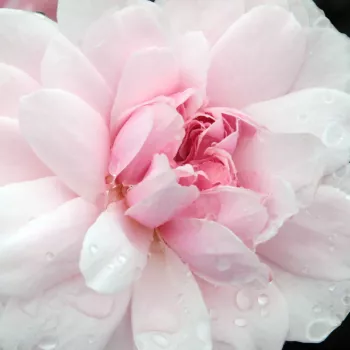
Medium-sized, cupped, very double blooms with 40+ petals in clustered trusses; remontant with abundant second flush; moderate self-cleaning so light deadheading improves appearance. |
| Colour data and phenology |
Delicate light pink; buds pale pink, slightly darker at tips; blooms soften as they open, with paler outer petals and gradual fading in strong sun to whitish-pink edges over time. |
| Fragrance and aroma |
Medium-strength, well-scented flowers combining softly fruity notes with an old-fashioned rosy character; fragrance is noticeable around seating areas without being overpowering. |
| Hip characteristics |
Occasional ellipsoid red–orange hips, 8–13 mm across; modest decorative value and generally secondary to the display of repeat-flowering, very double pink blooms in the season. |
| Resistance and winter hardiness |
Hardy to approximately −26 to −23 °C (RHS H7, Swedish Zone 4, USDA 5b); disease resistance moderate to weak, with susceptibility to rust and some mildew and black spot. |
| Horticultural recommendations |
Best trained on arches, pergolas, fences or as a specimen climber; prefers good drainage and regular watering in dry spells; requires regular plant protection and routine deadheading. |
Ausorts offers romantic repeat flowering, trainable climbing growth and long-lived, regenerating own-root reliability, making it a cultured choice for creating a soft pink focal point in your garden if you wish to plant now with confidence.