Mary Rose – English shrub rose for romantic cottage borders
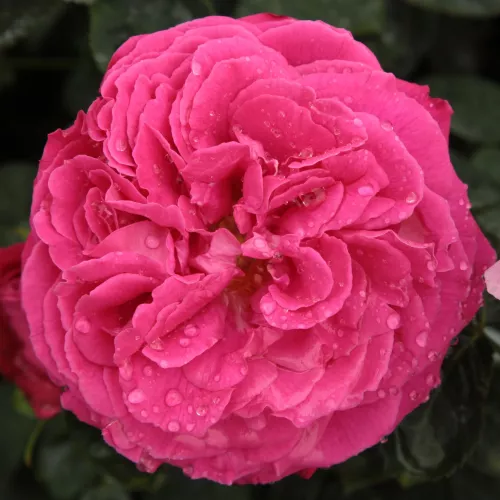
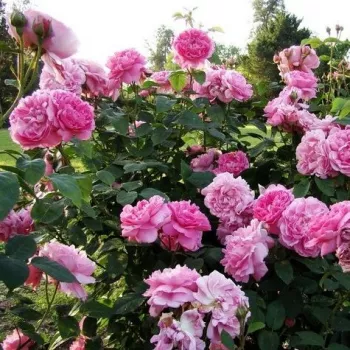
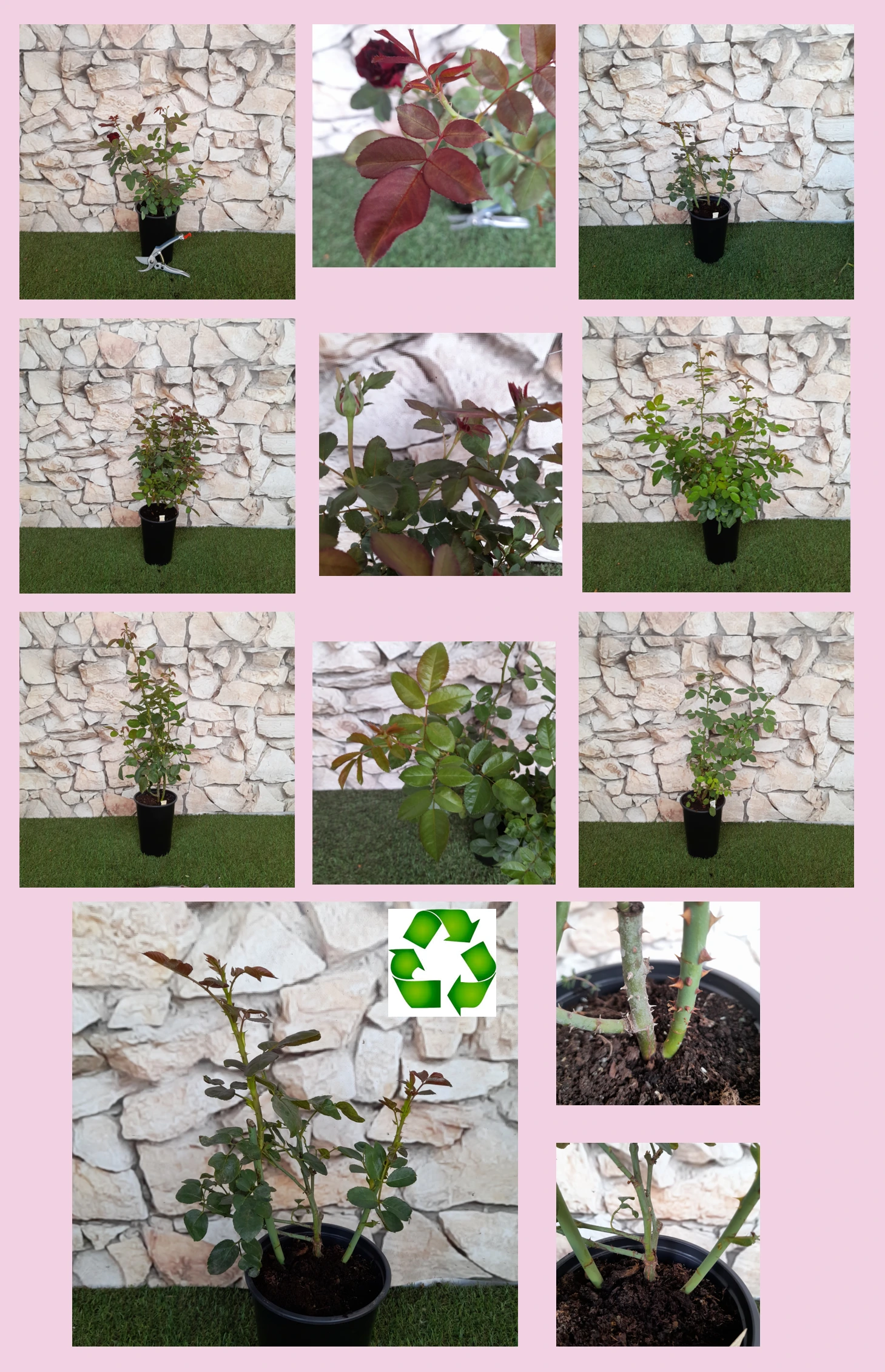
Settle into the romantic charm of ‘Mary Rose’, a classically shaped English shrub rose that fills family gardens with softly pink, cupped rosettes and a strong, honey-fruity fragrance. This bushy, medium-tall rose flowers repeatedly from early summer, creating a storybook feel that suits hedges, mixed borders and containers alike, even where light levels are gentle and partially shaded. Supplied as a 2-litre own-root plant, it establishes steadily and offers reassuring long-term stability, regenerating well from the base and building a dependable framework for many years of colour. Over time you can enjoy the natural rhythm of roots, then shoots, then full garden presence, as the plant settles and blends into a traditional cottage setting. With thoughtful planting in well-prepared soil, it anchors itself securely and copes gracefully with breezier plots and frequent showers near the coast, remaining a practical, medium-care choice for busy households.
Usage options
| Target area |
Reasoning |
| Primary rose border in a family garden |
The bushy, medium-height habit and repeat flowering make ‘Mary Rose’ an excellent backbone for a main rose border, giving reliable colour through summer with only moderate deadheading and simple winter pruning – ideal for hobby gardeners |
| Romantic flowering hedge along a path or boundary |
Planted at the suggested hedge spacing, the dense, mid-green foliage and clustered rosette blooms knit into a soft, traditional barrier that feels secure yet welcoming, suiting front gardens and side paths for family homeowners |
| Large container or half-barrel near a seating area |
In a substantial 40–50 litre container, its upright, bushy shape and strong scent are lifted to nose height, bringing the pleasure of fragrant, cottage-style flowers to patios and small urban plots for balcony and terrace owners |
| Mixed cottage border with perennials and herbs |
The warm mid-pink flowers blend beautifully with catmint, baby’s breath and light-toned coneflowers, creating layered, gently informal planting that looks full without complex design work for lovers of cottage gardens |
| Partially shaded corner with morning or late-afternoon sun |
This variety tolerates partial shade, so it will still flower and maintain a good shrub outline where sun is limited, helping to brighten awkward side gardens and north-east aspects for busy urban gardeners |
| Coastal or wind-exposed plot with reasonable soil |
Once established, the robust shrub structure and own-root anchoring help it stand steadily in everyday wind and rain, coping well where breezes are regular and showers frequent for gardeners in breezy regions |
| Long-term feature shrub in a traditional front garden |
As an own-root plant, ‘Mary Rose’ matures into a durable, replace-the-shrub-once type of planting, recovering well from harder pruning and maintaining ornamental value over many seasons for homeowners seeking longevity |
| Low-maintenance focal point near a kitchen or back door |
The strong, honey-fruity scent and generous second flush mean you can enjoy repeated waves of bloom with only basic care such as occasional feeding, watering in dry spells and light deadheading for time-poor beginners |
Styling ideas
- Cottage Hedge Walk – Line a narrow garden path with ‘Mary Rose’ at hedge spacing, underplanting with low catmint to soften the base and create a scented tunnel – perfect for families who enjoy evening strolls.
- Kitchen-Garden Accent – Position a single shrub near raised vegetable beds, pairing it with airy baby’s breath and herbs to link productive and ornamental areas – ideal for home growers who favour traditional plots.
- Patio Rose Retreat – Grow one plant in a 50 litre half-barrel by a bench, adding trailing thyme and soft grasses around the rim for texture – suited to small-space owners wanting a calm, fragrant corner.
- Storybook Front Border – Combine ‘Mary Rose’ with pastel perennials and clipped box or low yew for structure, giving an instantly classic frontage – appealing to those aiming for a timeless village-garden feel.
- Part-Shade Sanctuary – Use this rose in a lightly shaded side bed with ferns, hostas and pale foxgloves so the pink blooms emerge from a cool green backdrop – for gardeners turning tricky aspects into restful spaces.
Technical cultivar profile
| Parameter |
Data |
| Name and registration |
English shrub rose from the English Rose Collection; registered cultivar name AUSmary, commonly traded as Mary Rose; belongs to the Romantic rose commercial group and shrub exhibition category. |
| Origin and breeding |
Bred by David C. H. Austin in the United Kingdom from ‘Wife of Bath’ × ‘The Miller’; introduced and registered in 1983 by David Austin Roses Ltd for garden and landscape use. |
| Awards and recognition |
Holds the RHS Award of Garden Merit (1993), confirming dependable performance, ornamental value and general garden worth under typical UK conditions when grown with reasonable care. |
| Growth and structural characteristics |
Bushy shrub 110–170 cm tall and 90–130 cm wide with moderately dense, mid-green glossy foliage and moderate thorns; self-cleaning is partial, so some deadheading improves tidiness and repeat bloom. |
| Flower morphology |
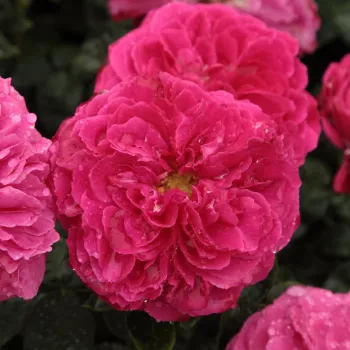
Very full, double, rosette-shaped blooms with over 40 petals, usually borne in clusters; large-flowered type with good repeat, giving a generous second flush after the main early-summer flowering. |
| Colour data and phenology |
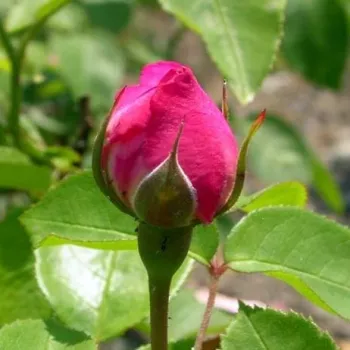
Even, warm mid-pink overall; buds open from darker pink to medium, then fade to soft pink with slightly paler inner petals and edges; colour retention is moderate, giving gentle, natural-looking weathering. |
| Fragrance and aroma |
Strong, distinctive scent with honey-fruity tones over a classic rosy base; primarily selected as an ornamental garden rose, with very double flowers that generally conceal stamens and nectar from pollinators. |
| Hip characteristics |
Hip formation is limited due to very double flowers; occasionally produces small orange, bottle-shaped hips around 18–26 mm in diameter, which add discreet late-season interest without heavy seeding. |
| Resistance and winter hardiness |
Hardy to approximately −26 to −23 °C (RHS H7, USDA 5b); good black spot resistance with moderate susceptibility to powdery mildew and rust; tolerates heat if watered during prolonged dry periods. |
| Horticultural recommendations |
Suited to beds, hedges, containers and specimen use; plant about 1 m apart in beds or 85 cm for hedges, in fertile, well-drained soil; needs occasional plant protection and shelter from late spring frosts. |
Mary Rose offers fragrant repeat flowering, a bushy, versatile shrub form and long-lived own-root resilience, making it a thoughtful choice for gardeners seeking enduring cottage-garden charm.