AUSCANARY – yellow climbing rose - Austin
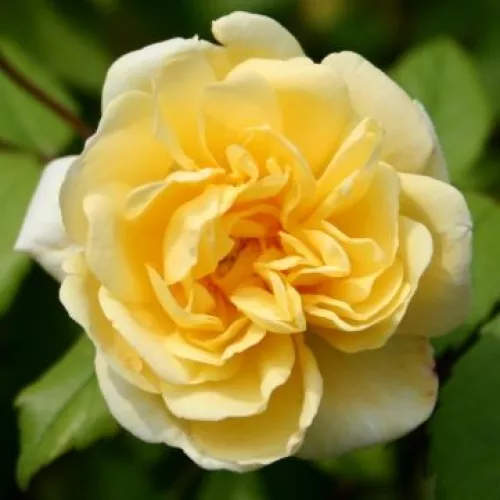
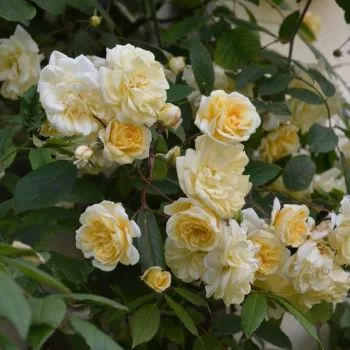
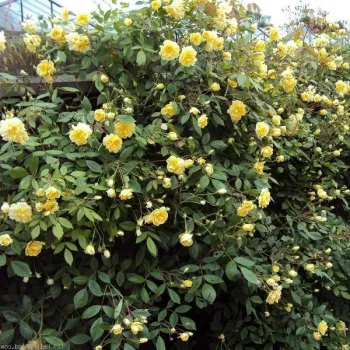
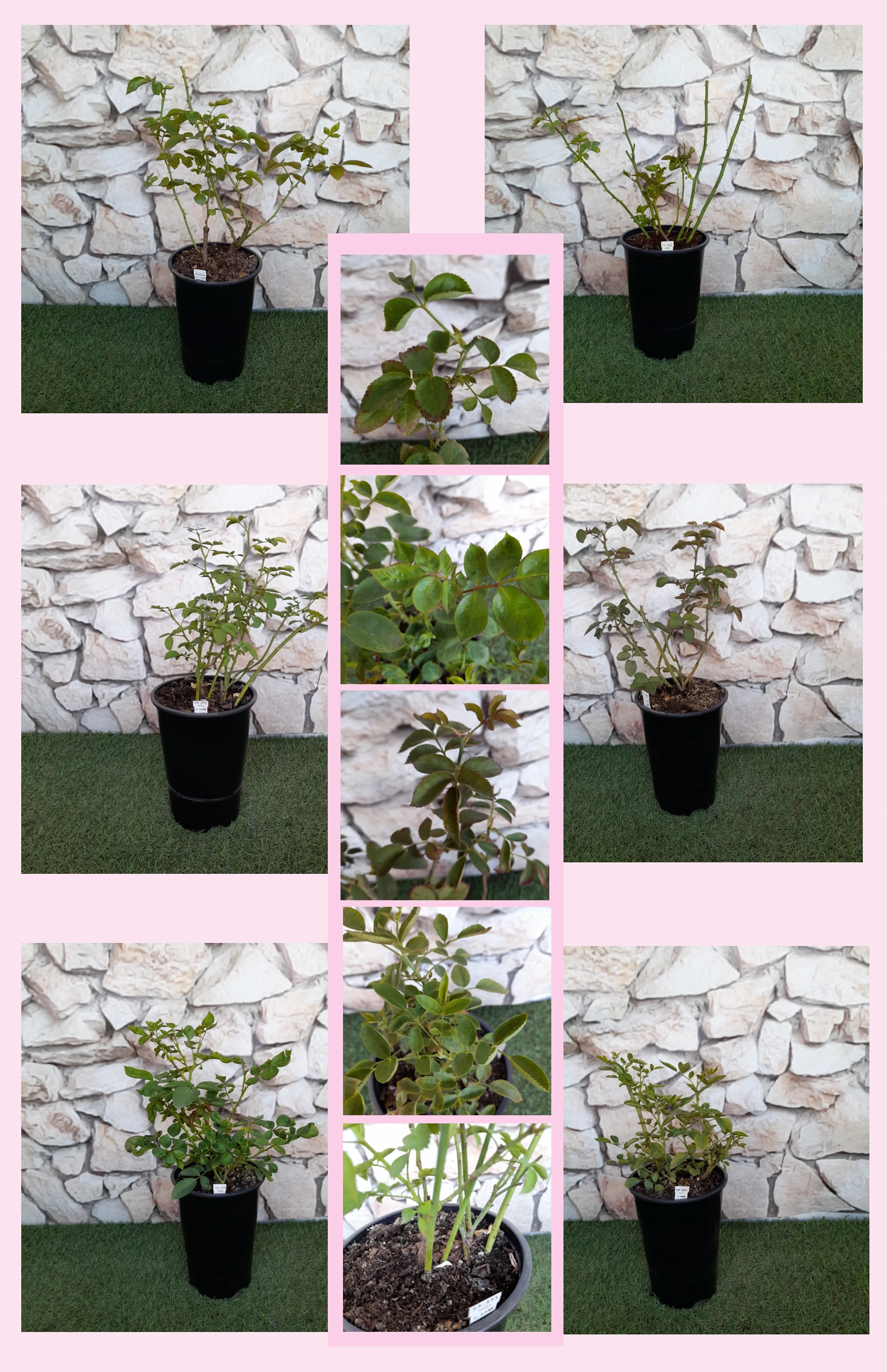
This romantic English climbing rose wraps arbours and pergolas in cascades of soft yellow blossom, perfect for relaxed afternoon tea moments in your own garden. Its clusters of rosette blooms open a clear, sunlit lemon before ageing to a creamy pastel, creating a gentle, storybook cottage look from early summer onwards. On its own roots it builds a stable, long-lived framework that can quietly regenerate after pruning or weather setbacks, so you keep a reliable display year after year without complicated know-how. In typical British conditions it copes well with windswept sites by anchoring firmly into the soil, ideal for exposed pergolas or arches. Over time you will see strong growth and firm canes reaching up to 4–5 metres, clothing walls, fences and entrances with dense, medium green foliage. The medium-sized, cup-shaped blooms are borne in generous clusters, making even narrow vertical spaces appear full and inviting. A mild, muscat-like fragrance adds a light, summery note without overwhelming nearby seating or windows. Planted as a young, container-grown rose, roots establish first, then shoots extend, and by the third season you enjoy its full ornamental impact within a traditional family-garden setting.
Usage options
| Target area |
Reasoning |
| Pergola over a seating or afternoon tea area |
Dense growth and climbing canes up to 4–5 metres naturally drape a pergola, creating gentle shade, privacy and a romantic, English-tea ambience with soft yellow clusters at eye level for beginners. |
| Garden arch framing a path or entrance |
Medium-sized, clustered flowers repeat through the season, so arches remain welcoming and flowered for much of summer, guiding the eye and giving smaller family gardens a classic storybook focal point for homeowners. |
| Clothed fence in a family back garden |
Its vigorous vertical habit and 80–140 cm spread help transform plain fencing into a green, flowered backdrop that feels enclosed yet airy, ideal for children’s play spaces and relaxed, low-fuss outdoor rooms for families. |
| Warm, sheltered house wall |
On its own roots the plant gradually forms a durable, woody framework along walls, with good winter hardiness providing long service life and reliable cover, suiting those planning long-term garden structure for planners. |
| Raised bed on heavier or stickier soils |
In raised beds the roots anchor well and handle typical British wet spells and breezier spots, so the tall framework remains stable while foliage and flowers are lifted above splashing rain for urban-gardeners. |
| Large container by a patio or courtyard |
In a 40–50 litre or larger container, it can be trained up an obelisk or slim trellis, bringing cottage-garden charm to paved spaces while remaining movable and manageable for those short on permanent borders for renters. |
| Romantic cottage-style mixed border backdrop |
Medium-green, glossy foliage and pastel yellow blooms blend gently with perennials and herbs, providing a soft vertical screen that supports an English countryside palette without overpowering smaller planting schemes for stylists. |
| Feature plant in a traditional kitchen garden |
Used as a solitary specimen on a stout support, it gives a hint of ornament among productive beds; the mild, sweet scent and occasional decorative hips contribute seasonal interest around working garden spaces for enthusiasts. |
Styling ideas
- Pastel Archway – Train up a metal or wooden arch with soft yellow clusters, underplanting with lavender and white campanulas for a dreamy, wedding-photo entrance – ideal for romantic traditionalists.
- Kitchen Corner – Let it climb a rustic trellis by raised vegetable beds, with chives and cottage pinks at the base to echo the soft yellow petals – perfect for rural kitchen gardeners.
- Pergola Parlour – Drape canes over a timber pergola above bistro furniture, adding pots of scented herbs and soft cushions to create a relaxed afternoon tea nook – suited to busy homeowners.
- Cottage Screen – Use along a boundary with bearded irises and feather reed grass at the front, giving movement and layered texture in front of a flowering green wall – good for small-plot gardeners.
- Courtyard Column – In a large 50-litre container, spiral the stems around an obelisk, teamed with terracotta pots of thyme and sage for an intimate, Mediterranean-flavoured courtyard corner – ideal for balcony and patio users.
Technical cultivar profile
| Parameter |
Data |
| Name and registration |
Climbing English Rose cultivar, group: Large-Flowered Climber. Registered cultivar name AUScanary; current trade name Malvern Hills (Auscanary), classified as an exhibition climbing rose. |
| Origin and breeding |
Bred by David C. H. Austin, United Kingdom, from unnamed seedlings; introduced and registered in 2000 by David Austin Roses Limited as part of the English Rose collection. |
| Awards and recognition |
Holds the RHS Award of Garden Merit, indicating reliable garden performance, good ornamental value and stable characteristics when grown under typical UK conditions and reasonable care. |
| Growth and structural characteristics |
Strong climbing habit reaching 300–500 cm in height with 80–140 cm spread, slightly thorny stems and dense, medium green, glossy foliage forming a substantial vertical framework over supports. |
| Flower morphology |
Medium-sized, double, cup-shaped flowers with 26–39 petals, borne in clusters. Remontant, with an initial strong flush followed by repeat flowering that is lighter in the second wave. |
| Colour data and phenology |
Soft, even butter-yellow blooms, ARS code dy, RHS 11C–11D. Buds open clear lemon yellow, ageing to pastel creamy yellow; outer petals gradually lighten and fade in strong sunlight over time. |
| Fragrance and aroma |
Mild, delicately sweet fragrance with a muscat-like character. Scent is noticeable at close range around seating or paths but remains subtle, not overpowering nearby windows or small patios. |
| Hip characteristics |
Double flowers produce hips only occasionally; small, ovoid red hips 8–13 mm in diameter, adding modest but attractive autumn interest when present among the remaining foliage and stems. |
| Resistance and winter hardiness |
Very sensitive to powdery mildew, black spot and rust, so regular protection is advisable. Hardy to approximately −26 to −23 °C, corresponding to RHS H7 and USDA Zone 5b, Swedish Zone 4. |
| Horticultural recommendations |
Suited to arches, pergolas, walls and fences as a solitary feature or at 140–150 cm spacing. Performs in full sun to partial shade; needs consistent watering in heat and attentive disease management. |
Malvern Hills (AUScanary) offers softly coloured clusters, vigorous climbing height and long-lived, regenerating performance on its own roots, making it a thoughtful choice for relaxed, romantic vertical structure in your garden.