Gertrude Jekyll – English shrub rose (AUSbord)
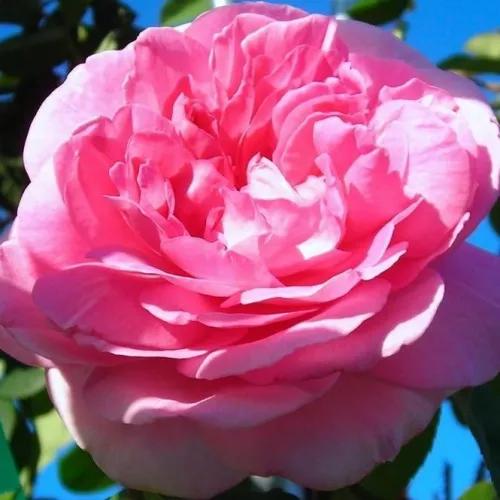
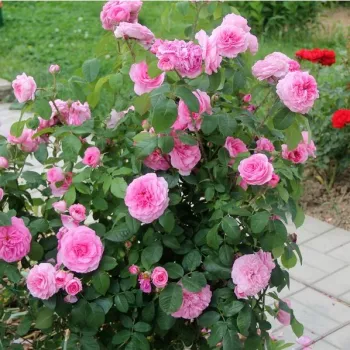
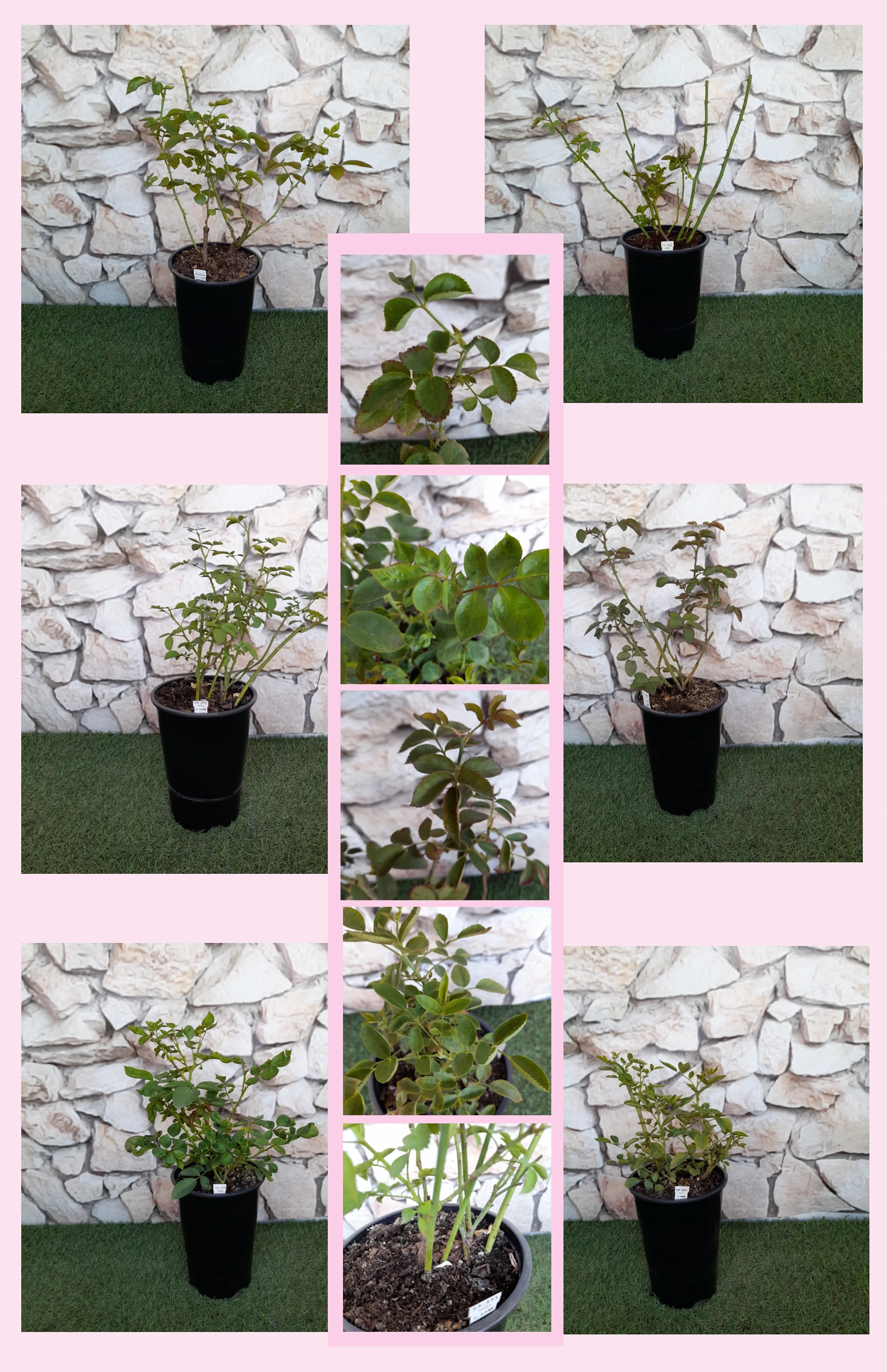
Imagine settling into an afternoon chair while fragrance drifts from a billowing pink shrub rose, its cupped rosettes glowing against foliage that stays handsomely dark and slightly glossy even in unsettled coastal winds and showers. This classic English shrub from David Austin brings a rich old-rose perfume and abundant, very double blooms from early summer onwards, reliably repeating in generous flushes for a cottage-style, storybook look. Supplied as a practical, own-root plant in a 2-litre container, it settles in steadily and, with sensible watering and simple deadheading, rewards you with a long-lived, well-anchored shrub that suits beds, paths, and hedging alike. In a typical family garden you will notice it rooting in and building strength in the first season, extending its framework of shoots and flower power in the second, and achieving its full, romantic ornamental presence by the third summer. Easy to establish in ordinary soil, including heavier clays improved with drainage, it is straightforward to care for and brings dependable colour, structure, and character to both small and medium-sized plots with minimal specialist knowledge.
Usage options
| Target area | Reasoning |
|---|
| Main cottage-style flower bed near the house |
The strong old-rose perfume and rich pink rosettes make this variety an ideal focal point beside patios or French doors, where you can appreciate its scent and repeat flowering each time you step outside; perfect for the romantic, cottage-inspired homeowner. |
| Informal flowering hedge along a boundary or path |
With an upright habit, dense foliage and good height, it forms a soft, traditional-looking hedge that screens views while staying in character with older homes and village gardens, suiting family buyers seeking privacy with charm. |
| Feature shrub in a mixed perennial border |
Its clear mid-pink colour and rosette blooms combine easily with classic perennials and herbs, giving structure through the season so that the border never looks bare, an advantage for the time-pressed gardener. |
| Large container on terrace or courtyard (40–60 litres) |
In a substantial container it becomes a portable focal point, ideal for rented homes or paved spaces; the own-root form copes well with periodic repotting and careful watering, appealing to busy urban residents. |
| Near seating for evening and weekend relaxation |
The extremely strong, far-carrying fragrance is best enjoyed close to benches or small lawns, making every cup of tea or evening conversation feel more atmospheric for scent-loving couples. |
| Traditional kitchen garden or potager border |
Planted among herbs and vegetables, its classic shrub shape and reliable repeat flowering lend a romantic backdrop to practical areas, well suited to those cultivating a productive yet pretty allotment. |
| Exposed or breezy spots in average UK gardens |
Firmly rooted as an own-root shrub, it stands up well once established, even where weather is changeable with brisk winds and frequent rain showers, giving reassurance to coastal and open-site gardeners. |
| Low-maintenance family border with flexible pruning |
It responds well to both light shaping and harder renewal pruning, so you can keep it generous and bushy or a little neater, fitting different levels of confidence and time among novice and experienced gardeners. |
Styling ideas
- Cottage-porch welcome – Plant on either side of a front path with lavender and nepeta for a softly scented approach to the door – for homeowners who love a traditional village-garden feel.
- Rosa-and-herbs border – Combine with rosemary, chives and sage along a kitchen-garden edge, letting the rich pink blooms rise behind edible foliage – for cooks who want beauty beside productivity.
- Romantic hedge line – Space plants closely as a flowering screen, underplanting with hardy geraniums to hide bare stems and extend colour – for families seeking privacy without hard fencing.
- Courtyard centrepiece – Grow one plant in a 50–60 litre terracotta pot with trailing thyme around the rim for movable scent and colour – for urban gardeners working with paved terraces.
- Evening-scent corner – Cluster two or three plants near a bench and pair with white foxgloves and campanulas so the perfume and pale companions glow at dusk – for those who unwind outdoors after work.
Technical cultivar profile
| Parameter | Data |
|---|
| Name and registration |
Gertrude Jekyll (AUSbord), English shrub rose from the English Rose Collection; registered as AUSbord and exhibited as a shrub rose under the English Rose commercial type. |
| Origin and breeding |
Bred by David C. H. Austin, United Kingdom, from ‘Wife of Bath’ × ‘Comte de Chambord’; introduced by David Austin Roses Ltd. in 1986 and later registered in the United States. |
| Awards and recognition |
Holds the RHS Award of Garden Merit, the James Mason Award, The Nation’s Favourite Rose public vote, and the World Federation of Rose Societies’ World’s Favourite Rose title. |
| Growth and structural characteristics |
Upright shrub reaching around 100–150 cm in height and 80–130 cm in spread, densely furnished with slightly glossy dark green foliage and notably prickly, well-branched stems. |
| Flower morphology |
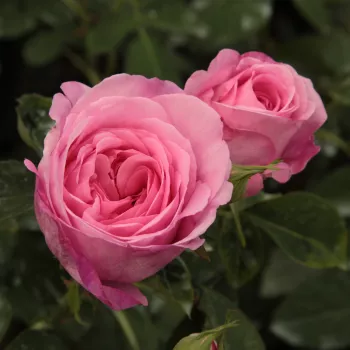
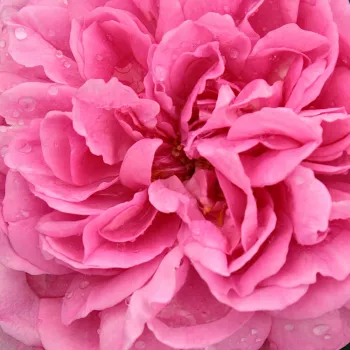
Bears very double, XL-sized rosette flowers, usually solitary on the stem, with over 40 petals; remontant, producing a strong first flush and an equally generous second flowering period. |
| Colour data and phenology |
Displays bright, clear mid-pink blooms that deepen toward the centre, lightening slightly in strong sun and cooling to softer pink with pale-edged petals as each individual flower ages. |
| Fragrance and aroma |
Strongly perfumed with a rich, classic old-rose character; the scent is powerful and far-reaching, making it particularly suitable for planting near frequently used paths, doors and seating. |
| Hip characteristics |
Due to its very double blooms, hip formation is limited; occasionally small, spherical, orange-red hips around 8–14 mm in diameter may develop late in the season on un-deadheaded stems. |
| Resistance and winter hardiness |
Hardy to approximately –26 to –23 °C (RHS H7; USDA 5b), with moderate general disease resistance, good black spot tolerance, and moderate susceptibility to powdery mildew and rust. |
| Horticultural recommendations |
Suited to beds, hedges, specimens and cutting; plant 70–140 cm apart, water well in dry spells, and deadhead weakly self-cleaning blooms to prolong flowering and maintain a tidy display. |
Gertrude Jekyll (AUSbord) offers powerful fragrance, generous repeat flowering and dependable shrub structure on a durable own-root plant; a thoughtful choice for those seeking long-lived romance in an everyday garden.