ATLAS™ – white-pink hybrid tea rose – Delbard-Chabert
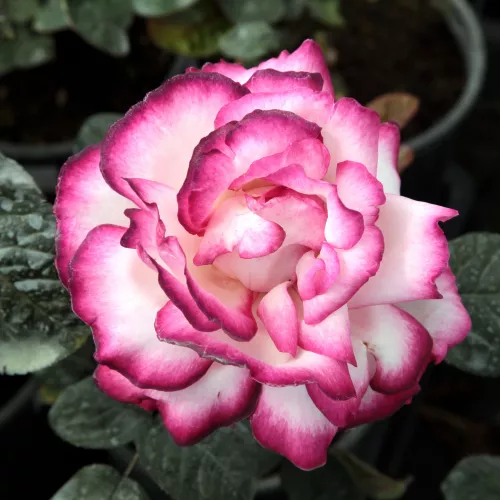
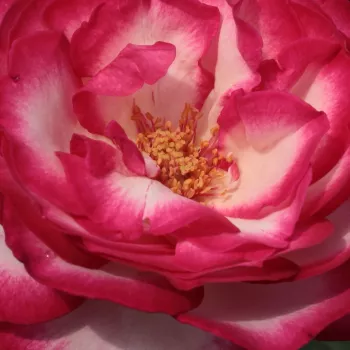
Inspired by the Titan who holds up the heavens, ATLAS™ brings a sense of quietly held romance to the family garden, its white-and-pink blooms perfect beside a cottage-style arbour for afternoon tea. This compact, upright hybrid tea has glossy dark foliage and semi-double flowers that repeat freely through the season, giving dependable colour without demanding complex care. Own-root plants establish steadily for a long-lived, regenerating framework that keeps its structure in small and medium plots, and cope well where breezes and showers test blooms in more exposed, coastal gardens. With low maintenance needs and strong disease resistance, ATLAS™ suits busy households who want reliable flowers rather than constant jobs. In a 40–50 litre container or border, you can simply water, lightly prune as you prefer, and enjoy its mild, classic rose fragrance as it matures from first roots to full ornamental presence over its early years.
Usage options
| Target area |
Reasoning |
| Main cottage-style border by the patio |
Compact, upright growth (around 70–95 cm) fits neatly into small to medium beds without overwhelming nearby plants, giving a formal hybrid tea shape within a relaxed cottage mix. Low maintenance suits time-pressed gardeners who still want reliable summer colour for family buyers. |
| Feature rose beside an arbour or bench |
The bicoloured white-and-pink blooms read beautifully at eye level, with semi-double, cupped flowers adding a romantic, storybook feel to seating areas used for afternoon tea or evening unwinding, ideal for those seeking traditional charm in a manageable size for romantic gardeners. |
| Cutting patch for home arrangements |
As an exhibition-type hybrid tea, ATLAS™ provides nicely formed, long-stemmed flowers for vases, allowing you to bring its subtly scented blooms indoors without dedicating a full rose garden, a practical choice for hobby florists and home arrangers among cottage enthusiasts. |
| Low-intervention family garden planting |
Good resistance to black spot, powdery mildew and rust means fewer sprays and less monitoring, keeping upkeep simple even in damper regions, which suits busy households and beginners who want dependable health as a quiet backdrop for urban owners. |
| Long-term border framework in a small plot |
As an own-root rose, ATLAS™ rebuilds from its base if knocked back by winter or pruning, avoiding the graft-related decline seen in some older roses and supporting a long service life, reassuring for planners of sustainable gardens and long-term owners. |
| Raised beds and improved clay borders |
The neat footprint and clear planting distances make it easy to design rows or groups in heavier soils once drainage is improved, creating ordered blocks of colour that keep their outline, useful where gardeners are managing awkward clay conditions for practical planners. |
| Large container on terrace or front step |
In a 40–50 litre pot, its height-to-width balance looks elegant without toppling, and own-root vigour helps it recover from occasional drying, offering an easy way to dress entrances and sun terraces for those short on ground space yet keen on roses as balcony gardeners. |
| Pollinator-friendly mixed planting strip |
Semi-double flowers with accessible stamens provide moderate interest for visiting insects, allowing ATLAS™ to sit comfortably amongst herbs and perennials in a wildlife-aware scheme, especially in plots where breezes and showers are frequent near open, breezy sites for eco-conscious families. |
Styling ideas
- Teatime Arbour – Plant ATLAS™ in pairs by a painted timber arbour, underplant with lavender and catmint, and add vintage metal chairs for a soft English tea-garden feel – ideal for romance-loving homeowners.
- Cottage Ribbon – Run a loose line of ATLAS™ along a path, interspersed with foxgloves and hardy geraniums to echo a village cottage lane – perfect for those recreating country charm in town gardens.
- Pastel Entrance – Position one rose each side of the front door in 50 litre tubs, with trailing ivy and white violas, to create a gentle, welcoming entrance – suited to busy families wanting impact with little work.
- Kitchen Cuttings – Grow a small block in the kitchen garden beside herbs, so stems for jugs and vases are close at hand, mixing beauty with practicality – good for home cooks who enjoy informal arrangements.
- Structured Border – Use ATLAS™ as repeating vertical accents within a mixed border of ornamental grasses and dogwoods, its compact form giving rhythm and order – attractive to planners who like neat yet natural layouts.
Technical cultivar profile
| Parameter |
Data |
| Name and registration |
Hybrid tea rose, registered as DELkort, marketed as Atlas™ Hybrid tea rose DELkort; ARS exhibition name Atlas, part of the hybrid tea collection for garden and cutting use. |
| Origin and breeding |
Bred by André Delbard-Chabert in France from ‘Chic Parisien’ × ‘Provence’; introduced and registered in 1966 by Georges Delbard SA, reflecting classic mid‑twentieth‑century French hybrid tea breeding. |
| Growth and structural characteristics |
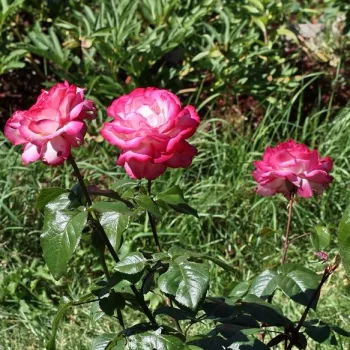
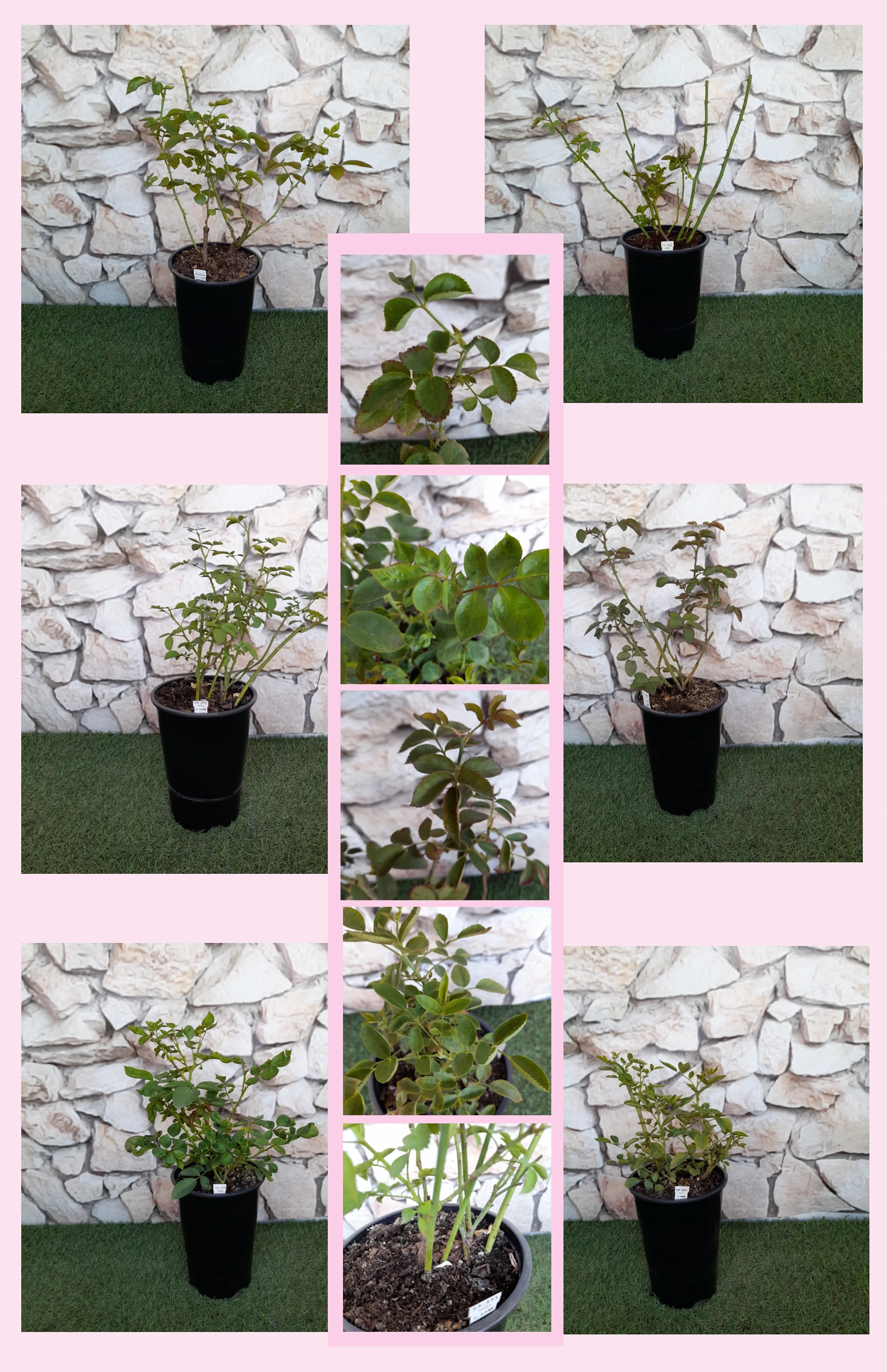
Upright habit, 70–95 cm tall and 45–65 cm wide, with dense, glossy dark green foliage and moderate prickles; forms a tidy, structural shrub suitable for borders, low hedging and feature planting in small gardens. |
| Flower morphology |
Semi-double, cupped blooms with 13–25 petals, slightly ruffled edges and single flowers per stem; small flower size yet well-defined form, offering classic hybrid tea style with good repeat flowering across the season. |
| Colour data and phenology |
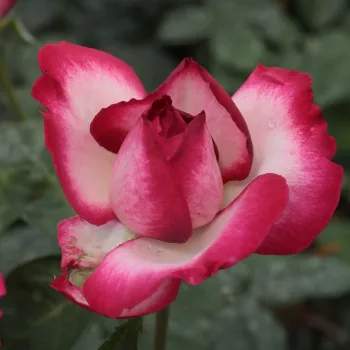
White-based petals with vivid pink margins (RHS 57C outer, 60A inner); buds deep pink, opening magenta-pink outside and pale within, deepening to ruby-violet tones, with good colour retention and minimal fading in sun. |
| Fragrance and aroma |
Mild, discreet rose fragrance with a delicate character; not overpowering near seating areas or doors, yet noticeable on close inspection, complementing its use as a cut flower and in intimate cottage-style garden spaces. |
| Hip characteristics |
Produces moderate numbers of small, spherical hips, approximately 7–10 mm in diameter, colouring to orange-red and adding a subtle seasonal detail to borders once flowering has finished later in the year. |
| Resistance and winter hardiness |
Resistant to powdery mildew, black spot and rust, with good overall health; hardy to approximately −21 to −18 °C (RHS H7, USDA 6b, Swedish zone 3), making it reliable across much of the United Kingdom. |
| Horticultural recommendations |
Suited to borders, specimens and cutting; plant 35–60 cm apart depending on use, giving 6.3–7.2 plants/m² for mass effect, and maintain with light annual pruning and standard feeding for best flowering. |
ATLAS™ offers compact structure, disease resistance and own-root resilience for long-lived, easy-care cottage borders and containers, making it a thoughtful choice for gardeners seeking enduring beauty with modest effort.