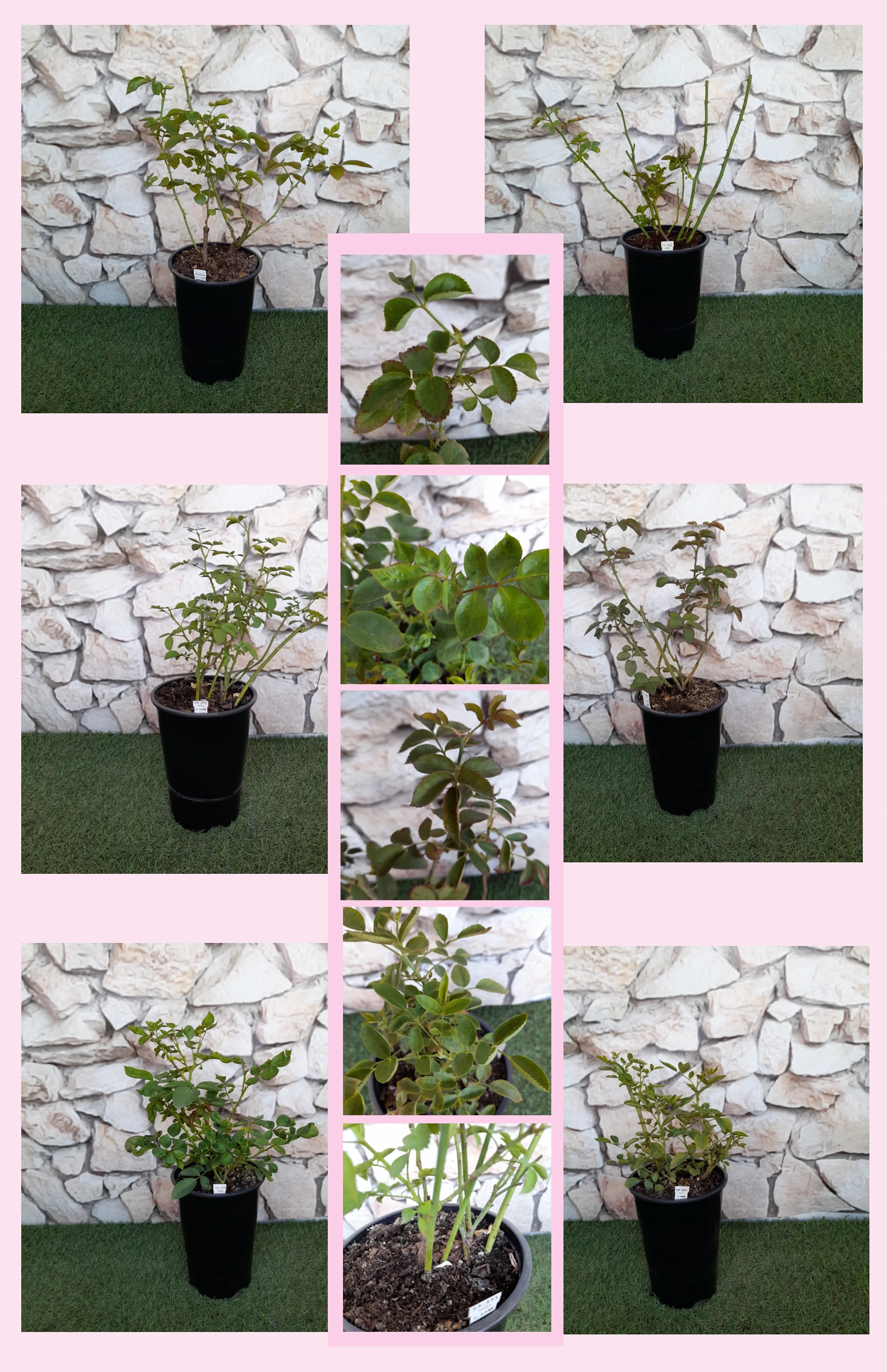
THIERRY MARX – mauve‑lilac flower‑bed floribunda rose, shrub rose
Imagine settling into afternoon tea beneath an arbour as petals of mauve‑lilac swirl around you: THIERRY MARX is a compact, bushy floribunda that slips easily into the “girly” English cottage look without demanding constant attention. Its very double clusters bring a richly fragrant, rose‑tea and citrus cloud to family gardens, while the glossy dark foliage stays clean thanks to excellent disease resistance. Bred for modern gardens, it copes reliably even where breezes and showers roll in from the coast, helping it keep its elegance through unsettled weather. As an own‑root shrub, it offers reassuring longevity and recovery after harder winters, building a stronger root system year by year for enduring structure and colour that matures naturally with your planting scheme.
Usage options
| Target area | Reasoning |
|---|
| Front‑of‑border cottage strip |
The compact, bushy habit and recommended 55 cm spacing make THIERRY MARX ideal for a neat, low front‑of‑border in a family garden. Regular clusters of very double flowers give an informal, storybook look with minimal pruning required, suiting those who want colour rather than complexity, especially beginners. |
| Low, romantic hedge |
Planted at about 35 cm, its dense, glossy foliage and self‑cleaning blooms form a soft, low hedge that frames lawns, paths or a kitchen garden. Because it is own‑root and strongly resistant to common rose diseases, the hedge keeps its ornamental value for many years with only light seasonal trimming, appealing to busy-owners. |
| Feature shrub near seating or arbour |
Used as a solitary shrub at around 85 cm spacing, the strong rose‑tea, citrusy fragrance and repeat flushes of clustered flowers create a focal point beside a bench, pergola or afternoon tea corner. Its compact size fits small to medium plots without overpowering them, ideal for scent‑loving homeowners. |
| Mixed cottage border with perennials and grasses |
THIERRY MARX partners beautifully with feather grasses and coneflowers, its mallow‑lilac tones weaving into a relaxed, cottage palette. Moderate heat tolerance and good resistance mean it carries the display reliably through summer as perennials wax and wane, which suits creatively minded hobby-gardeners. |
| Large patio container (40–60 litres) |
In a 40–60 litre pot, the compact, floribunda habit gives generous clusters without becoming leggy, and own‑root growth recovers well if the top is occasionally frosted. With consistent watering, it brings perfume and colour right up to doors and seating, perfect for space‑conscious urbanites. |
| Season‑long colour for family gardens |
Being remontant with abundant second flowering, this rose supplies repeated waves of bloom through the main season, keeping small family gardens cheerful between school holidays and weekend gatherings. The self‑cleaning habit reduces deadheading, fitting those who want visible results from limited time, like parents. |
| Low‑input, long‑term planting |
Strong resistance to black spot, powdery mildew and rust, combined with reliable frost hardiness, allows low chemical input and simple winter care. As an own‑root plant it quietly builds staying power below ground, rewarding patient planting with many years of service, valued by long‑view planners. |
| Border planting in exposed or breezy positions |
Its compact framework and dense foliage help it hold flowers and leaves in exposed suburban plots where wind and frequent showers can spoil less robust roses, bringing reassuring continuity of colour in such sites for practically minded coastal-gardeners. |
Styling ideas
- Cottage-Ribbon – Run a ribbon of THIERRY MARX along a front path, edging with lavender and nepeta to underline the mauve‑lilac tones – for lovers of classic English cottage frontage.
- Tea-Corner – Place a pair in large containers by a bistro set, underplanting with white violas to highlight the rich fuchsia centre – for those creating an afternoon tea nook.
- Kitchen-Hedge – Use as a low hedge beside a kitchen garden, interspersed with rosemary and chives for a soft yet practical boundary – for families who like charming order around veg beds.
- Pastel-Meadow – Mix with Mexican feather grass and pale echinacea for a loose, romantic border that sways in the breeze – for gardeners seeking a light, feminine “meadow” feel.
- Evening-Scent – Group three shrubs near a terrace, adding white gaura and soft pink salvias to catch the last light and trap fragrance – for those who dine outdoors on summer evenings.
Technical cultivar profile
| Property | Data |
|---|
| Name and registration |
Floribunda bed rose THIERRY MARX (DELviopar), from The Grand Perfumes collection; registered floribunda shrub and bedding rose used both in borders and as a cut flower. |
| Origin and breeding |
Bred and introduced in France by Pépinières et Roseraies Georges Delbard, with initial distribution by Georges Delbard SA; breeding completed and released to market in 2019. |
| Awards and recognition |
Awarded a Certificate of Merit for clustered flowers at the Concours International de Roses Nouvelles de Lyon in 2020, signalling strong ornamental performance and floribunda quality. |
| Growth and structural characteristics |
Compact, bushy shrub with dense, dark green, glossy foliage and moderate prickliness; naturally tidy, self‑cleaning habit supports easy care in beds, low hedges, and large containers. |
| Flower morphology |
Very double, cup‑shaped, slightly rosette‑like blooms with over 40 petals, large‑flowered clusters of 3–5 per stem; repeat‑flowering with an abundant second flush in suitable conditions. |
| Colour data and phenology |
Mallow‑lilac flowers with darker fuchsia‑crimson centre and paler outer petals; ARS MP, RHS 62C outer and 62D inner; colour holds 2–3 days in cool weather before soft pink fading. |
| Fragrance and aroma |
Strong, clearly perceptible scent combining classic rose‑tea notes with citrusy, fruity facets; fragrance is a key ornamental feature near seating, paths and doors, though pollen access is limited. |
| Hip characteristics |
Forms small, egg‑shaped hips approximately 8–10 mm across; hips are not a primary ornamental feature and generally remain discreet within the dense foliage canopy. |
| Resistance and winter hardiness |
High resistance to black spot, powdery mildew and rust; hardy to around −21 to −18 °C (RHS H6, Swedish Zone 3, USDA 6b), with moderate heat and drought tolerance in summer. |
| Horticultural recommendations |
Suited to borders, low hedges, edging and large containers; plant at 55 cm (drifts), 35 cm (hedge) or 85 cm (specimen); prefers regular watering in dry spells and benefits from light annual pruning. |
THIERRY MARX offers compact, floribunda clusters, strong classic fragrance and long‑lived, disease‑resistant own‑root growth, making it a refined, low‑effort choice for your next romantic planting.