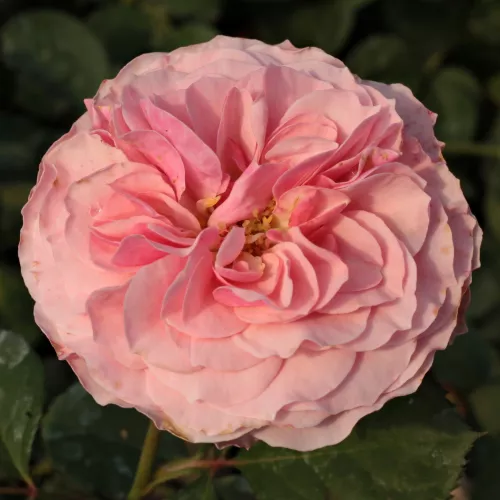
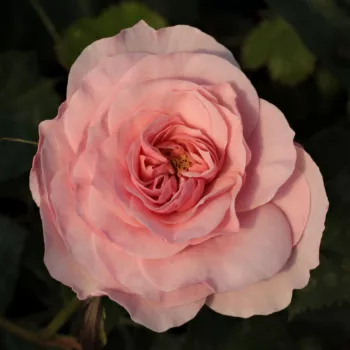
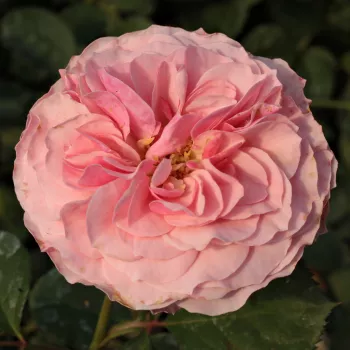
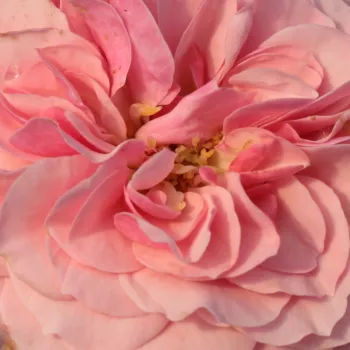
ÁRPÁD-HÁZI PRÁGAI SZENT ÁGNES – pink bedding floribunda rose
Romantic, soft-pink flowers and a naturally bushy habit make this rose an inviting choice for cottage-style borders and family gardens where you want seasonal cosiness without demanding care routines. The porcelain pastel blooms sit above mid‑green foliage, bringing a storybook charm that works just as well beside a kitchen garden path as it does along a front garden hedge. Own‑root cultivation supports long-term stability in typical UK conditions, even where gardens face brisk winds and persistent rainfall. Over time, the plant forms a reliable flowering framework, rewarding you with an abundant remontant display and a soft, sweet fragrance that suits relaxed afternoon tea corners. Medium maintenance means basic seasonal pruning and occasional plant protection are usually enough to keep the shrub balanced, while good heat tolerance lets it cope with sunnier, more exposed spots in smaller urban plots.
Usage options
| Target area | Reasoning |
|---|
| Front-of-border flowerbed in a family garden |
The bushy, 100–140 cm growth with dense foliage gives a solid flowering backdrop without overwhelming a modest border, and the pastel pink colour sits softly against lawns and paths, suiting beginners wanting dependable structure in a small plot, especially busy urban garden owners. |
| Cottage-style mixed bed with perennials |
Repeated flushes of light pink, cup-shaped flowers keep interest going beside companions such as lady’s mantle and annual lobelia, and the porcelain tones blend easily with soft herbaceous planting, ideal for those seeking a romantic, English countryside feel, especially lovers of romantic cottage style. |
| Low, traditional flowering hedge |
Regular spacing at 50–55 cm allows plants to knit into a gently formal hedge, giving visual enclosure without hard lines, while own-root durability supports long-term shape and recovery after pruning, welcoming for family buyers who prefer a traditional look. |
| Sunny seating area or “afternoon tea” corner |
The mild, sweet scent and soft pastel blooms create an intimate mood around benches or small terraces, with remontant flowering offering recurring highlights through summer, well suited to creating a cosy retreat for those who want a beautiful, flowering rose. |
| Container on patio or small urban terrace |
In a 40–50 litre or larger container, the moderately vigorous, upright-bushy habit is easy to manage with light annual pruning, providing structure and colour where border space is limited, attractive for busy urban garden owners. |
| Rural kitchen garden or productive plot edge |
The variety’s heat and moderate drought tolerance means it copes well near vegetable beds where watering patterns vary, while its romantic, old-world colour harmonises with traditional kitchen garden plantings, appealing to those with a rural kitchen garden. |
| Family garden feature planting (solitary specimen) |
Planted at about 90 cm free space, it develops into a rounded shrub that anchors a small lawn or corner bed; own-root growth helps it regenerate if damaged, supporting the natural Year 1 roots, Year 2 shoots, Year 3 full display progression valued by homeowners seeking long-lived plants. |
| Coastal or wind-exposed suburban sites |
The sturdy bush form and good general toughness help it cope where gardens are open to wind and frequent wet spells, with own-root resilience giving stable ornament even as weather shifts from year to year, reassuring for hobby gardeners in challenging locations. |
Styling ideas
- Cottage-Romantic Border – Combine with lady’s mantle and low catmint to echo the pastel pink flowers in a soft, billowing edge – ideal for lovers of romantic cottage style.
- Kitchen-Garden Path – Line a vegetable plot path with spaced shrubs, weaving in herbs such as chives and thyme to blend ornament and utility – suited to those with a rural kitchen garden.
- Pastel Hedge Walkway – Create a low hedge along a drive or front path, underplanting with spring bulbs for layered colour through the year – perfect for family buyers who prefer a traditional look.
- Patio Tea Corner – Place a large container near a bench, adding pots of lavender and annual lobelia for fragrance and airy texture – designed for those who want a beautiful, flowering rose.
- Small-Garden Focal Point – Use a solitary specimen in a circular bed, edged with lady’s mantle to frame the shrub’s bushy structure – attractive to busy urban garden owners.
Technical cultivar profile
| Parameter | Data |
|---|
| Name and registration |
Árpád-házi Prágai Szent Ágnes; floribunda bed rose; shrub rose exhibition category; current trade name as listed, bred by Márk and marketed by PharmaRosa. |
| Origin and breeding |
Hungarian floribunda bred by Márk Gergely in 1998; parentage undocumented; introduced by PharmaRosa Ltd; selected for refined flower form and versatile use in beds and hedges. |
| Growth and structural characteristics |
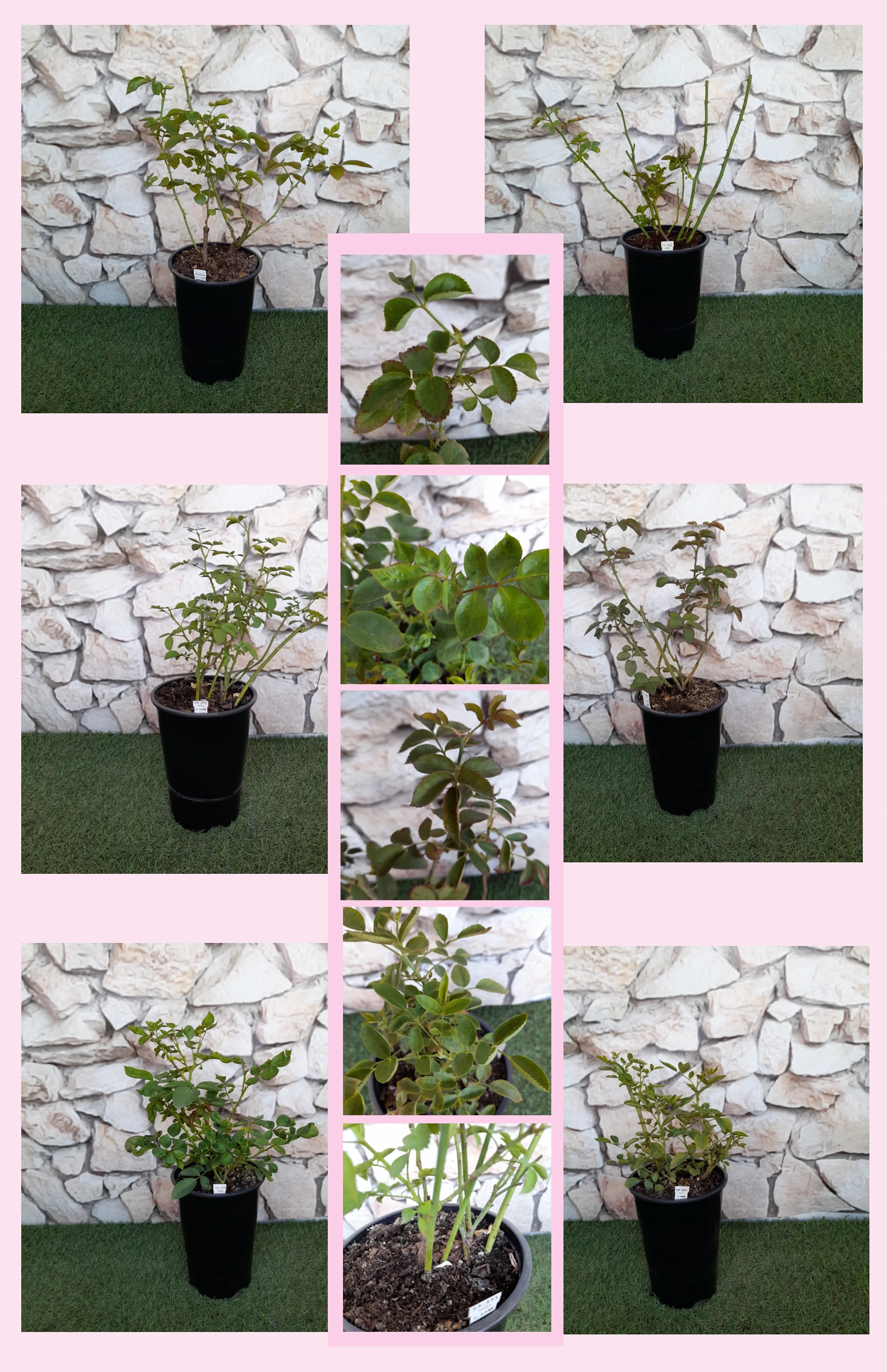
Bushy shrub, around 100–140 cm tall and 65–95 cm wide; dense, mid-green, slightly glossy foliage; moderately thorny canes give a sturdy, hedging-capable framework in small gardens. |
| Flower morphology |
Large, double, cup-shaped blooms with 26–39 petals; mostly borne singly on stems; remontant with abundant second flowering, providing generous ornamental value across the main season. |
| Colour data and phenology |
Soft pastel pink flowers with porcelain, pearlescent tones; opens light pink (RHS 65C/65D), then fades to near whitish pink; colour retention modest, lending a delicate, translucent appearance. |
| Fragrance and aroma |
Mild, sweet scent that stays unobtrusive around seating areas; not overpowering in enclosed spaces; double flowers primarily ornamental, offering only limited attraction and access for pollinators. |
| Hip characteristics |
Occasional ellipsoid hips, about 8–12 mm, orange-red at maturity; decorative in a discreet way without heavy fruiting; usually secondary to the plant’s floral display in typical garden use. |
| Resistance and winter hardiness |
Hardy to approximately –21 to –18 °C (RHS H7, USDA 6b, Swedish zone 3); medium disease resistance to mildew, black spot and rust; tolerates heat and moderate drought when reasonably established. |
| Horticultural recommendations |
Best in sunny sites with well-prepared soil; plant 50–55 cm apart for hedges, wider for specimens; medium maintenance with routine pruning and occasional protection, suitable for containers from 40–50 litres. |
Árpád-házi Prágai Szent Ágnes offers romantic pastel flowering, a bushy, space-efficient habit and resilient own-root longevity, making it a cultured choice for those wishing to enjoy roses with modest garden effort.