ARIEL – orange hybrid tea rose - Bees
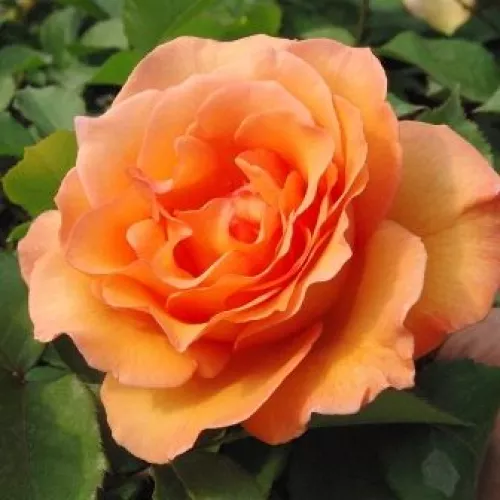
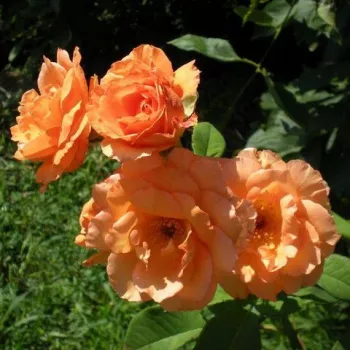
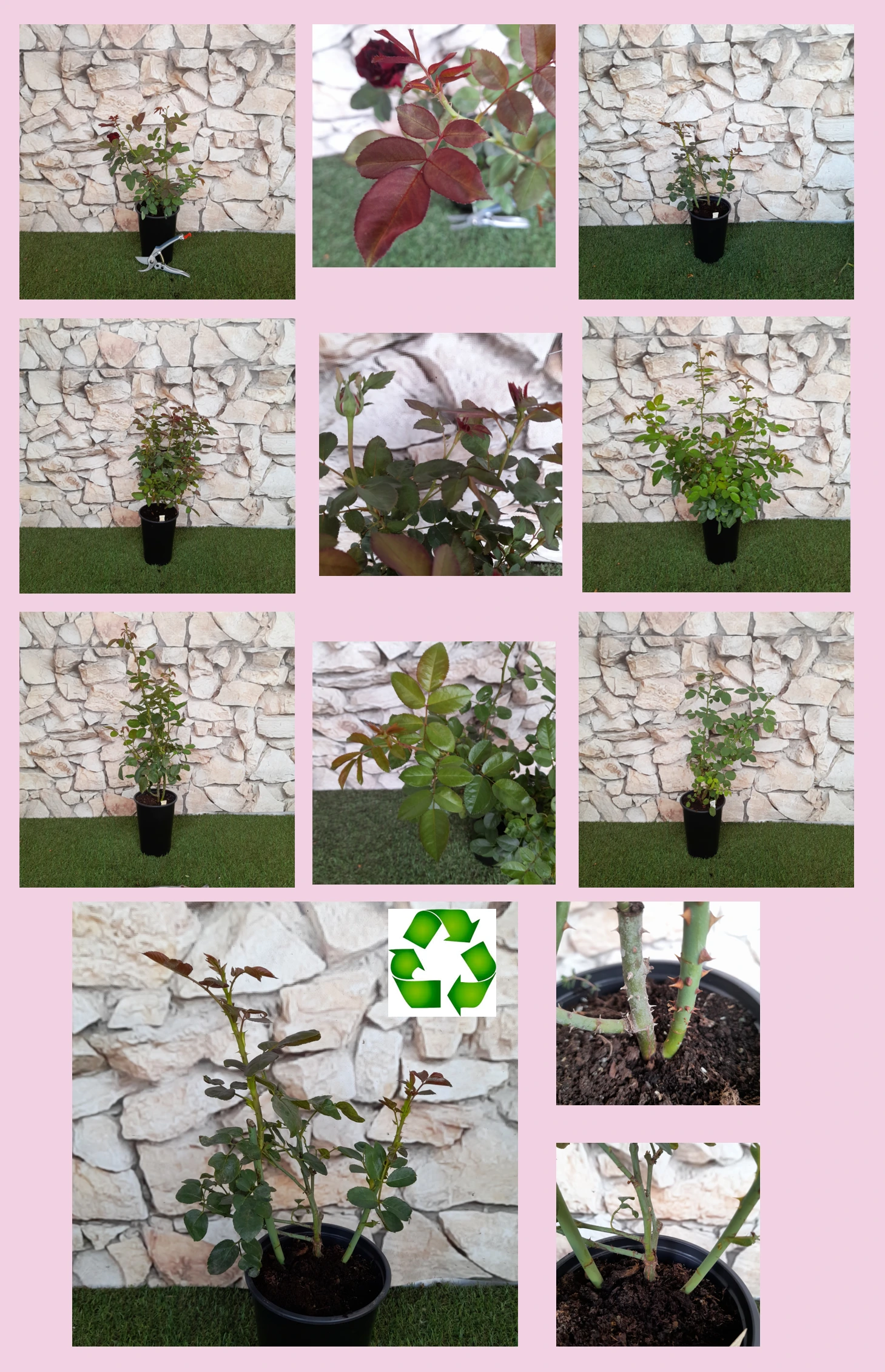
Imagine sitting under an arch with a pot of tea while Ariel glows in the border: this classic hybrid tea offers elegant blooms, a reliable upright habit and moderate care demands that suit busy home gardeners. Its semi-double, ball-shaped flowers open in rich orange-yellow tones that gently soften to buttery, romantic shades, giving your beds a soft-focus cottage look from early summer onwards. Thanks to its own-root origin it builds a durable framework, recovering more easily from pruning or winter damage and quietly extending the rose’s working lifespan. Over time you gain a stable, medium-height bush that copes well with typical British conditions, even when borders face persistent breezes and showers. You can expect a pleasing remontant flush with a second wave of colour for cutting, ideal when you want storybook stems for indoor arrangements, and its medium-strength sweet, spicy perfume makes every walk past the flower bed feel more cosy. Plant once and allow its own-root system to deepen naturally, so you enjoy first-season charm, better second-year structure and a full, settled ornamental display by about the third year.
Usage options
| Target area | Reasoning |
|---|
| Classic rose bed near the terrace |
The upright, bushy structure and 60–90 cm height make this rose perfect for a low, formal bed that stays within view of the patio, providing elegant, ball-shaped blooms with a clear outline and no need for complicated training, ideal for hobby gardeners. |
| Cottage-style mixed border |
Its warm orange-yellow flowers that fade to buttery and pinkish tones blend beautifully with soft perennials and herbs, creating a relaxed, storybook feel without strict spacing rules, suiting those who enjoy a romantic look but prefer straightforward care, ideal for cottage-garden lovers. |
| Feature rose by a garden bench |
With medium-strong sweet, spicy fragrance and repeat flowering, one or two plants near a seating area give a classic “afternoon tea” atmosphere, while own-root vigour helps the plant recover if pruned hard to keep paths clear, ideal for homeowners. |
| Cutting corner in the kitchen garden |
The large, solitary blooms on upright stems are excellent for vases, and remontant flowering provides a second flush of stems for indoor arrangements without intricate disbudding, matching the needs of gardeners who like simple, usable beauty, ideal for practical romantics. |
| Small front garden focal point |
Its moderate spread of 50–70 cm and tidy outline make it easy to position as a solitary specimen where space is tight, and own-root planting helps ensure long-term continuity even if winter or pruning set the top growth back, ideal for urban gardeners. |
| Low informal hedge along a path |
Planted at 35–40 cm intervals, the bushy habit forms a light edging that guides the eye without becoming overbearing, giving a traditional rose-walk effect that stays manageable with straightforward winter pruning and occasional health checks, ideal for family gardens. |
| Large container on a sunny patio |
In a 40–50 litre container with good drainage, this moderate-sized, upright rose offers colour and scent close to the house, and its own-root constitution supports regeneration if growth is periodically cut back to fit the pot, making it appealing for busy owners. |
| Raised bed in challenging ground |
Where soil is heavy or poorly drained, a raised bed allows the roots of this own-root shrub to establish deeply, giving a resilient, medium-height plant that copes well over time even in sites exposed to frequent breezes and rain, especially reassuring for beginners. |
Styling ideas
- Kitchen-border romance – Underplant with chives, thyme and soft-pink pelargoniums for a scented, useful border that echoes cottage kitchen traditions – suits cooks who like cutting stems for the table.
- Pastel sunset strip – Combine with lavender, apricot foxgloves and cream cosmos to mirror its orange-yellow fading tones – suits gardeners who enjoy gentle, blended colour rather than sharp contrasts.
- Bench-side duo – Pair two plants on either side of a wooden bench, with low catmint at their feet, to frame a quiet reading spot – suits those who value fragrance and calm near seating.
- Front-garden welcome – Plant as a single specimen with white violas and silver foliage around the base to highlight its warm blooms – suits homeowners wanting an elegant but undemanding entrance.
- Arbour companion – Position near a light climber such as honeysuckle so upright stems fill the lower level while the climber weaves above – suits romantics seeking layered height without complex training.
Technical cultivar profile
| Parameter | Data |
|---|
| Name and registration |
Hybrid tea rose, Pernetiana group, current trade name ARIEL – orange hybrid tea rose - Bees; unregistered variety with American Rose Society exhibition name ‘Ariel’, bred for garden and cutting use. |
| Origin and breeding |
Bred by Bees Ltd. in the United Kingdom around 1920 from ‘Madame Edouard Herriot’ × ‘Natalie Boettner’; introduced in 1922 by Bees Ltd. and Sealand Nurseries as a classic hybrid tea. |
| Awards and recognition |
Royal National Rose Society Gold Medal in 1920, reflecting early twentieth-century appreciation for its colour combination, flower form and overall garden performance among hybrid tea introductions. |
| Growth and structural characteristics |
Upright, bushy shrub reaching about 60–90 cm high and 50–70 cm wide, with moderately dense, mid-green, slightly glossy foliage and moderate prickliness, forming a compact, balanced outline in beds. |
| Flower morphology |
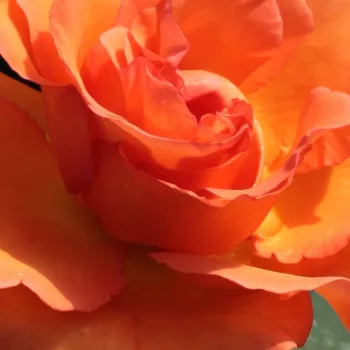
Semi-double, ball to pompon-shaped blooms borne mainly singly on stems, with approximately 13–25 petals, large flower size and a clear hybrid tea character, followed by a generous repeat-flowering second flush. |
| Colour data and phenology |
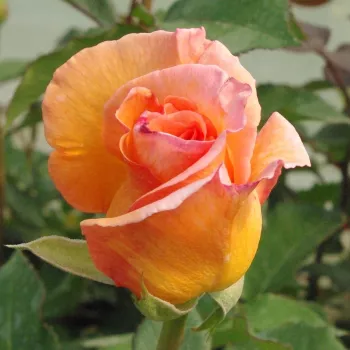
Medium-bright yellow base with orange and scarlet tones; buds open golden yellow with scarlet touches, then fade through vivid orange-yellow to creamy, buttery yellow with soft pinkish edges as flowers age. |
| Fragrance and aroma |
Medium-strength, clearly perceptible scent with a sweet and spicy character, noticeable at close range around seating or paths, adding traditional rose fragrance to the garden without being overpowering. |
| Hip characteristics |
Occasional egg-shaped hips, around 10–14 mm in diameter, maturing to an orange-red colour; visually interesting in late season but usually incidental to the plant’s main ornamental value in flowers. |
| Resistance and winter hardiness |
Hardy to approximately −21 to −18 °C (RHS H7, Swedish zone 3, USDA 6b); disease profile moderate overall, with good black spot resistance but some susceptibility to powdery mildew and rust. |
| Horticultural recommendations |
Best performance in sunny positions with fertile, well-drained soil; plant at 35–65 cm spacing depending on use, prune as a standard hybrid tea and monitor periodically for foliar diseases and pests as needed. |
ARIEL – orange hybrid tea rose - Bees offers upright, compact structure, scented repeat flowers and long-term stability from its own-root form; consider it where you want enduring, cottage-style colour with manageable care.