APRICOT CLEMENTINE® – apricot dwarf mini rose
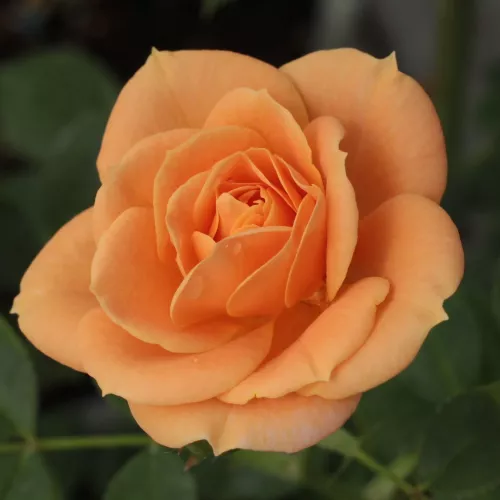
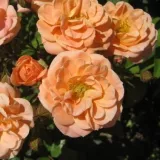
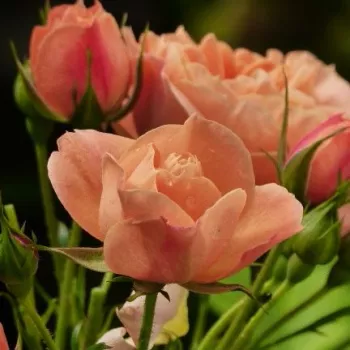
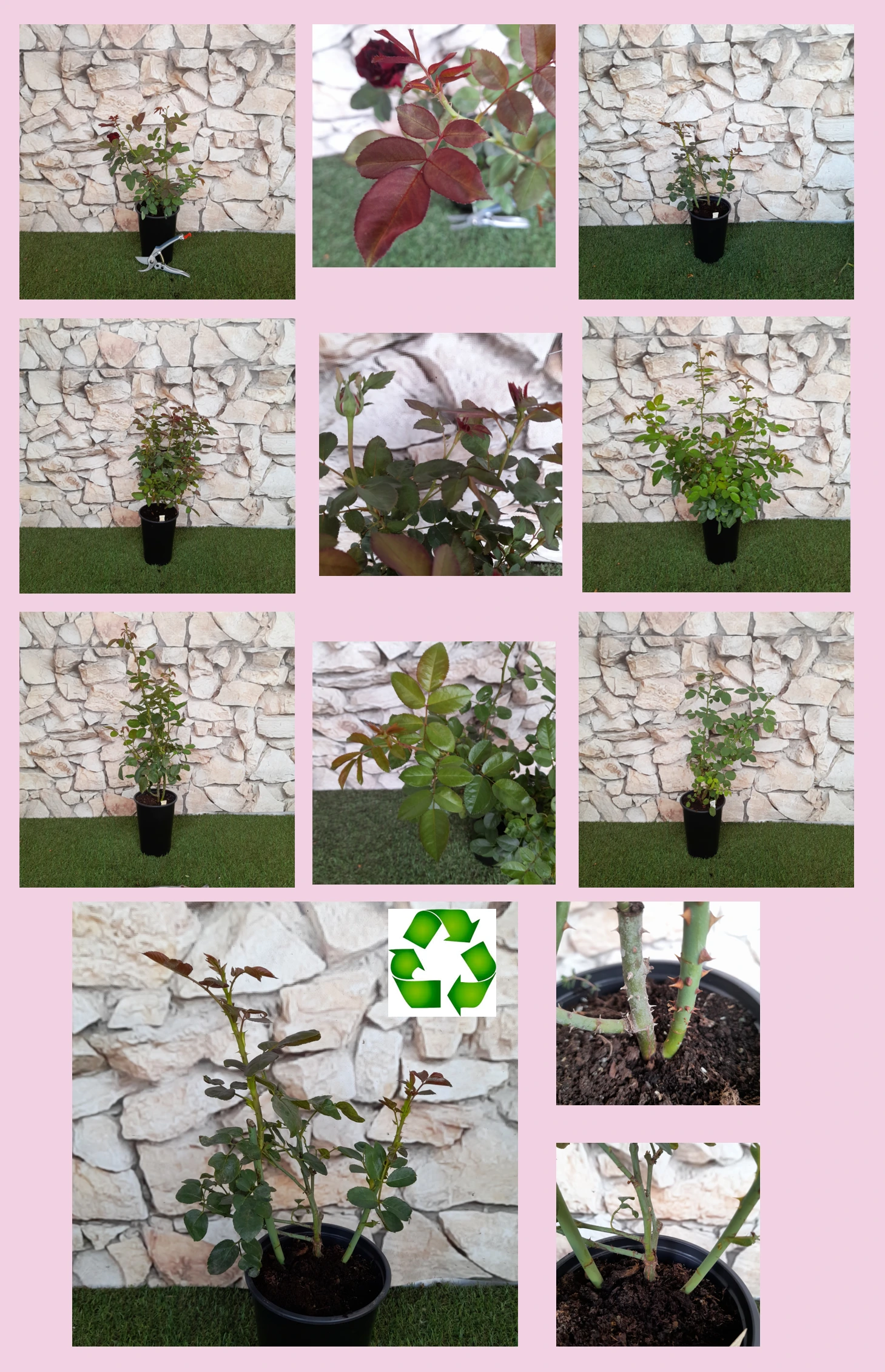
Set a romantic, storybook corner with APRICOT CLEMENTINE®, a compact rose that brings cosy charm to small gardens, patios and balconies. Its clusters of warm peach blooms sit on compact, bushy growth, ideal for cottage-style plantings where space is limited yet abundant colour is desired. As an own-root shrub, it is naturally resilient, regenerating from the base and offering a long, steady life in family gardens. Easy to manage in raised beds and containers, it copes well where gardens face windy weather and heavier soils, provided drainage is improved. You can slip this ready-grown rose into beds or large pots almost any time through the season, enjoying reliable repeat flowering while keeping garden work pleasantly simple. Over the first few seasons it will quietly settle in, first strengthening below ground, then building shoots, before reaching its full, enduring character.
Usage options
| Target area |
Reasoning |
| Small front gardens and cottage-style borders |
The naturally compact, bushy habit stays around 45–55 cm, giving neat structure without swallowing paths or windows. It fits easily into narrow beds by the front door, adding soft peach colour while remaining in scale with smaller UK plots, ideal for the busy homeowner. |
| Terraces, balconies and large containers |
Bred as a dwarf/mini rose, this variety thrives in pots; choose a 40–50 litre container for stable moisture and anchoring. Its dense foliage and repeat clusters of flowers create an intimate, “afternoon tea on the balcony” feel with limited maintenance, ideal for the urban gardener. |
| Low edging and path-side planting |
The even, rounded outline and mid-green foliage allow you to create low, romantic edging that frames paths, lawns or vegetable beds. Regular repeat blooming in peach tones brings a gentle, storybook look without fussy pruning, appealing to the cottage-style lover. |
| Rockery and raised beds on heavier soils |
Its modest size and fibrous root system suit rockeries and raised borders where drainage has been improved above heavier clay. Here the plant anchors well yet remains easy to access for light care, giving reliable colour in challenging spots for the practical gardener. |
| Mixed planting with perennials and grasses |
Clusters of peach flowers combine beautifully with airy grasses and soft-textured perennials, echoing English countryside planting. The compact framework allows underplanting without crowding, building layered, romantic borders over several seasons for the design-conscious owner. |
| Low-maintenance family gardens |
Own-root growth means the shrub can regenerate from its base after winter or accidental damage, maintaining shape and colour over many years. Pruning can be kept light and flexible, while remontant flowering keeps interest going through summer for the time-poor family. |
| Partially shaded seating areas |
Tolerant of partial shade, this rose performs well near arbours, pergolas or north-east aspects where it still receives bright light. The softer light enhances its peach tones and supports comfortable afternoon seating spaces for the shade-aware planner. |
| Exposed patios and coastal-influenced gardens |
The low, dense canopy and moderate thorniness help it stand firm and remain handleable in more exposed sites, such as breezier patios and gardens open to coastal winds, provided containers are well weighted and watered, suiting the coastal homeowner. |
Styling ideas
- Cottage-Edged Path – Plant a soft edging of APRICOT CLEMENTINE® along a narrow path, interspersed with lamb’s ear and low campanulas for a romantic, storybook welcome – suited to front-garden traditionalists.
- Tea-on-the-Terrace – Place a single rose in a 40–50 litre pot beside a bistro table, underplanted with trailing bellflowers to echo its peach blooms – ideal for balcony and terrace dwellers.
- Kitchen-Garden Charm – Tuck groups of three into the corners of vegetable beds, where the compact habit and own-root durability frame crops with gentle colour – perfect for kitchen-garden enthusiasts.
- Grasses-and-Roses – Combine with Japanese ornamental grass and other fine-textured perennials in a raised bed, using the small stature to weave colour through moving foliage – appealing to naturalistic planters.
- Rockery Romance – Use on a sunny rockery slope or in a stone-edged raised bed, where its neat form and repeat flushes soften rocks and hard landscaping – for gardeners with tighter, sloping plots.
Technical cultivar profile
| Property |
Data |
| Name and registration |
APRICOT CLEMENTINE® Mini - dwarf rose TAN96130; ARS exhibition name Apricot Clementine; floribunda / patio type dwarf mini rose; registered cultivar name TAN96130, verified for authenticity. |
| Origin and breeding |
Bred by Hans Jürgen Evers (Rosen Tantau, Germany) in 1994, introduced and registered in 2001; parentage not recorded, selected for compact habit and floriferous peach-toned blooms. |
| Growth and structural characteristics |
Compact, bushy shrub about 45–55 cm high and wide, with dense, mid-green, slightly glossy foliage (approx. RHS 137A) and moderate prickliness; suitable for containers and small-scale planting schemes. |
| Flower morphology |
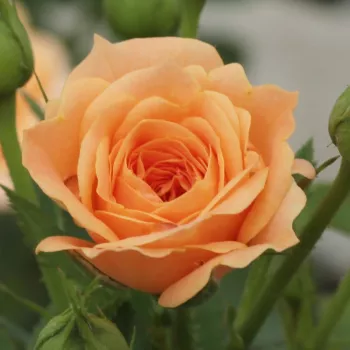
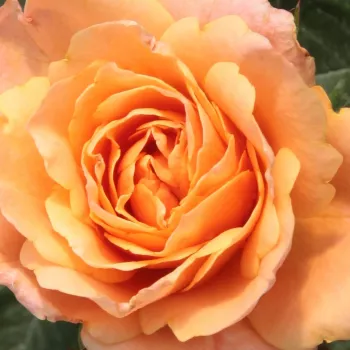
Medium-sized, double, cup-shaped blooms (about 1.5–2.75 in) carried in clusters; 26–39 petals give a full look; remontant with an abundant second flush under normal garden conditions. |
| Colour data and phenology |
Warm peach-yellow with subtle orange tones; buds deep orange-peach, opening vivid peach yellow, then fading to creamy peach with slight pink edges; outer petals near RHS 24B, inner around 24C, moderate colour retention. |
| Fragrance and aroma |
Fragrance is very weak and barely noticeable; this cultivar is grown primarily for its colour effect and form rather than scent, suiting settings where visual impact is more important than perfume. |
| Hip characteristics |
Hips form sparsely due to double flowers; when present they are spherical, about 9–12 mm in diameter, coloured red-orange, adding occasional late-season interest without significant self-seeding. |
| Resistance and winter hardiness |
Hardy to around –21 to –18 °C (RHS H7, Swedish zone 3, USDA 6b); disease resistance is medium to common fungal issues, requiring occasional plant protection and balanced watering in humid seasons. |
| Horticultural recommendations |
Best at 35 cm spacing in groups, 30 cm for low hedging, 55 cm as a solitary; 8–10 plants/m² for massing; suitable for containers, terraces, balconies, small groups and rockeries, with consistent watering in pots. |
APRICOT CLEMENTINE® offers compact growth, repeat peach flowering and long-lived own-root reliability in beds or large containers, a thoughtful choice for those planning a gentle, enduring cottage-style garden.