APACHE – yellow park rose - Abrams
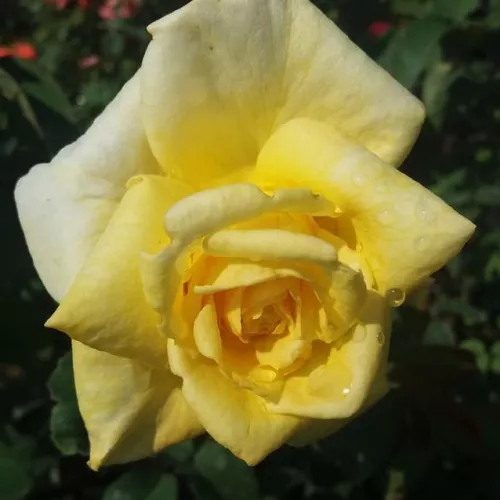
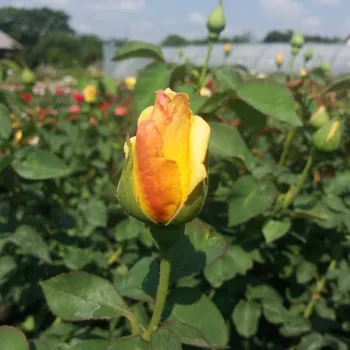
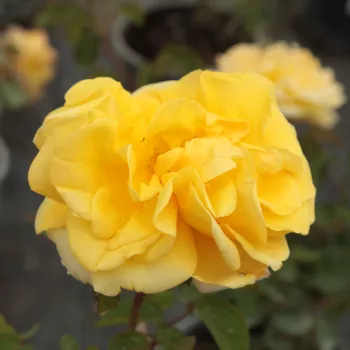
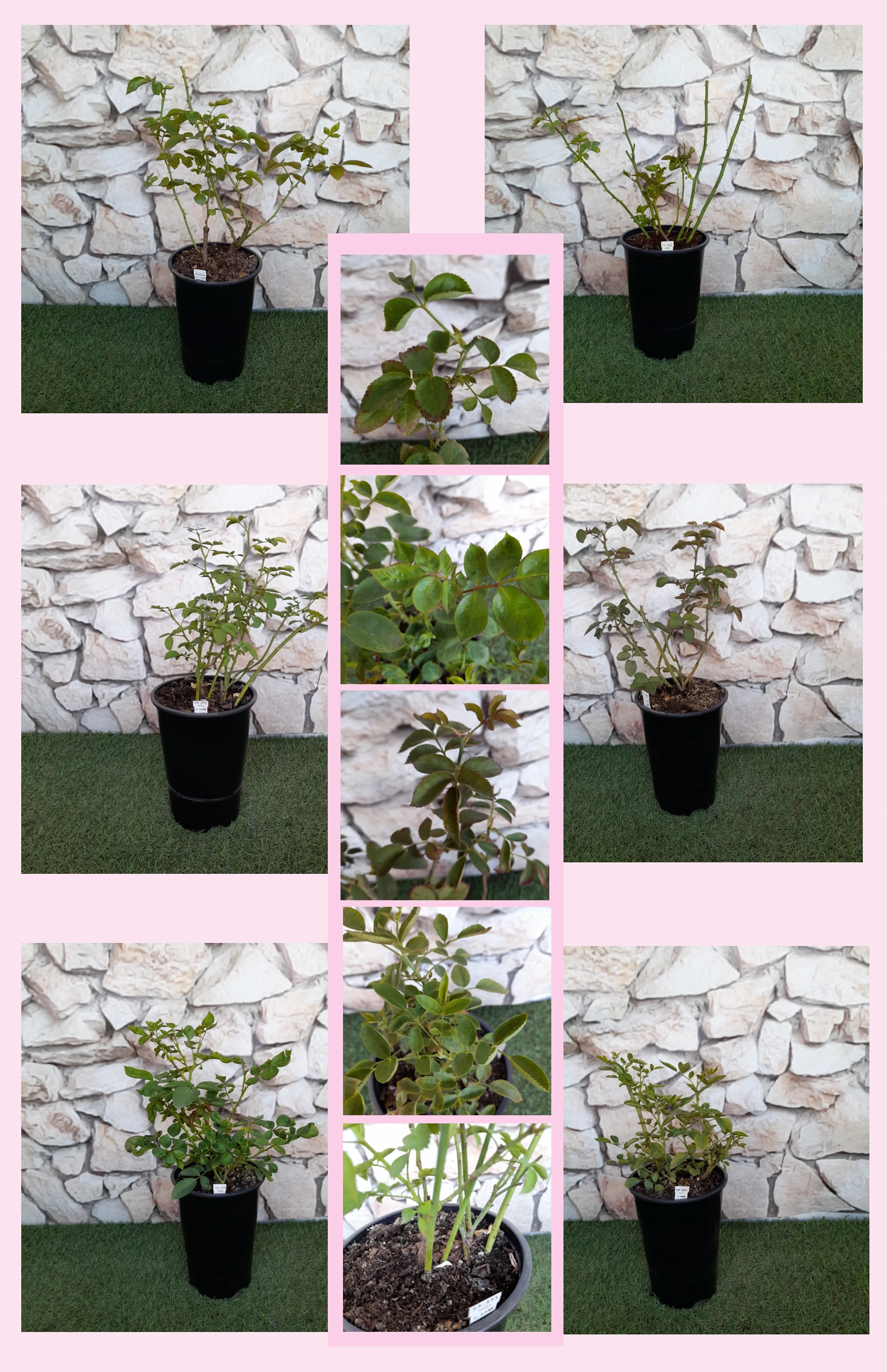
Imagine settling into a quiet corner of your garden for afternoon tea as clusters of mellow yellow blooms of Apache surround you with a soft, romantic glow and a gently sweet fragrance. This upright shrub rose forms a bushy, foliage-rich presence that looks instantly at home in a cottage-style border, coping reliably even in exposed areas with frequent winds and passing showers. Its double, high-centred flowers feel reassuringly classical, opening from lemon-gold buds to honeyed, buttery tones that blend easily with country-style planting. As an own-root rose, Apache is bred for longevity, building strong roots first, then fuller top growth, until its third year brings a truly settled, ornamental presence with minimal fuss. Once established, it repays simple, occasional pruning with generous repeat flowering, giving busy gardeners dependable colour from a low-maintenance, storybook shrub.
Usage options
| Target area | Reasoning |
|---|
| Cottage-style mixed border in a family garden |
Apache’s romantic yellow blooms and upright, bushy habit slot naturally into cottage-style borders, weaving between perennials and herbs without looking stiff or formal. Its repeat-flowering nature keeps the border coloured for much of the summer with little intervention, especially once the own-root plant has settled and started to fill out. Perfect for those who love a soft, traditional look but prefer uncomplicated care for their family garden. |
| Informal flowering hedge along paths or boundaries |
The medium–tall height and dense foliage make Apache well suited to informal hedging, giving you a leafy screen punctuated with butter-yellow flowers. Planted 80–90 cm apart, it knits into a loose barrier that feels welcoming rather than rigid, ideal along front gardens or as a gentle division within the plot. A good choice if you want structure and privacy without losing charm in your everyday planting. |
| Feature shrub near seating, pergola or arbour |
Planted close to a bench or arbour, Apache offers clusters of double blooms at eye level for you to enjoy during tea or evening unwinding. The mild, sweet fragrance is pleasant without being overpowering, and the repeat flowering means there is usually something to admire across the season. Ideal for homeowners who want a single, dependable rose to anchor their relaxation space. |
| Small groups for mass planting impact |
Used in groups of three or five, Apache creates a strong colour block, its lemon-to-honey yellow flowers standing out against the dark, glossy foliage. This is especially effective in front gardens where you want quick visual impact with plants that still look natural and garden-friendly. A practical option for busy gardeners aiming for a coherent, polished effect with minimum effort. |
| Sunny border in breezier, more exposed locations |
Apache’s sturdy, upright shrub structure and well-furnished stems cope well with typical British breezes and spells of wet weather, holding its flowers without collapsing. Its foliage is also resistant to powdery mildew and black spot, which helps it stay presentable in less sheltered gardens and coastal-feeling plots. Well suited to those needing roses that look after themselves in challenging spots. |
| Low-maintenance rose area for beginners |
With moderate maintenance needs and solid disease resistance, Apache is forgiving if you are new to roses or short on time. The own-root form supports steady recovery from pruning or weather damage, so the shrub tends to regain shape and flowering without complicated techniques. A reassuring pick for learners seeking a reliable, long-lived rose for their first plantings. |
| Large container on patio, terrace or courtyard |
In a 40–50 litre container or larger, Apache becomes a handsome patio shrub, its upright height giving vertical interest beside doors or seating. The dense, dark green leaves create a leafy backdrop, while the yellow blooms soften paving and walls in compact outdoor spaces. A thoughtful solution for urban gardeners wanting cottage charm in a limited footprint. |
| Traditional kitchen garden edge or backdrop |
Bordering a kitchen garden, Apache brings colour and a gentle sense of enclosure without overshadowing vegetables and herbs. Its own-root nature supports a long lifespan: roots establish in the first year, shoots thicken in the second, and by the third year you gain a fully developed ornamental shrub, ideal for those planning ahead in a space where practical beauty matters to home growers. |
Styling ideas
- Soft-country hedge – Plant Apache as a loose hedge with lavender and catmint threading between shrubs to blur the line of the boundary – for lovers of traditional cottage boundaries and gentle summer fragrance.
- Kitchen-garden frame – Use Apache at the back of raised beds, pairing it with sage, chives and marigolds to blend ornament and utility – for home cooks who enjoy a productive yet pretty potager.
- Golden-focus border – Combine Apache with cream foxgloves, pale pink hardy geraniums and airy grasses for a romantic, yellow-led scheme – for those seeking a soft, storybook feel around seating areas.
- Patio-centrepiece pot – Grow Apache in a generous 50-litre container, underplanting with trailing thyme and violas to soften the rim – for balcony and terrace owners wanting an easy-care rose statement.
- Family-relax corner – Position Apache beside a bench or swing, with spring bulbs in front and summer perennials around its base – for families who want a low-fuss, long-lived focal point near where they unwind.
Technical cultivar profile
| Characteristic | Data |
|---|
| Name and registration |
Apache – shrub / park rose, ARS exhibition name Apache; registered cultivar name Apache, commercial use as a park-shrub type suitable for garden and landscape planting. |
| Origin and breeding |
Bred by Gordon J. Von Abrams in the USA, breeding year 1961; parentage and introduction details not recorded, but selected for garden-friendly performance and ornamental flower quality. |
| Growth and structural characteristics |
Upright, bushy grandiflora-type shrub, around 130–190 cm tall and 70–110 cm wide, with dense, dark green glossy foliage and plentiful prickles giving a robust, structural garden presence. |
| Flower morphology |
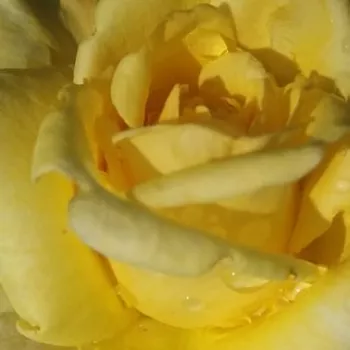
Large, double flowers with 26–39 petals, high-centred, pointed buds reminiscent of cut-rose forms; generally borne singly on stems, with abundant remontant flowering in the second flush. |
| Colour data and phenology |
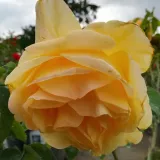
Sunny yellow blooms: lemon-golden buds open to bright golden centres, fading through butter-yellow and creamy tones to honey-straw shades; colour retention moderate, providing soft, evolving effects. |
| Fragrance and aroma |
Pleasantly sweet fragrance of mild intensity, offering a gentle classic rose scent close up; primarily ornamental rather than strongly perfumed, suitable for seating areas without overwhelming aroma. |
| Hip characteristics |
Due to double flowers, hip set is generally sparse; when present, bears small spherical orange-red hips, 16–24 mm diameter, adding occasional late-season interest without heavy seeding. |
| Resistance and winter hardiness |
Hardy to approximately −21 to −18 °C (RHS H7, USDA 6b, Swedish Zone 3); good resistance to powdery mildew and black spot, moderate rust resistance, suitable for typical UK garden conditions. |
| Horticultural recommendations |
Medium maintenance; prefers sunny, well-drained soil, with standard feeding and occasional disease checks; recommended spacings: 90 cm for mass planting, 80 cm hedging, 150 cm for solitary specimens. |
APACHE offers romantic yellow blooms, reliable repeat flowering and a strong, long-lived own-root shrub structure, making it a thoughtful choice if you prefer a classic rose that will quietly mature with your garden over the years.