ANIKA™ – golden-yellow hybrid tea rose - Haschke
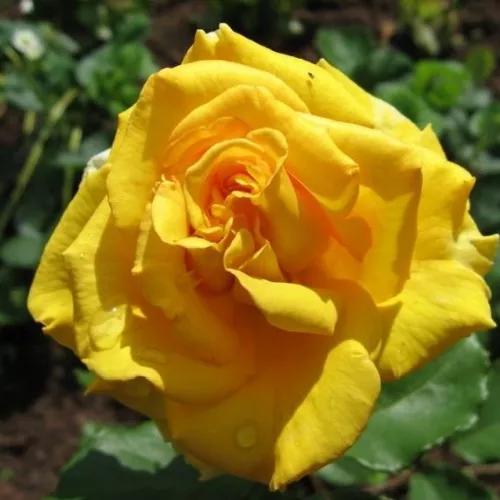
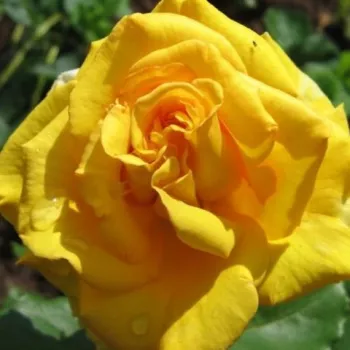
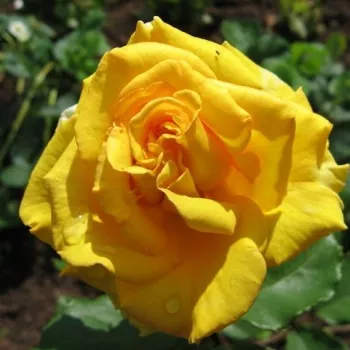
Warmly coloured and quietly refined, ANIKA™ brings a touch of storybook romance to a family garden, with high‑centred, cut‑rose blooms that sit neatly on an upright, compact habit. Its rich golden-yellow tones soften to buttery pastels, blending easily with cottage‑garden borders and rural kitchen plots. As an own‑root plant it offers reassuring longevity, building a dependable framework that regenerates well after pruning and recovers steadily from winter. Simple border care and light grooming are usually enough to keep this variety looking elegant, even where frequent showers and breezy days demand roses that cope reliably with cool, unsettled weather. Over successive seasons it knits into the garden picture, supporting a relaxed, cottage atmosphere while its semi‑double flowers provide modest support for visiting pollinators.
Usage options
| Target area |
Reasoning |
| Cottage-style front garden border |
The compact, upright structure keeps ANIKA™ tidy along paths and drives, while its golden-yellow, high-centred blooms read clearly from the pavement. Medium care needs suit simple border routines for busy homeowners |
| Romantic mixed rose bed |
Remontant flowering with a generous second flush gives steady colour through summer, ideal for a small family rose bed. Own-root plants build strength each year, supporting long-term planting plans for beginner gardeners |
| Cutting patch by the kitchen garden |
The classic hybrid tea form and medium-sized, pointed buds make ANIKA™ an easy choice for home-cut vases, while the semi-double flowers still offer some pollen access. This suits cottage-style plots for romantic rose lovers |
| Feature rose near a seating area |
A single specimen at 70–95 cm offers refined structure without overpowering small terraces, with warm, mellow tones that feel cosy around seating. Own-root growth gives stable form and good regeneration for urban patio owners |
| Small hedge or low seasonal screen |
Recommended spacings allow ANIKA™ to form a low, golden-flowering line that frames lawns or vegetable beds. Medium prickliness and moderate foliage density give a gentle, not harsh, boundary for family gardeners |
| Pollinator-conscious cottage border |
Semi-double flowers with partly exposed stamens offer moderate support for bees without sacrificing the neat, cut-rose look, pairing well with herbs and perennials. This fits a softly wildlife-aware style for nature-friendly households |
| Own-root long-term planting scheme |
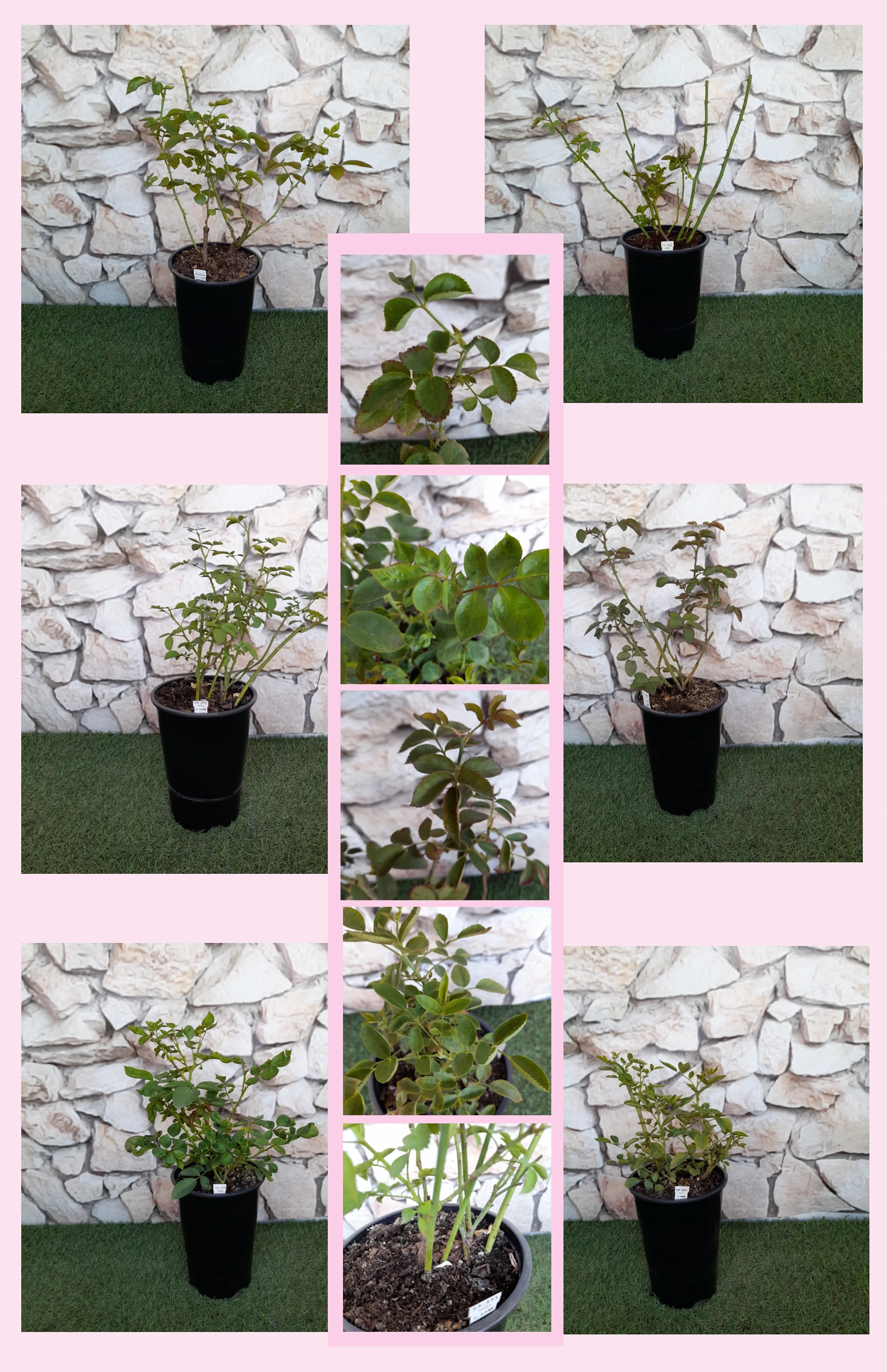
As an own-root rose, ANIKA™ is not graft-dependent, so it rebuilds from its base after harder pruning or winter damage, supporting a long planting life; roots establish first, then top growth, then full decorative value for practical planners |
| Raised or improved border on heavier soils |
The moderate size and upright habit make ANIKA™ easy to integrate into improved soil pockets or raised strips where drainage has been enhanced for wetter, wind-exposed gardens, particularly in cooler, changeable conditions for coastal gardeners |
Styling ideas
- Sunlit path edging – plant ANIKA™ in a slim front-garden strip, underplant with pale catmint and low thyme to emphasise its compact habit – ideal for neat, traditional frontages.
- Cottage cutting corner – group several plants near a kitchen garden with chives and coneflowers, giving regular vase material from its classic hybrid tea blooms – perfect for home florists.
- Golden focal point – use a single ANIKA™ as a feature near a bench, backed by soft green hedging so the warm petals create a cosy, afternoon-tea mood – suited to small seating areas.
- Low storybook hedge – stagger plants at hedge spacing along a lawn edge, intersperse with stonecrops for hips and texture, building a gentle, romantic screen – good for family play gardens.
- Wildlife-friendly strip – weave ANIKA™ through a narrow border with alliums and herbs, where its semi-double flowers offer moderate forage within a classic look – appealing to nature-conscious cottage owners.
Technical cultivar profile
| Property |
Data |
| Name and registration |
Hybrid tea rose, registered as PLAhasdor; marketed as Anika™ Hybrid tea rose PLAhasdor, exhibition name Anika, hybrid tea commercial group for garden and cutting use. |
| Origin and breeding |
Bred by Haschke in Germany, with breeding year and registration recorded as 1987; parentage is not documented, initial distribution handled by Pflanzen-Kontor in the German market. |
| Growth and structural characteristics |
Upright bush reaching about 70–95 cm in height and 30–45 cm spread, moderately thorny, with mid-green, slightly glossy, moderately dense foliage creating a tidy, compact outline. |
| Flower morphology |
Semi-double, high-centred hybrid tea flowers with 13–25 petals, medium-sized (approximately 4–7 cm), produced singly on stems, repeating through the season with a generous secondary flush. |
| Colour data and phenology |
Golden-yellow blooms: buds deep sunlit yellow, opening bright golden, then fading to buttery pastel tones with creamy centres; outer petal whorl lightens slightly towards full bloom and age. |
| Fragrance and aroma |
Fragrance is very light and barely perceptible, with a gentle rosy character only noticeable at close range, making it suitable where scent sensitivity is a concern or strong perfume is unnecessary. |
| Hip characteristics |
Forms moderately abundant spherical hips, around 8–12 mm in diameter, colouring to a soft orange-red later in the season, adding discrete autumn interest without overwhelming the plant. |
| Resistance and winter hardiness |
Rated to approximately −21 to −18 °C (USDA 6b, RHS H7, Swedish zone 3); disease resistance is medium to powdery mildew, black spot and rust, requiring standard, timely garden care. |
| Horticultural recommendations |
Best in sunny positions as a border, specimen or cutting rose; allow around 35–60 cm spacing depending on use, and follow moderate maintenance with occasional plant protection as required. |
ANIKA™ Hybrid tea rose PLAhasdor offers compact structure, remontant golden blooms and quietly romantic borders, with own-root resilience supporting long-term family planting; a thoughtful choice for those refining a cosy cottage-style garden.