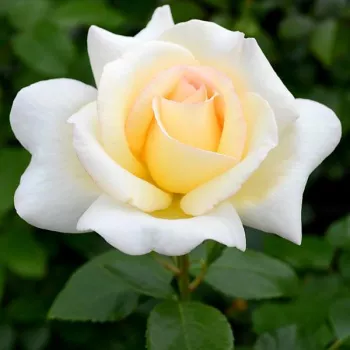
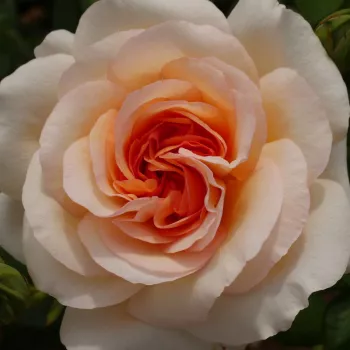
ANASTASIA – cream-coloured tea-hybrid rose - Ghione
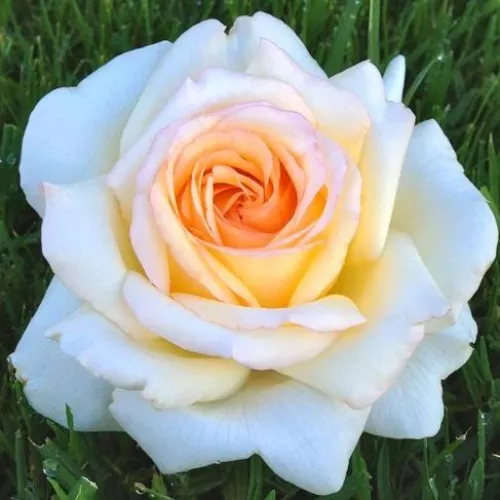
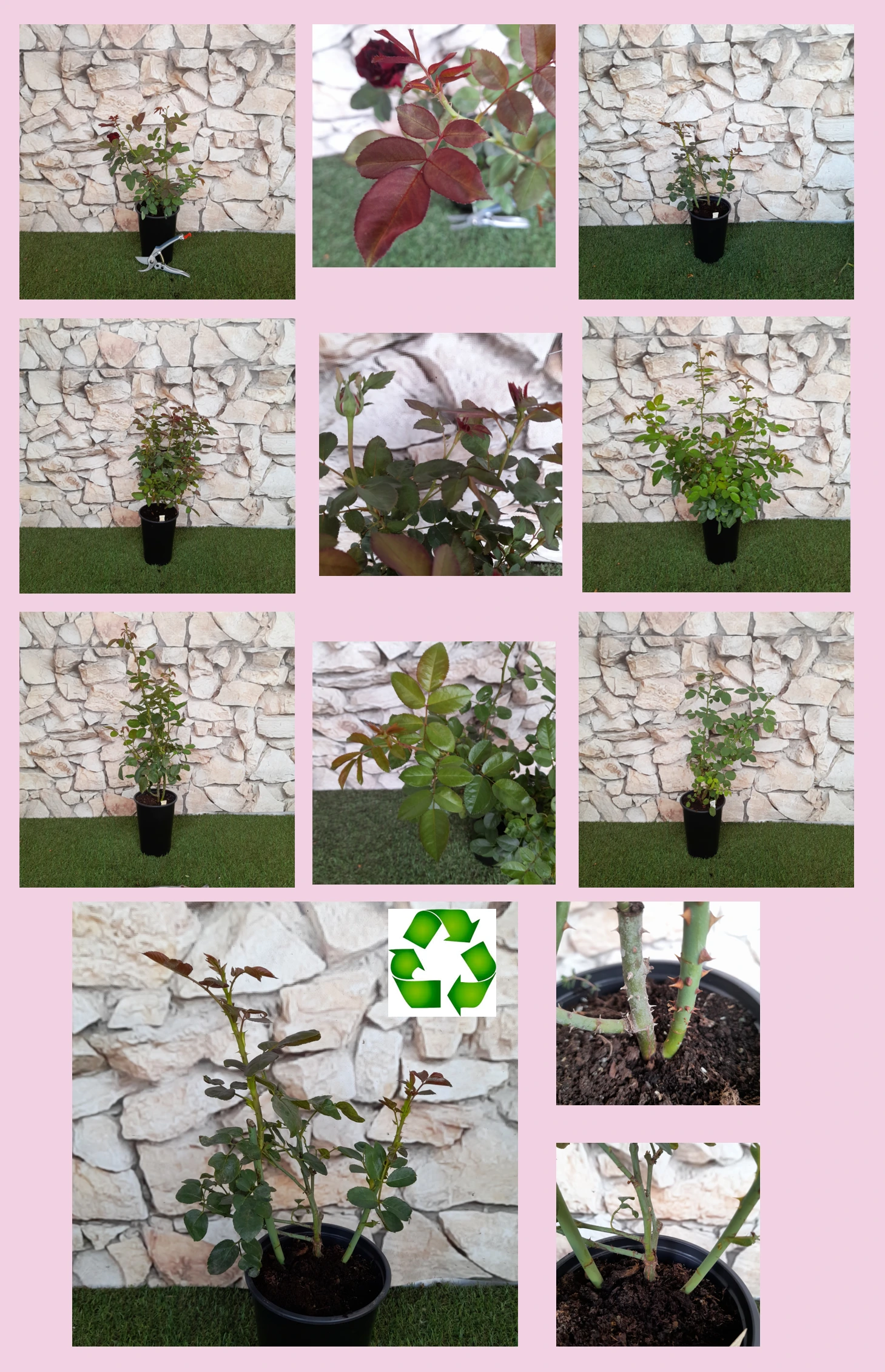
With its tall, upright habit and creamy, high‑centred blooms, ANASTASIA creates a quietly romantic focal point in family gardens, bringing a hint of afternoon‑tea elegance to borders and seating areas. Bred as a classic hybrid tea, it offers long, straight stems ideal for cutting, so you can enjoy its fresh, citrus‑fruity fragrance indoors as well. The dense, glossy foliage gives a smart, structural look even between flushes of flower, especially when planted in raised beds where heavier soils drain more freely and roots stay healthy in wet, windy spells near the coast. As an own‑root rose it is naturally regenerative, rebuilding itself from the base after hard pruning or weather damage for a reassuringly long garden life. In large containers of at least 40–50 litres it becomes a graceful terrace feature, and with the simple rhythm of year‑one roots, year‑two shoots, year‑three full display, ANASTASIA rewards patient, light‑touch gardening with enduring beauty and timeless cottage‑style charm.
Usage options
| Target area | Reasoning |
|---|
| Main rose bed in a family garden |
The tall, upright structure and formal hybrid tea blooms give a clear vertical accent in mixed rose beds, helping smaller shrubs and perennials look more intentional and composed in an everyday family setting, suiting traditional-style homeowners. |
| Cutting patch near the kitchen garden |
Long, straight stems with large, high‑centred flowers are perfect for vases and jugs, allowing you to harvest blooms for the house while still keeping an attractive plant outdoors, ideal for romantic cottage gardeners. |
| Feature rose by a bench or seating area |
The strong, fresh, citrus‑fruity scent is best appreciated up close, so placing ANASTASIA near a favourite chair or bench turns everyday breaks into a scented ritual for afternoon-tea lovers. |
| Raised bed over heavier or clay soils |
Planting in a raised bed with improved drainage helps roots stay healthy and better anchored when weather turns wet and blustery, particularly helpful in gardens that often feel exposed and coastal for weather-aware gardeners. |
| Large container on terrace or patio (40–50 litres) |
In a generously sized pot with quality compost, its upright habit and glossy leaves create a smart, self‑contained feature that is easy to water and tend from the doorstep, well suited to busy urban owners. |
| Own-root renewal planting in established borders |
As an own‑root shrub it regrows from its base after harder pruning or winter damage, so you avoid issues with suckering rootstock and gain a plant that quietly rebuilds itself for long-term planners. |
| Romantic focal point in a cottage-style border |
The milky‑white, creamy‑yellow blooms sit beautifully among foxgloves and airy perennials, giving a soft, storybook look that works from early summer onwards for cottage-border enthusiasts. |
| Low, formal accent along a path or lawn edge |
Dense, dark green, glossy foliage and a relatively narrow spread create a tidy line when several are planted at recommended spacing, framing paths or lawns without overwhelming the space for structure-loving gardeners. |
Styling ideas
- Cottage Border Focus – Combine ANASTASIA with foxgloves and soft blue catmint to emphasise its romantic cream blooms and strong fragrance – ideal for nostalgic cottage‑garden admirers
- Patio Centrepiece – Plant in a 50‑litre terracotta pot with trailing thyme to underline its upright form and glossy foliage – good for terrace and balcony homeowners
- Cutting-Row Classic – Arrange a straight row beside the kitchen garden with easy‑pick access to its long stems – perfect for home flower arrangers
- Fragrant Seating Nook – Flank a garden bench with two plants so their citrusy scent frames your afternoon tea space – suited to relaxation‑seeking garden users
- Structured Path Edge – Repeat‑plant at regular intervals along a path so the neat, dark foliage and elegant blooms define the route – appealing to lovers of orderly, classic layouts
Technical cultivar profile
| Property | Data |
|---|
| Name and registration |
Hybrid tea rose, registered as NIRpwhi, marketed as ANASTASIA Hybrid tea rose NIRpwhi; ARS exhibition name ANASTASIA, a feminine given name used as a cultivar title. |
| Origin and breeding |
Bred by Alessandro Ghione for NIRP International SA from Tanselbon × PEKwhina; raised in France, bred by 1995 or earlier, registered 1995 and introduced commercially from 2001. |
| Growth and structural characteristics |
Upright bush growing about 100–140 cm tall and 55–85 cm wide; dense, dark glossy foliage with relatively sparse prickles; poor self‑cleaning, so spent blooms usually need deadheading. |
| Flower morphology |
Large, double, high‑centred, pointed‑budded flowers with 26–39 petals, typically borne singly on stems; remontant habit with an abundant second flush, suited to cutting and exhibition use. |
| Colour data and phenology |
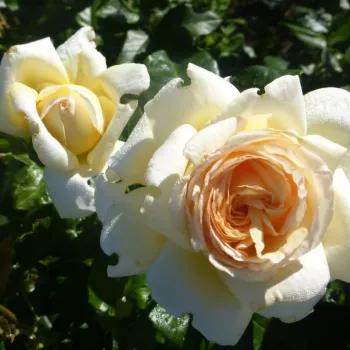
Cream to off‑white flowers with a creamy‑yellow, buttered centre; colour generally holds, though petal edges may brown in strong sun; ARS code W, RHS 155C outer and 11D inner surfaces. |
| Fragrance and aroma |
Strong, noticeable perfume with a fresh, citrusy, fruity character; ornamental rather than bred for essential oils, yet still appreciable at a short distance around paths and seating areas. |
| Hip characteristics |
Forms hips only sparingly; when present, they are ellipsoidal, orange‑red and around 10–14 mm in diameter, typically not a dominant ornamental feature compared with the flowers. |
| Resistance and winter hardiness |
Hardy to about −21 to −18 °C (RHS H7, USDA 6b, Swedish zone 3) but very susceptible to powdery mildew, black spot and rust; regular fungicidal protection is usually necessary. |
| Horticultural recommendations |
Best in sunny positions with free‑draining soil; recommended for beds, specimen planting and cutting gardens; allow about 50–90 cm spacing depending on use, with regular pruning and plant protection. |
ANASTASIA Hybrid tea rose NIRpwhi offers fragrant, romantic blooms on an upright, glossy framework, and as an own-root plant it renews reliably over time, making it a thoughtful choice for long-lived, traditional gardens.