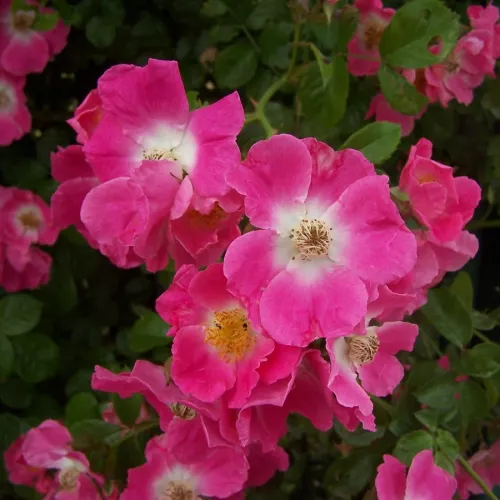
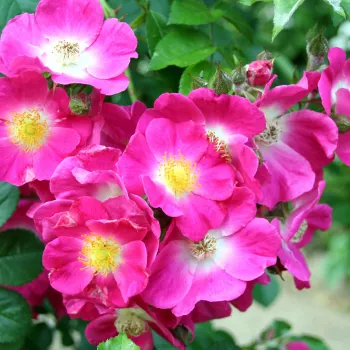
AMERICAN PILLAR – pink rambler climbing rose – Van Fleet
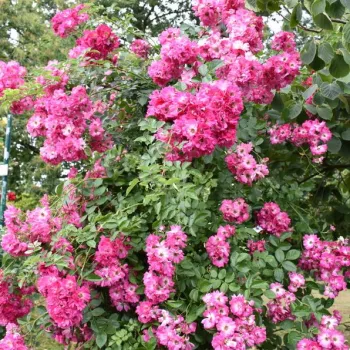
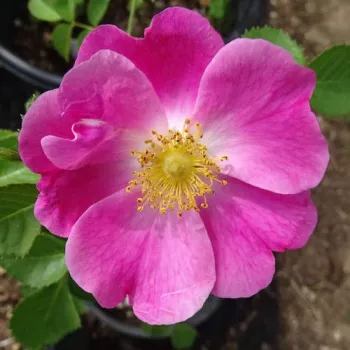
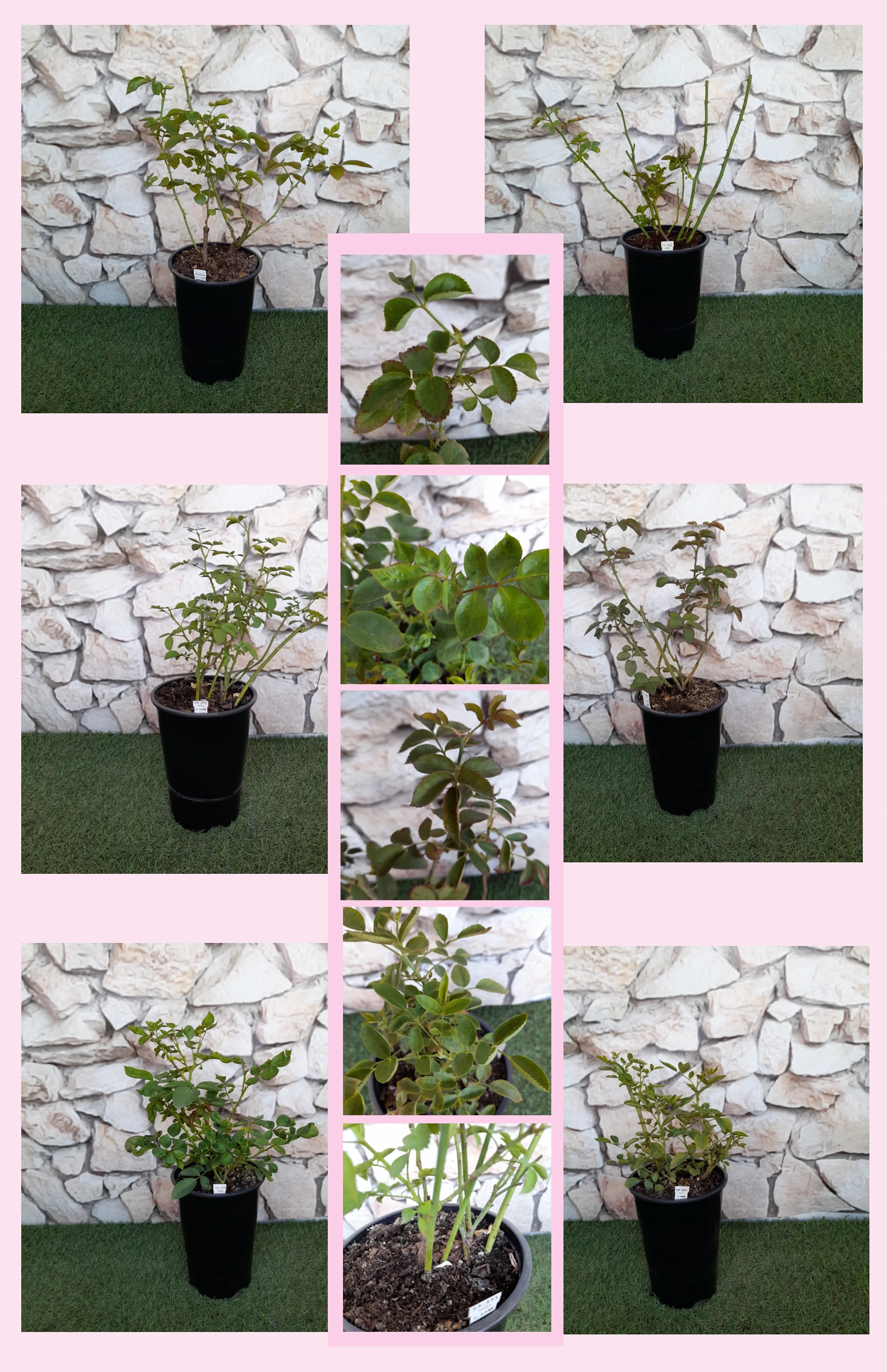
Imagine an old-fashioned garden gate or pergola transformed into a cascade of romantic pink in early summer – this historic rambler wraps walls, arbours and fences in a billow of colour, yet remains reassuringly robust in typical British conditions. Developed for strong growth and good heat tolerance, it copes well with breezy sites and spells of rain where sturdy growth and firm anchoring matter even in exposed corners. Once established, its vigorous, glossy foliage forms a dense green backdrop, then bursts into a cloud of single, cyclamen-pink blooms with a clear white eye that bees adore. After flowering, masses of small red hips provide natural interest well into autumn, giving you a long season of cottage-garden charm from one planting. Supplied in a manageable 2‑litre own-root pot, it settles in steadily over the first years, rewarding patient gardeners with an increasingly impressive pillar of colour and structure that suits family gardens seeking a storybook ambience.
Usage options
| Target area | Reasoning |
|---|
| Family pergola or arbour seating area |
Trained over a pergola or simple timber arbour, its vigorous, climbing habit quickly creates a leafy ceiling and pink curtain of flowers for summer tea or playtime shade. Once it has filled its supports, the framework remains clothed in dense foliage for a secluded, storybook corner, ideal for households wanting a romantic garden room feel for families. |
| Front garden wall or house façade |
With strong, tall canes and good anchoring once rooted, this rambler is well suited to covering house walls, garages or boundary outbuildings, softening brick and render with a traditional cottage look while tolerating wind and wet spells in many UK streets. Over time it becomes a stable, long-lived feature that frames windows and doors attractively for homeowners. |
| Wildlife-friendly boundary fence |
Its single flowers with prominent yellow stamens are very accessible to pollinators in early summer, and later the abundant red hips offer autumn and winter interest, supporting a more naturalistic planting style. Use along a fence with mixed shrubs or hedging to create a loose, wildlife-friendly boundary appreciated by nature-loving gardeners. |
| Large rustic arch in cottage-style border |
This once-flowering rambler delivers a spectacular, concentrated display, ideal as a seasonal highlight over a generous metal or wooden arch surrounded by perennials. Combined with foxgloves and hardy geraniums, the early-summer flush becomes a focal event while maintenance stays modest for time-pressed cottage-style enthusiasts. |
| Screening an overlooked seating corner |
Planted at the back of a small seating nook, its long canes can be fanned out on wires or trellis to build a soft green screen with a romantic pink wave in June, helping to shelter you visually from neighbouring windows. Own-root resilience means it regenerates well if cut back hard, suiting evolving spaces for privacy-seeking residents. |
| Structure in a rural kitchen garden |
Trained along the outside of a fruit cage or along stout posts and wires, it brings nostalgic colour and structure to working plots without demanding complex pruning, and its hips add seasonal character beside vegetables and herbs. Its medium maintenance level is manageable during busy harvest times for practical kitchen-garden keepers. |
| Large container by terrace or courtyard |
In a roomy 40–50 litre container with a sturdy obelisk or fan trellis, this rose can be used to lift eye level on a patio, providing a vertical sheet of blossom and foliage where ground planting is not possible, while own-root strength supports longer-term use in pots for space-conscious terrace owners. |
| Park-style or informal country boundary |
Along a long rural drive or at the edge of a larger garden, plant at wider intervals on posts and wires to create an informal, hedgerow-like ribbon of summer colour that blends well with meadow planting, coping reliably with rain-splashed, breezy conditions valued by country-plot custodians. |
Styling ideas
- Storybook-arch – Train AMERICAN PILLAR over a tall metal arch, underplant with foxgloves, campanulas and catmint for a romantic entrance to a cottage border – ideal for lovers of classic English garden drama.
- Pergola-room – Cover a simple timber pergola above a bench, weaving the canes overhead to form a leafy ceiling, then edge with lavender and thyme – perfect for families wanting a cosy outdoor sitting room.
- Kitchen-rambler – Run it along posts and wires beside raised vegetable beds, mixing with espaliered fruit and herbs to soften structures – suited to home growers who like a productive yet pretty potager.
- Fence-tapestry – Combine along a boundary with clematis and climbing honeysuckle for layered flowering and scent across the season – good for neighbours seeking privacy with a relaxed, wildlife-friendly look.
- Court-yardpillar – Grow in a 40–50 litre container with a sturdy obelisk, pairing with terracotta pots of rosemary and hardy geraniums – a flexible choice for busy urban gardeners wanting vertical colour.
Technical cultivar profile
| Property | Data |
|---|
| Name and registration |
AMERICAN PILLAR – pink rambler climbing rose – Van Fleet; rambler, Hybrid Wichurana, exhibition climbing rose for walls, pergolas and arbours; unregistered cultivar in current trade use. |
| Origin and breeding |
Bred by Walter Van Fleet in the United States around 1902 from Rosa wichuraiana × Rosa setigera × unknown seedling; introduced 1908 by Conard & Jones Co. for the US Department of Agriculture. |
| Awards and recognition |
Recognised in American Rose Society climber classes, including awards at Charleston and Philadelphia Rose Society Shows in 2000, and Columbus Rose Society Show in 2001 as an exhibition climbing rose. |
| Growth and structural characteristics |
Very vigorous climbing habit reaching about 5–7 m high with 2,5–4 m spread; dense, glossy dark green foliage on well-armed, thorny canes; good self-cleaning with hips remaining after petal fall. |
| Flower morphology |
Single, flat flowers with 5–12 petals in generous clusters, medium-sized at roughly 4–7 cm across; once-flowering rambler giving one main early-summer flush rather than repeat blooms later in the season. |
| Colour data and phenology |
Intense cyclamen-pink blooms with a white eye and yellow stamens; colour lightens to pale pink as flowers age, while the white centre remains visible; colour retention medium with a striking early-summer display. |
| Fragrance and aroma |
Fragrance very weak, with only a slight fruity character in warm conditions; chosen primarily for its visual effect and massed flowering, plus pollinator-friendly open centres rather than for strong scent. |
| Hip characteristics |
Produces numerous small spherical red hips about 8–12 mm in diameter which follow the summer flowering and provide bright seasonal interest into autumn, enhancing wildlife and informal planting schemes. |
| Resistance and winter hardiness |
Hardy to approximately −26 to −23 °C (RHS H7, Swedish Zon 4, USDA 5b); good heat and moderate drought tolerance with watering in long dry spells; resistant to powdery mildew, moderate for black spot and rust. |
| Horticultural recommendations |
Best on fences, walls, pergolas and arbours at 2,4–4 m spacing; suitable for partial shade and informal hedging; medium maintenance, with basic training, occasional pruning and periodic pest and disease checks. |
AMERICAN PILLAR offers vigorous coverage, strong seasonal impact and attractive hips, while its own-root form supports reliable long-term growth and easier renewal; an excellent choice if you would like a traditional rambler with character.