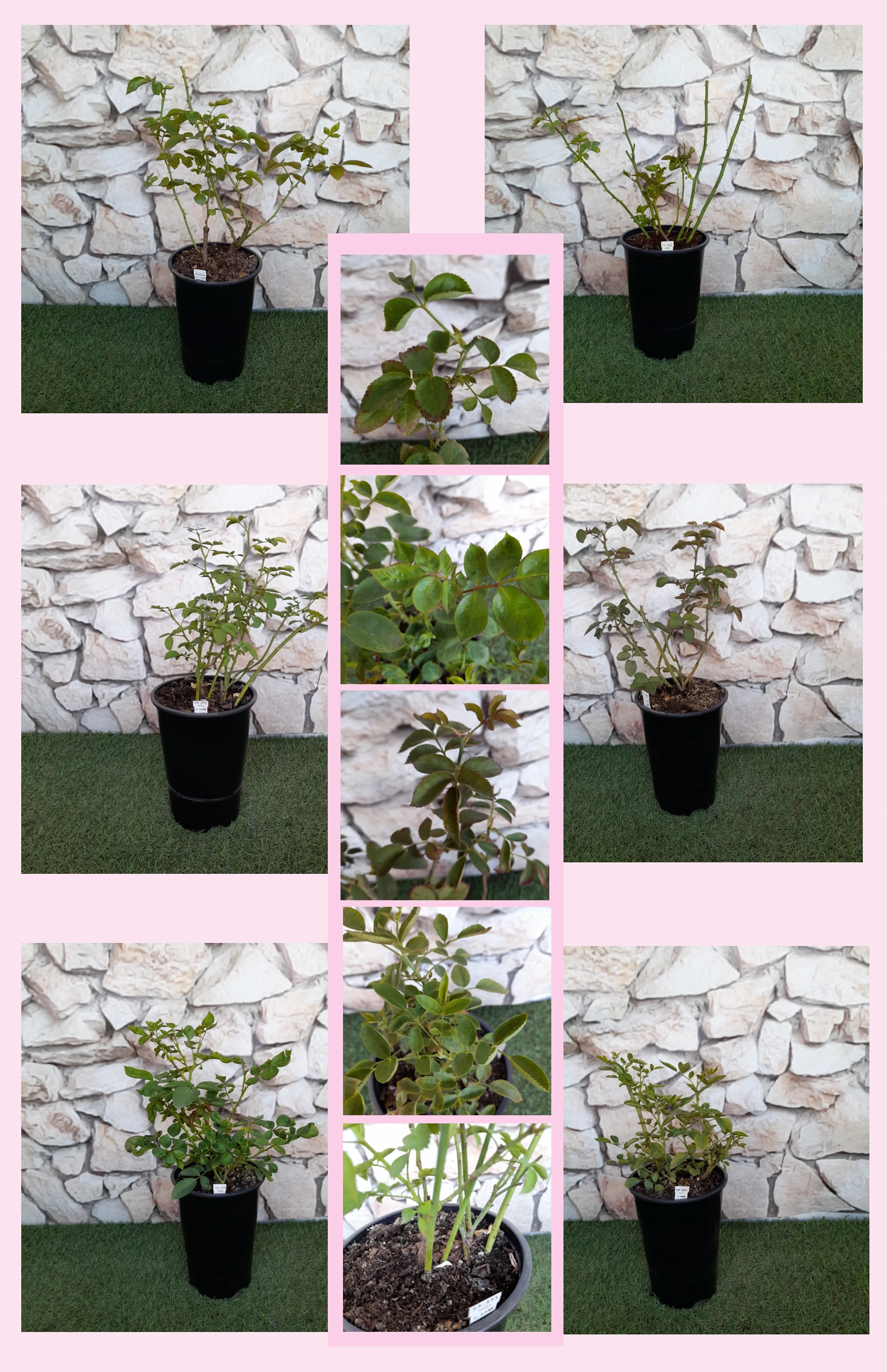
AMERICAN HOME™ – dark red hybrid tea rose - Morey
Plant AMERICAN HOME™ once and enjoy its enduring presence as a reliable, own‑root rose that settles in steadily and rewards you with season‑long, strongly scented blooms. This upright, elegant hybrid tea carries large, dark ruby‑red flowers that deepen to velvety burgundy, creating a classically romantic focal point beside a terrace, path or lawn. Its good resilience in damp, cool spells makes it particularly suitable for British family gardens where blustery showers and overcast days are frequent. Low maintenance needs and strong disease resistance keep care pleasantly manageable, while the tidy, vertical habit is easy to accommodate in smaller beds or narrow borders. As an own‑root plant it is long‑lived, capable of renewing growth from the base, so your investment matures over time and becomes a permanent part of your garden’s structure. In a large container of at least 50 litres it offers a refined, space‑saving centrepiece for patios and town gardens, and in mixed cottage plantings it partners beautifully with soft perennials for a nostalgic, romantic afternoon‑tea atmosphere.
Usage options
| Target area | Reasoning |
|---|
| Feature rose near terrace or seating area |
Large, solitary hybrid tea blooms on tall, upright stems make AMERICAN HOME™ an immediately legible focal point from a chair or kitchen window. The strong, long‑lasting fragrance settles around outdoor seating, giving everyday meals and weekend tea a quietly luxurious feel without demanding complex care, ideal for those who want classic garden glamour with minimal effort for the busy homeowner. |
| Romantic cottage‑style border in small to medium gardens |
The dark, velvety red flowers read beautifully against hedging, herbs and cottage perennials, bringing depth and a storybook character to modest‑sized borders. Planted at about 65 cm intervals, the upright plants form a loose row that integrates easily with existing shrubs. Own‑root plants establish steadily, with roots in the first year, stronger top growth in the second, and full ornamental impact by the third, well suited to the patient cottage‑garden lover. |
| Low‑maintenance family front garden |
Good resistance to black spot, mildew and rust helps keep the foliage attractive even in humid, changeable weather, reducing the need for spraying or complicated routines. Once planted at the recommended spacings and mulched, AMERICAN HOME™ mainly requires basic watering and an annual prune, making it a sensible choice where time is limited yet a smart, traditional look is desired by the time‑pressed family. |
| Cutting bed for home flower arranging |
The variety’s extra‑large, high‑centred blooms on long, straight stems lend themselves to cutting for vases and informal arrangements. The petals hold their dark colour well indoors, while the strong fragrance enriches hallways and dining rooms. With remontant flowering, you can cut regularly through the season and still retain garden display, rewarding the creative home arranger. |
| Specimen planting as a vertical accent |
Reaching around 130–170 cm with an upright habit, AMERICAN HOME™ naturally forms a vertical line that breaks up flat lawn edges or fence runs. As an own‑root plant it can regenerate from the base after harder pruning, keeping the specimen youthful and in proportion to its space over many years, an advantage where long‑term structure matters to the garden planner. |
| Large container on patio, balcony or roof terrace |
When planted in a quality compost mix in a pot of at least 50–60 litres, this rose builds a stable root system and presents its stems neatly upward, ideal where ground planting is limited. Regular watering and a simple annual feed are usually sufficient to maintain flowering, giving a contained but opulent display suited to the urban gardener. |
| Mixed planting with wildlife‑friendly edging |
Although its double blooms are only modestly attractive to pollinators, AMERICAN HOME™ combines well with low, nectar‑rich companions such as sweet alyssum or annual lobelia, creating a layered border that looks cared‑for and gently supports local insects. The rose itself offers long‑term structure among these seasonal plants, satisfying the nature‑conscious family. |
| Traditional rose border in cooler, damp‑summer regions |
Good disease resistance helps the foliage remain clean even under high fungal pressure, which is valuable in areas with frequent rain and overcast skies. This resilience keeps the border looking intentional rather than tired, while own‑root durability provides a stable background for changing perennials, an appealing quality for the practical homeowner. |
Styling ideas
- Evening-terrace – Place AMERICAN HOME™ near a seating corner with lanterns and pale cushions, letting its dark, fragrant blooms stand out at dusk – perfect for relaxed after‑work moments for couples.
- Cottage-ribbon – Thread a loose row through a cottage border with sweet alyssum and airy annual lobelia to soften the strong red while keeping maintenance simple – ideal for lovers of informal English charm.
- Patio-centrepiece – Grow a single plant in a 50–60 litre clay pot flanked by low grasses such as blue sedge for a smart, upright accent – suited to compact patios and small urban gardens.
- Cutting-corner – Dedicate a sunny bed with AMERICAN HOME™ as the backbone, interplanted with seasonal fillers for cutting, so you can bring perfumed, velvety stems indoors all summer – appealing to home florists.
- Front-garden – Use two or three plants by the path with evergreen structure behind, where their long season and tidy habit give a welcoming, traditional look – just right for busy families wanting polish with little effort.
Technical cultivar profile
| Parameter | Data |
|---|
| Name and registration |
AMERICAN HOME™ hybrid tea rose; ARS exhibition name American Home. Commercially marketed hybrid tea; unregistered cultivar name, verified authenticity and premium garden quality for consumer use. |
| Origin and breeding |
Bred by Dennison H. Morey Jr. for Jackson & Perkins Co., USA. Cross of ‘Chrysler Imperial’ × ‘New Yorker’. Introduced 1960 in the United States and 1963 in Australia for garden and exhibition use. |
| Growth and structural characteristics |
Upright hybrid tea reaching about 130–170 cm high, spreading 75–105 cm. Moderately dense, dark green, slightly glossy foliage; moderately thorny stems; forms a distinct vertical accent suitable for borders or specimens. |
| Flower morphology |
Large, double blooms with 26–39 petals, typically borne singly on stems. Cup‑shaped flowers with a pronounced, medium‑high, exhibition‑style centre; remontant, with a particularly abundant second flush in suitable conditions. |
| Colour data and phenology |
Deep dark red flowers; buds dark crimson nearing black. Newly opened blooms rich ruby red, maturing to velvety burgundy with carmine base and mahogany‑red tones before fading; colour retention very good with only moderate dulling. |
| Fragrance and aroma |
Strong, long‑lasting scent with a deep, slightly sweet character characteristic of classic hybrid teas. Provides a noticeable fragrance around seating areas and is well suited to cutting for perfumed indoor arrangements. |
| Hip characteristics |
Due to the full, double flowers, rosehip formation is sparse; any hips produced are typically small, around 0–10 mm diameter, with limited ornamental or wildlife value compared with single or semi‑double cultivars. |
| Resistance and winter hardiness |
Rated resistant to powdery mildew, black spot and rust under typical garden conditions. Hardy to approximately −21 to −18 °C (RHS H7; Swedish Zone 3; USDA 6b), suitable for most UK regions with standard winter protection practices. |
| Horticultural recommendations |
Best in full sun with fertile, well‑drained soil; avoid waterlogging on heavy clay by improving drainage or using raised beds. Plant 55–100 cm apart depending on use; prune annually and feed to support repeat flowering and vigour. |
AMERICAN HOME™ offers velvety dark-red, strongly scented blooms on an upright, long-lived, disease-resilient own-root plant that suits today’s smaller family gardens; a thoughtful choice if you value dependable beauty with modest upkeep.