AMBROISE PARÉ – pink historical Gallica rose - Vibert
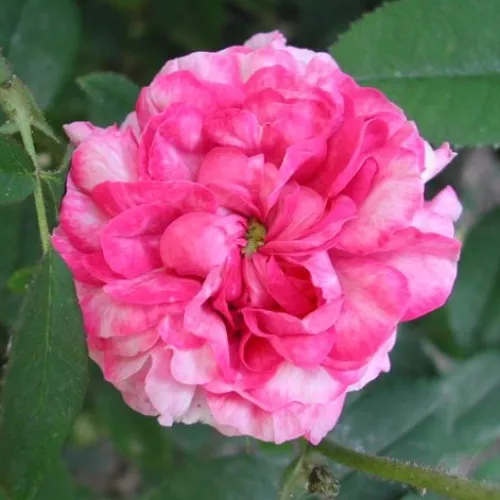
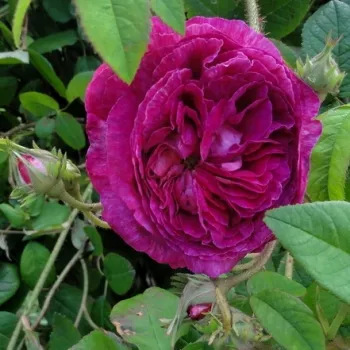
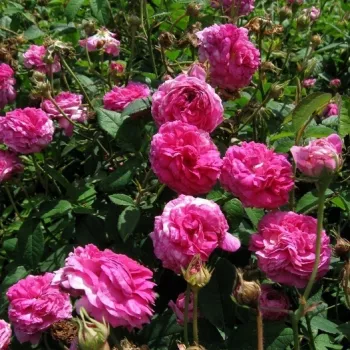
Step into a romantic, storybook corner of the garden with AMBROISE PARÉ, a heritage Gallica rose that lends instant period charm to cottage borders and kitchen plots. Its bushy, upright structure forms a leafy backdrop for richly marbled lilac‑pink blooms, filling the air with a strong, spicy fragrance during its once‑a‑year summer display. This own‑root shrub establishes steadily, building longevity and the ability to regrow from its own base after harsh winters or pruning mistakes, giving you a reassuringly long‑lived presence in a family garden. Well suited to a traditional hedge or specimen in average UK soils, it copes reliably even where gardens feel exposed to frequent winds and summer showers by holding its shape and ornamental value. Good self‑cleaning flowers reduce deadheading chores, while medium maintenance needs are easily managed with simple seasonal care. Ideal for informal, “girly” cottage schemes, it partners beautifully with low evergreens and groundcovers, creating cosy summer afternoons around patios, arbours and lawns.
Usage options
| Target area |
Reasoning |
| Feature shrub near seating or an arbour |
The tall, bushy habit and once‑a‑year flush of richly marbled pink blooms create a classic focal point beside benches and arbours, combining visual impact with a strong, spicy scent for relaxed afternoon tea settings – ideal for the romantic cottage‑garden homeowner |
| Loose flowering hedge along a garden boundary |
Planted at hedge spacing, the upright, well‑branched framework forms a characterful, moderately dense barrier that softens fences while remaining easy to understand and prune, with the own‑root base giving dependable regrowth and long hedge life – suited to low‑maintenance boundary‑conscious families |
| Mixed cottage border with perennials and herbs |
Its historic character and mid‑green foliage weave naturally into mixed borders, while once‑blooming clusters pair well with perennials for continuous colour; own‑root resilience supports a stable, long‑term structure with minimal replacement – perfect for relaxed cottage‑style gardeners |
| Specimen shrub in a lawn or open bed |
Given room at specimen spacing, the rounded, upright form becomes an architectural highlight even when not in flower, with good self‑cleaning meaning the plant remains tidy without frequent deadheading, supporting an easy‑care yet formal lawn centrepiece – appealing to time‑pressed garden‑proud owners |
| Traditional rose walk or period garden feature |
The historical Gallica character, strong perfume and richly patterned petals suit restoration or vintage‑inspired schemes, creating a sense of authenticity; the long‑lived own‑root form helps maintain design continuity across many years – ideal for heritage‑minded rose enthusiasts |
| Partial shade within a small family garden |
Suitable for partial shade, it can brighten the edges of taller plantings or buildings where full sun is limited, maintaining reasonable flowering and foliage density while remaining manageable in size – a practical solution for urban or overlooked garden residents |
| Informal rose and shrub border on exposed plots |
The bushy structure and moderate disease resistance help it retain an attractive outline in typical British mixed weather, offering reliable form even in gardens that feel open to persistent breezes and regular rain off the sea – reassuring for coastal or weather‑aware buyers |
| Low‑maintenance, long‑term planting plan |
Medium maintenance needs, own‑root durability and good winter hardiness allow it to form part of a planting that matures slowly and steadily, offering a once‑a‑year highlight without complex pruning, fitting busy lifestyles over the long term – well matched to planning‑conscious casual gardeners |
Styling ideas
- Cottage-hedge – Plant a loose row and underplant with Lonicera nitida ‘Maigrün’ for a soft, layered boundary with strong scent in early summer – for families wanting a traditional, flowery edge.
- Arbour-focus – Place AMBROISE PARÉ near a simple wooden seat, framing it with lavender and catmint for a fragrant, romantic nook – for homeowners seeking a cosy afternoon tea corner.
- Kitchen-border – Combine with herbs, foxgloves and old‑fashioned annuals to link ornamental beds to a rural kitchen garden – for those who love a storybook, productive plot.
- Heritage-island – Use it as the central shrub in a small island bed, ringed with Pachysandra and Waldsteinia for year‑round groundcover – for gardeners who enjoy discreet, classical structure.
- Shady-corner – Set in light, dappled shade with ferns and shade‑tolerant perennials where stronger roses might struggle – for urban garden owners making the most of limited sun.
Technical cultivar profile
| Parameter |
Data |
| Name and registration |
Historical Gallica rose marketed as AMBROISE PARÉ – Heritage rose – Vibert; unregistered cultivar with American Rose Society exhibition name Ambroise Paré used internationally. |
| Origin and breeding |
Bred by Jean‑Pierre Vibert in France around 1845, introduced 1846; parentage unknown but classified within the Gallica/Provins group of historical roses. |
| Growth and structural characteristics |
Bushy, upright shrub reaching approximately 150–210 cm in height and 80–120 cm spread, with moderately dense, matt mid‑green foliage and a densely thorned framework. |
| Flower morphology |
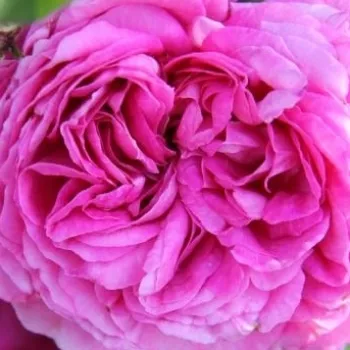
Medium‑sized, very double, rosette‑shaped clustered blooms with over 40 petals; non‑remontant once‑flowering habit providing a concentrated main flush in early summer. |
| Colour data and phenology |
Vivid lilac‑pink blooms marbled and veiled with mauve and lighter bands; colour softens and may lighten significantly in strong sun towards the end of the flowering period. |
| Fragrance and aroma |
Distinct, strong spicy rose scent characteristic of classic Gallica types; good for adding fragrance to seating areas, paths and traditional cottage or period garden settings. |
| Hip characteristics |
Poor hip set expected due to very double flowers; occasional bright red, spherical hips around 10–15 mm diameter may form, adding modest late‑season decorative interest. |
| Resistance and winter hardiness |
Hardy to about −32 to −29 °C (H7, USDA 4b, Swedish zone 5); disease profile moderate overall, generally resistant to black spot but with some susceptibility to mildew and rust. |
| Horticultural recommendations |
Well suited to flowerbeds, parks and specimen use; medium maintenance with periodic pest and disease checks; plant at 85–170 cm depending on hedge, mass or specimen spacing. |
AMBROISE PARÉ offers a tall, long‑lived, own‑root historical shrub with strong fragrance and a once‑a‑year flush of richly patterned pink blooms, an evocative choice for those who value easy romance in the garden.