Climbing and rambling roses

90-093-1
90-093-2

Alexander MacKenzie

Climbing rose

- – Felicitas Svejda

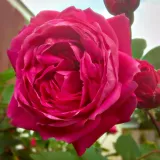
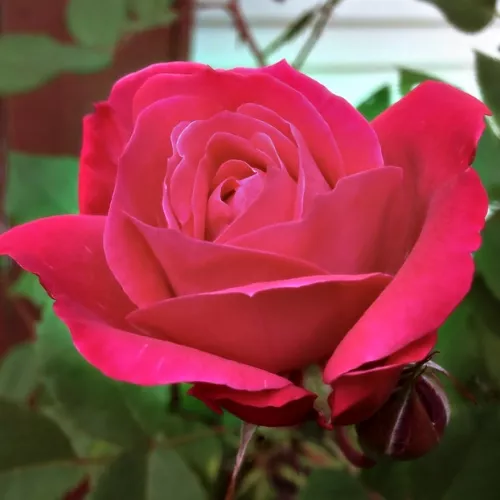
Uniform, intense raspberry-pink shade with a vivid scarlet overtone in the light. - climber, climbing rose - medium-strength, clearly scented rose - delicately fruity character

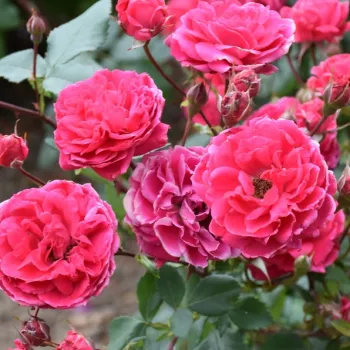
– Rich raspberry-pink clusters, very double blooms
– Upright, tall habit for arches and walls
– Reliable remontant flowering with strong second flush
– Medium, delicately fruity fragrance
– Extremely hardy, tolerates down to –37 °C
Special feature: Bred by Felicitas Svejda for tough Canadian climates, combining showy colour with exceptional cold resistance.
Neat composition – Future-proof garden concept
Alexander MacKenzie
darinaROSE® ORIGINAL 2-litre own-root potted rose
23,10 £
Unfortunately, we are currently unable to ship to the United Kingdom; we only deliver to countries within the European Union. For more information, please contact us!
5 (6713)
facebook   twitter

ALEXANDER MACKENZIE – pink climbing rose – Svejda

If you dream of relaxed afternoons under an arbour, ALEXANDER MACKENZIE gives you a naturally romantic canopy of raspberry-pink blooms, turning a simple seating area into a storybook hideaway. As a container-grown, own-root rose, it arrives already established, so planting is straightforward even where soil is testing, gently coping with breezier, wetter conditions near exposed plots. Over time, its upright, shrubby climbing habit creates a structured backdrop for cottage borders, while medium-sized, double clusters provide a continuous rhythm of colour across the season. The clear, fruity fragrance is strong enough to notice, yet never overwhelming at close quarters on a family terrace. Thoughtfully spaced along a fence or arch, it helps define intimate garden rooms, pairing beautifully with soft perennials for a “girly” English-countryside feel. Own-root vigour supports long-term renewal and reliable regrowth from the base, so an initial season of rooting leads to stronger shoots in the second year and a fully developed, ornamental display by the third.


Usage options

Target areaReasoning
Climbing rose for arches and arbours ALEXANDER MACKENZIE naturally combines an upright, shrubby framework with long flowering stems, ideal for training over arches or a light arbour without demanding specialist pruning. Medium-sized, double clusters repeat through summer, creating a dense veil of colour that enhances afternoon seating areas and play spaces alike, suiting family gardeners.
Romantic cottage-style boundary or screen Planted at the recommended spacing, this tall, dense climber forms a leafy, flower-studded screen, softening fences and separating garden “rooms” in smaller plots. Its glossy mid-green foliage and raspberry-pink blooms deliver classic cottage charm along driveways or between neighbours, a traditional look appreciated by cottage-style lovers.
Feature rose in mixed cottage border Used as a vertical accent at the back of a border, its strong height and neat, upright habit provide structure for looser cottage plantings. The rich pink colour partners well with whites, blues and lilacs, while own-root growth supports a long-lived framework that can be refreshed by pruning, appealing to hobby gardeners.
Own-root climber for long-term garden projects As an own-root plant, this rose does not depend on a graft union, so it tends to regenerate reliably from the base if cut back hard or affected by winter damage. With patient basic care, it matures from first-year rooting to stronger second-year growth and a full ornamental effect by year three, reassuring long-term planners.
Climber for coastal-leaning, breezier gardens The sturdy, upright habit and firm stems help it anchor well when tied to supports, so it copes with exposed aspects where wind can be an issue. In typical British conditions with reliable moisture, it settles into fences and pergolas, gradually forming a stable presence valued by practical homeowners.
Large-container rose for patios and terraces Where borders are limited or soil is heavy, this climber can be grown in a generous 40–50 litre container with a quality compost mix, then trained up a trellis or obelisk. Container culture also makes watering and feeding easier to manage for busy schedules, a solution many urban gardeners appreciate.
Fragrant seating-area companion The medium, clearly noticeable scent with a delicately fruity character is well suited to spots where you sit close to the plant, such as near benches, pergolas or terrace railings. The repeated flushes of bloom carry the fragrance through much of the season, rewarding tea-time romantics.
Structured planting in managed family gardens Despite requiring regular health checks and timely protection to keep foliage attractive, its predictable height, spread and flowering pattern make planning easy in designed beds and along formal lines. Used with consistent care, it offers long-lasting framework planting for detail-conscious owners.

Styling ideas

  • Storybook Arbour – Train ALEXANDER MACKENZIE over a simple wooden arch, underplanting with soft Campanula and pale foxgloves to frame a small bistro set – for tea-in-the-garden romantics.
  • Cottage Boundary – Space several plants along a sunny fence, weaving stems through wires and mixing in Liriope and catmint at the base – for families wanting a traditional, flowery screen.
  • Patio Trellis – Grow one plant in a 40–50 litre pot with quality compost and a slim obelisk, pairing with lavender in nearby containers – for balcony and terrace gardeners seeking height.
  • Kitchen-Garden Edge – Use as a flowering backdrop to raised vegetable beds, interplanting with herbs and low, white-flowering groundcovers for a neat, productive feel – for rural kitchen-garden keepers.
  • Front-Garden Feature – Place a single specimen by the front door on a wall-mounted trellis, combined with soft pinks and whites in the border below – for homeowners aiming for welcoming cottage charm.

Technical cultivar profile
ParameterData
Name and registration ALEXANDER MACKENZIE – pink climbing rose – Svejda; ARS exhibition name A. Mackenzie; climber–shrub type; part of the Climbing rose collection for garden and landscape use.
Origin and breeding Bred by Felicitas Svejda at Agriculture and Agri-Food Canada from ‘Queen Elizabeth’ × (‘Red Dawn’ × ‘Suzanne’); introduced and registered in 1985, reflecting hardy Canadian breeding lines.
Growth and structural characteristics Vigorous, upright shrub–climber reaching about 180–300 cm in height and 150–250 cm spread, with dense, glossy mid-green foliage and moderate prickliness; weak self-cleaning, spent blooms need removing.
Flower morphology Medium-sized, very double, globular to pompon flowers in clusters, typically 40 or more petals; remontant with a good second flush, creating generous flowering waves across the main growing season.
Colour data and phenology Intense raspberry-pink with scarlet overtones; buds dark carmine-crimson, softening in sun to mid-deep pink; RHS 53A outer, 46B inner; colour lightens gradually yet remains decorative until petal fall.
Fragrance and aroma Noticeable, medium-strength scent with a delicately fruity character; pleasant at close range without being overpowering, particularly effective around seating areas and paths where air movement is gentle.
Hip characteristics Occasionally forms ovoid orange-red hips, around 15–25 mm in diameter, adding seasonal interest in late summer and autumn; not strongly prolific, but decorative where present on less heavily deadheaded shoots.
Resistance and winter hardiness Very hardy, tolerating approximately −37 to −34 °C (USDA 3b, RHS H7, Swedish Zone 6); however, highly susceptible to black spot, powdery mildew and rust, so regular preventative plant protection is advised.
Horticultural recommendations Best in full sun with supportive training; recommended spacings: 140 cm for massed or hedge planting, 220 cm as a specimen; prefers well-prepared soil with reliable watering during prolonged dry periods.

ALEXANDER MACKENZIE offers romantic raspberry-pink clusters, a strong, structured climbing habit and medium fruity scent, all in a durable own-root form that rewards patient, regular care; a considered choice for long-lived cottage-style planting.

Detailed product attributes

Product Identification Data

Product Name: ALEXANDER MACKENZIE – pink climbing rose - Svejda
Product Type: darinaROSE® ORIGINAL - 2-litre own-root potted rose
Cultivar Authenticity: Verified:01.03.2025
Cultivar Quality Rating: premium silver
Item Number: [1443] 90-093 (14.02.2026) darinarose.co.uk

Name and Registration

Meaning of Cultivar Name: The name honours Sir Alexander Mackenzie, a Scottish–Canadian explorer who was the first to reach the Pacific Ocean by crossing the North American continent.
Cultivar Synonym: A. Mackenzie
Original Trade Name: Alexander MacKenzie
Current Trade Name: Alexander MacKenzie Climbing rose Svejda
Rose Group: Climber, Shrub
Commercial Type: climber, climbing rose
Commercial Group: Climbing rose
Exhibition Category: shrub rose
Collection: Climbing rose

Origin and Breeding

Initial Distributor: Agriculture and Agri -Food Canada (Canada)
Breeder: Felicitas Svejda
Breeding Company / Institution: Agriculture and Agri-Food Canada, Central Experimental Farm (Ottawa)
Breeding Year: -, 1985
Parentage: ‘Queen Elizabeth’ × (‘Red Dawn’ × ‘Suzanne’)

Growth and Structural Characteristics

Height: 5.9-9.8ft (180-300 cm)
Spread: 4.9-8.2ft (150-250 cm)
Growth Habit: upright
Foliage: The variety has dense foliage. Its leaves have a glossy surface and a mid-green shade.
Prickliness: moderately spiny
Self-Cleaning Description: The majority of spent flowers remain on the plant and require subsequent cleaning.
Self-Cleaning Intensity: Self-cleaning: weak

Flower Morphology

Flower Fullness: very double-flowered
Flower Shape: globular, pompon
Flower Size: M (1,5-2,75 in)
Inflorescence Type: cluster-flowered
Colour Code: ARS code: RB RHS code: 53A (outer), 46B (inner)
Repeat Flowering: Remontant and produces an abundant second flowering.

Colour Data and Phenology

Colour: pink
Flower Colour Description: Uniform, intense raspberry-pink shade with a vivid scarlet overtone in the light.

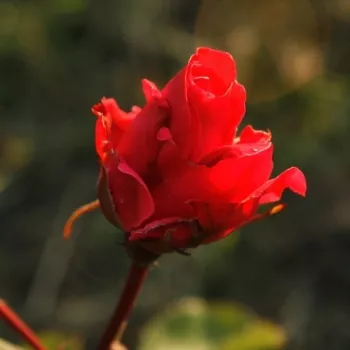
Closed Bud: Dark carmine–crimson, velvety texture, with a deeper tone at the edge.
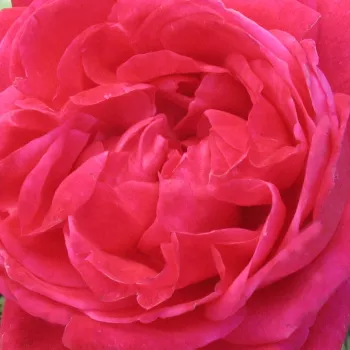
Newly Opened Flower: Rich fuchsia–raspberry-pink centre, with a fuller inner tone and a slightly darkening carmine outer rim.
Full Bloom: Uniform mid-deep raspberry pink, the outer petal whorl is in places more burgundy, with a cool purplish tone in shade.
Before Fading: The crimson shade softens and lightens, fading to a raspberry-pink with a fine powdery bloom.
Colour Fading Description: In strong sunlight the deep red shade may lighten to pink.

Fragrance and Aroma

Fragrance Strength: medium-strength, clearly scented rose
Fragrance Character: delicately fruity character
Pollinator Attraction: Double (26–39‑petalled) flowers have limited appeal to pollinators because the full flower form restricts stamen accessibility, reducing their attractiveness.
Pollinator-Friendly Rating: Double (26–39 petals) flowers partially cover the stamens, so its pollinator-friendliness is limited and it is primarily an ornamental variety.

Hip Characteristics

Hip Shape: ovoid
Hip Colour: orange-red
Hip Comment: Occasionally produced, 15–25 mm in diameter, ovoid, orange-red rose hip.

Resistance and Hardiness

Hardiness (°C): -37–-34 °C
Heat and Drought Tolerance Description: Tolerates heat well; requires watering during prolonged dry spells.
Disease Resistance: very susceptible
  • powdery mildew – very susceptible
  • black spot – very susceptible
  • rust – very susceptible

Horticultural Recommendations

Recommended Planting Distance: 140 cm for mass planting, 140 cm for hedging, 220 cm as a specimen
Planting Density: in square planting 0,5 plants/m², in hexagonal arrangement 0,6 plants/m²
Partial Shade Tolerance: Preferably for sunny locations
Maintenance Requirement: High; low disease resistance, regular plant protection required.
Primary Uses: park, specimen, hedging, climbing, urban green space, border

Comments

Strengths: Neat composition – Future-proof garden concept
Companion Plants: Campanula portenschlagiana - Dalmatian bellflower Liriope muscari - lilyturf Pachysandra terminalis - Japanese spurge
Comment: -
ALEXANDER MACKENZIE – pink climbing rose - Svejda
Uniform, intense raspberry-pink shade with a vivid scarlet overtone in the light. - climber, climbing rose - medium-strength, clearly scented rose - delicately fruity character
Online rose order - climber, climbing rose - Alexander MacKenzie - pink - (5.9-9.8ft (180-300 cm))
Inflorescence: cluster-flowered Height: 5.9-9.8ft (180-300 cm) Flower shape: globular, pompon Winter hardiness: 4b pink - Agriculture and Agri -Food Canada (Canada) climber, climbing rose - Flower size: M (1,5-2,75 in) Flower size: M (1,5-2,75 in) - Height: 5.9-9.8ft (180-300 cm) Height: 5.9-9.8ft (180-300 cm) - Flower fullness: very double-flowered Alexander MacKenzie - Roses in the garden | darinaROSE® Original - premium silver Felicitas Svejda

We showcase the external appearance of the roses available for online purchase from our webshop.


Which product type is right for you?


Information

In what condition do we send the rose from our online webshop?

Let us ask ourselves the question: What do I want to use the rose for?
Flower? - Location? - Cover? - Fragrance? - Height? - Breeder? - Rose hips?

Rose purchase information
Methods of payment - Delivery charges - Delivery - Complaints handling

Care guide

Our product is a rose grown with pharmaROSA®’s unique cultivation technology!

2-litre, own-root, potted rose.
With a shoot system appropriate to the season.
With a root system that thoroughly permeates the growing medium.
Quality compliant with the requirements of the E.N.A. (European Nurserystock Association).
Supplied in unique packaging that prevents damage.
Can be planted during frost-free periods.
True-to-variety rose bush with a unique identifier.

The pharmaROSA® own-root potted rose is a well-rooted plant that supports reliable establishment when planted and cared for properly, so it can be planted whenever the soil is not frozen.


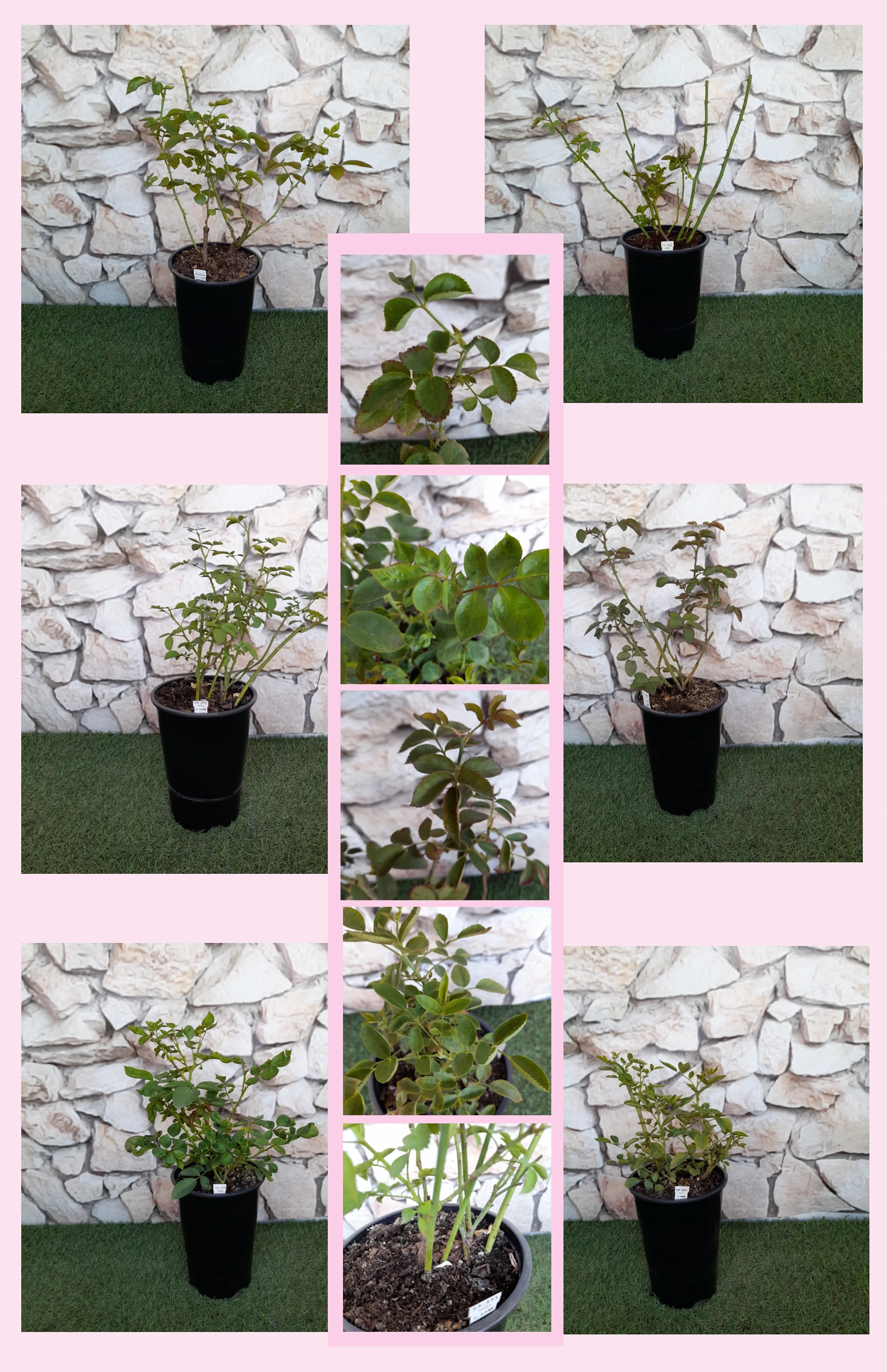
Crop overview: several varieties and growth stages in a short crop section.
Shoot system: intensive growth of fresh basal shoots on a young plant.
Root system: demonstration of a vigorous root system permeating the growing medium, by removing the pot.
Balance: mature plant with root system and shoots in harmony with each other.

Information about the videos
The video series is not a “seasonal showcase”; it illustrates the essence of pharmaROSA® own-root cultivation in a tangible way: how the plant is built up, what the root system is like and how the shoot system regenerates. The recordings were therefore made at different times and with plants at various stages of development, so mixed foliage levels and differing stages of growth may appear in the videos. They are not a ‘sample’ of the batch dispatched, but a visual explanation of how the technology works. The current condition of the rose available to order — typical for the given period and similar to what you can expect to receive in the parcel — is shown in the upper part of the product page.

pharmarosa.atpharmarosa.compharmarosa.depharmarosa.ropharmarosa.sipharmarosa.skpharmarosa.hrpharmarosa.itpharmarosa.frpharmarosa.grpharmarosa.bepharmarosa.dkpharmarosa.nlpharmarosa.iepharmarosa.plpharmarosa.lupharmarosa.ptpharmarosa.espharmarosa.bgpharmarosa.ltpharmarosa.sepharmarosa.lvpharmarosa.eepharmarosa.fipharmarosa.rudarinarose.co.ukpharmarosa.cz

Product types

Pages for private customers
Garden roses for the family garden, with minimal care  → ORIGINAL®
Premium garden roses – instant impact, a truly showpiece garden  → EXTRA®
Pages for professionals and private customers
Roses for public spaces – large areas, sustainable maintenance  → NATURAL®
Roses for projects – hedge and row planting, fast implementation  → RAPID®
For professional partners only
Production – propagation material for garden roses, wholesale  → NEONATAL®

Company details

PharmaRosa Ltd.
Company registration number: 01-09-717479
VAT number: 13075314-2-43
Plant health registration no.: HU130721
Bank account (IBAN):
HU85117631891388688400000000
BIC (SWIFT): OTPVHUHB
Bank name: OTP Bank Nyrt.