ALEXANDER™ – orange-red hybrid tea rose – Harkness
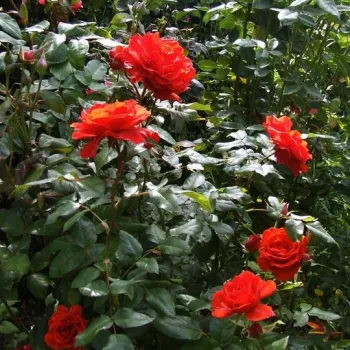
In a classic cottage setting, ALEXANDER™ brings a quietly confident sense of presence to family gardens, combining traditional hybrid tea form with modern reliability that copes well with breezy, moisture-laden British weather and heavier soils when drainage is considered. Its tall, upright stature creates a natural arbour-like backdrop for afternoon tea corners, while the vivid orange-red colour holds remarkably well, softening only gently as the blooms age. Long, straight stems deliver plenty of garden-worthy blooms for cutting, and the mild, delicate fragrance suits close seating areas where strong perfume might be overwhelming. As an own-root shrub, it offers reassuring endurance, regrowing from its base if winter or pruning are less than perfect and steadily gaining character each season. With thoughtful watering and simple deadheading, you can enjoy dependable repeat flowering through summer and into autumn without complicated routine.
Usage options
| Target area | Reasoning |
|---|
| Feature rose beside a terrace or seating nook |
The tall, upright habit forms a natural vertical accent that frames a bench or small terrace without overwhelming the space. Medium-sized, high-centred flowers sit at eye level, giving you a refined tea-rose look during everyday use of the garden. This works well where you want structure without heavy clipping, suiting those with limited time for shaping and training, particularly busy-owners. |
| Cottage-style mixed border with perennials |
ALEXANDER™ integrates smoothly into informal cottage borders, its balanced growth interweaving with perennials such as crocosmia, obedient plant, and annual lobelia. The orange-red tones echo late-summer planting schemes while the shrub-like framework gives the border backbone. Occasional deadheading keeps the display fresh through the season for cottage-lovers. |
| Traditional rose bed in a family front garden |
Planted in small groups at the recommended spacing, this variety creates a coherent, formal bed with consistently shaped blooms and harmonised height. The reliable repeat flowering and tidy, moderately dense foliage ensure the bed looks cared-for even when maintenance is basic, giving a classic welcome for home-proud. |
| Low, informal flowering hedge along a path |
At 60 cm spacing, its upright canes and regular flushes of flowers form a gently see-through hedge, defining paths without creating a rigid wall. The light green foliage and vivid flower colour add interest from both sides, underlining boundaries in a soft way that suits family gardens used daily by garden-walkers. |
| Cutting patch for home-arranged flowers |
Long, straight stems with solitary, well-shaped blooms are ideal for vases and table arrangements, bringing the storybook tea-rose look indoors. The colour holds well in the house and the mild scent does not dominate dining areas, making this a dependable choice for beginners who want predictable results as home-arrangers. |
| Statement specimen near an entrance or focal point |
Used as a solitary specimen at around 110 cm distance from other shrubs, ALEXANDER™ becomes a strong vertical accent, its award-winning pedigree reflected in the consistently elegant flower form. The own-root character supports a long-lived framework, meaning the plant can mature into a stable, welcoming anchor for entrance-planners. |
| Roses in challenging, wind-exposed family plots |
This variety maintains its structure and flower quality where gardens are open to prevailing winds or regular rain, as often found in coastal-influenced or elevated UK sites. Once established, its own-root system anchors well and recovers strongly from weather damage, reassuring less-experienced coastal-gardeners. |
| Large decorative containers on patios or driveways |
In a generously sized container of at least 40–50 litres with good drainage, ALEXANDER™ behaves as a vertical architectural feature, ideal for flanking steps or patios. Ensure regular watering in dry spells and basic feeding, and the own-root plant will fill the pot with a resilient framework over successive seasons for pot-gardeners. |
Styling ideas
- Terrace-Focus – Position ALEXANDER™ by a bistro set, underplanted with soft mounding lobelia to echo its orange-red blooms – ideal for couples who enjoy evening tea outdoors.
- Cottage-Drift – Plant in a loose line with crocosmia and obedient plant for a fiery summer ribbon through a lawn – appealing to those building an informal cottage-style garden.
- Entrance-Accent – Use a single plant in a large pot by the front door, pairing with clipped box or lavender for year-round structure – suitable for homeowners wanting a simple, tidy welcome.
- Border-Framework – Set a small group mid-border behind low herbs and in front of taller shrubs, to give vertical rhythm and repeat colour – good for family gardeners refreshing existing beds.
- Cutting-Corner – Dedicate a sunny patch to three or five plants at bed spacing, ensuring easy access for snipping stems for the house – perfect for hobby florists who like relaxed home arrangements.
Technical cultivar profile
| Property | Data |
|---|
| Name and registration |
Hybrid tea rose, shrub type, registered as HARlex and marketed as Alexander™ hybrid tea rose HARlex; recognised by the American Rose Society for exhibition as Alexander. |
| Origin and breeding |
Bred by Jack L. Harkness, R. Harkness Roses & Co. Ltd. in the United Kingdom, from ‘Tropicana’ × (‘Ann Elizabeth’ × ‘Allgold’); introduced and registered in 1972. |
| Awards and recognition |
Holder of multiple international awards, including ADR classification, RNRS James Mason Gold Medal and RHS/RNRS Award of Garden Merit, confirming proven garden and exhibition value. |
| Growth and structural characteristics |
Tall, upright shrub reaching about 145–195 cm in height with 85–115 cm spread; moderately dense, light green foliage on prickly stems; spent blooms often need deadheading to maintain appearance. |
| Flower morphology |
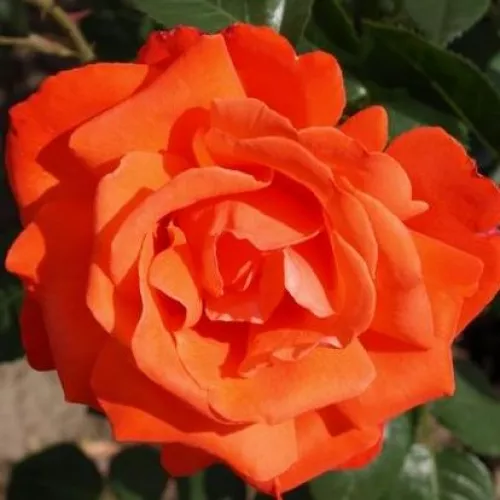
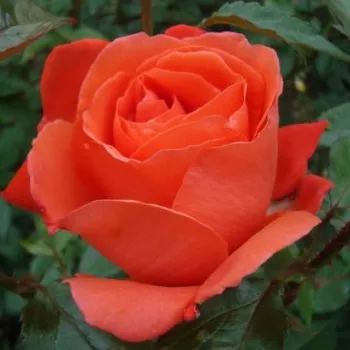
Medium-sized, double flowers with 26–39 petals, mainly solitary on stems; cupped, medium high-centred tea-rose form, repeated flushes providing abundant second and later flowering in season. |
| Colour data and phenology |
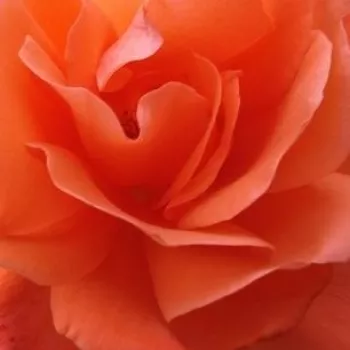
Vivid orange-red with vermilion overtones; colour holds strongly, then fades slowly to a softer salmon-orange pastel; ARS code OR, RHS 34A–34B; effect remains bright yet refined in the border. |
| Fragrance and aroma |
Soft, delicate fragrance of mild strength, noticeable at close range without dominating; comfortable for seating areas and dining terraces where a subtle, classic rose scent is preferred. |
| Hip characteristics |
Rose hip formation generally limited by double flowers; where pollinated, produces occasional small, ovoid orange-red hips, approximately 12–18 mm in diameter, with modest ornamental contribution. |
| Resistance and winter hardiness |
Hardy to about –21 to –18 °C (RHS H7, USDA 6b); good resistance to powdery mildew and black spot, moderate against rust; tolerates heat with regular watering during extended dry periods. |
| Horticultural recommendations |
Suited to beds, hedging, specimen and cutting; medium maintenance with periodic plant protection, deadheading and feeding; plant at 60–110 cm spacing depending on use, in sun or light partial shade. |
ALEXANDER™ offers tall structure, vivid colour and reliable flowering on a durable own-root framework that settles in for years of use, making it a thoughtful choice for gardeners seeking a classic yet practical hybrid tea rose.