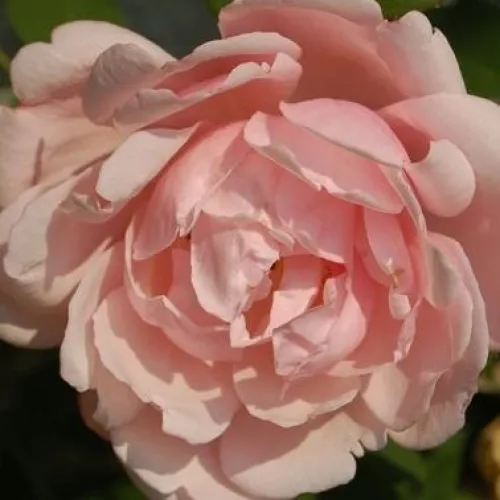
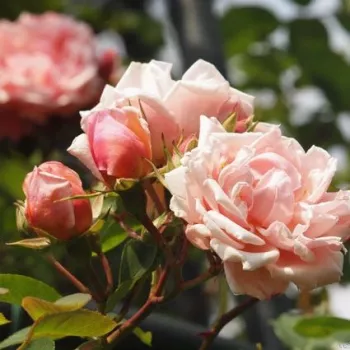
ALBERTINE – salmon-pink historic rambler-climbing rose - Barbier
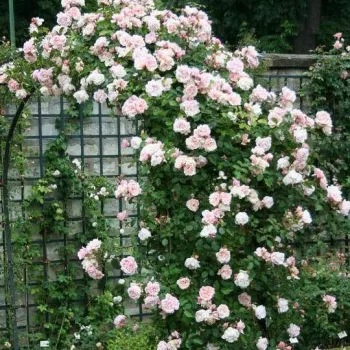
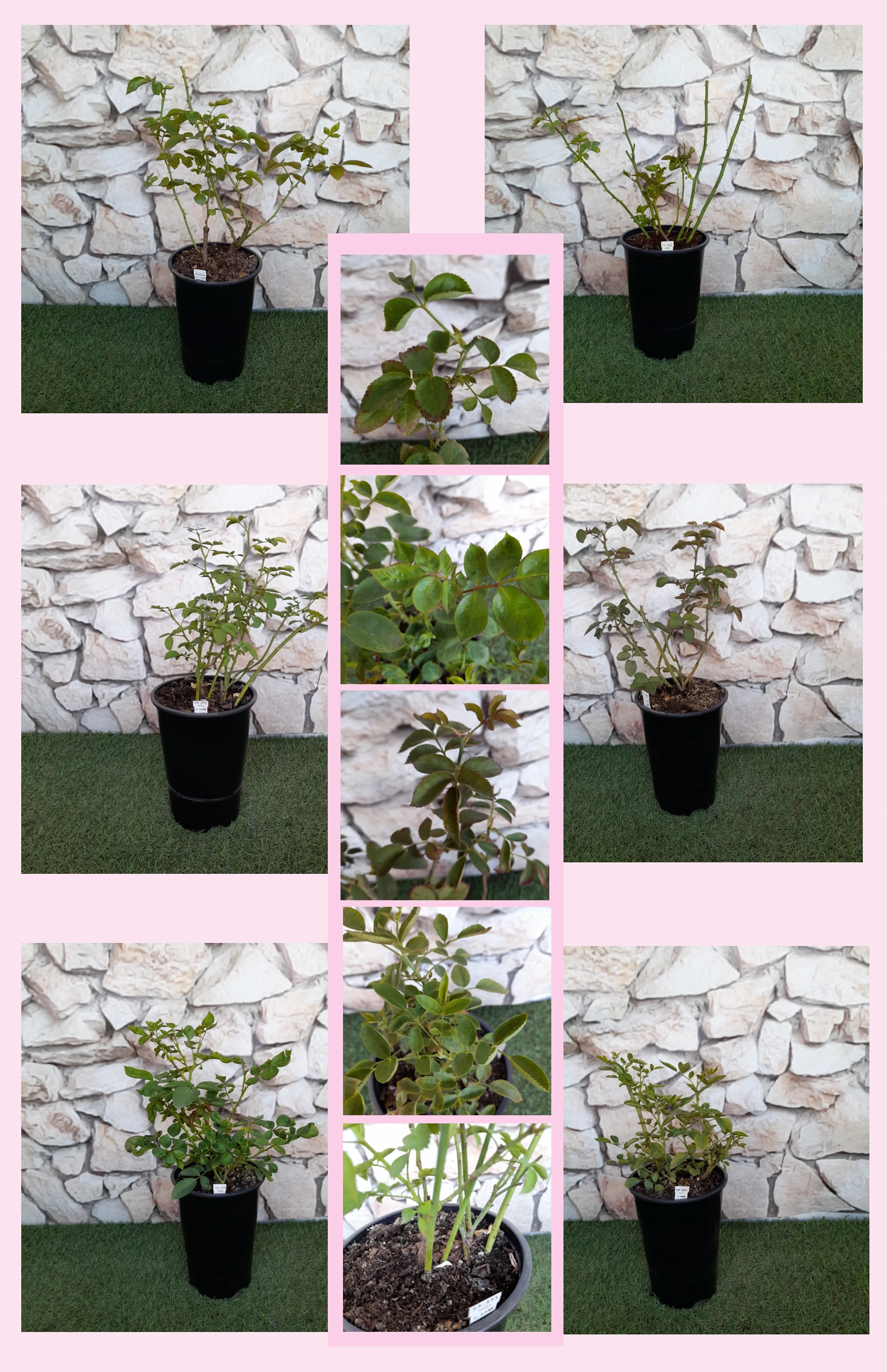
With its arching canes and clouds of salmon-pink blossom, ALBERTINE brings an instantly romantic, storybook atmosphere to pergolas and arbours, ideal for relaxed afternoon tea corners in a family garden. This historic rambler-climber covers structures quickly, yet its own-root form offers reassuring long-term stability, quietly thickening up year after year for a dependable, traditional look. Strong, far-reaching fragrance creates an enveloping ambience, while dense, glossy foliage keeps the rose attractive even between flushes. Medium height and spread make it practical for typical UK plots, including gardens exposed to coastal breezes and summer rain, provided the root area is reasonably well drained. Once planted, you simply guide the flexible canes and enjoy its scented flowering displays; detailed pruning is optional rather than essential. The own-root habit means that if winter or weather ever damage the top growth, the plant regrows true to type from below, preserving its historic character for years. Over time, you will see a natural progression from rooting-in, to building strong shoots, to a fully developed curtain of blossom that settles beautifully into a cottage-style setting and frames cherished family moments.
Usage options
| Target area |
Reasoning |
| Arbour or pergola in a family seating area |
Albertine’s arching climbing habit and dense foliage quickly clothe an arbour, creating a sheltered, fragrant nook ideal for afternoon tea or children’s reading corners. Own-root plants re-sprout reliably if canes are damaged, supporting long-term use for busy family gardeners. |
| Romantic cottage-style boundary fence |
Planted along a fence at the recommended spacing, this historic rambler forms a flowing, traditional screen with soft salmon-pink clusters and glossy dark leaves. Medium maintenance and good disease resistance suit those wanting charm without constant spraying for beginner homeowners. |
| Wall-trained feature near the house |
Its flexible canes can be fanned along horizontal wires on a sunny wall, giving strong fragrance where you pass daily. Repeat flowering, though lighter after the main flush, keeps interest going without complex pruning, a good match for time-pressed urban gardeners. |
| Raised bed or improved clay border |
In heavier clay gardens, Albertine thrives when given a well-prepared, free-draining root run, responding with vigorous yet manageable growth and stable anchoring. Own-root structure builds a lasting framework that settles in over several seasons for long-term garden planners. |
| Part-shaded cottage garden corner |
This rose tolerates partial shade, so it can brighten a side-garden or east-facing corner where many climbers struggle. The soft pastel salmon-pink blends gently with herbaceous companions, achieving a relaxed, “girly” cottage mood for romantic-style enthusiasts. |
| Large container by a porch or terrace (40–50 L+) |
In a substantial 40–50 litre or larger container with support, Albertine offers scented vertical interest where border space is tight. Own-root vigour and the ability to regenerate make it forgiving if watering or feeding is occasionally irregular for balcony and patio owners. |
| Informal park-style planting or large rural garden |
Given room, this rambler creates sweeping, naturalistic drapes over old trees, outbuildings or rustic structures. Self-cleaning blooms drop cleanly, reducing deadheading, while medium disease resistance supports lower-input care, fitting the needs of low-maintenance country gardeners. |
| Family path or gate entrance frame |
Trained over an entrance arch, Albertine offers a welcoming, strongly scented curtain of blossom that children and guests pass beneath. As the own-root plant matures from rooting-in to building canes and finally full ornamental impact over three seasons, it rewards patient garden romantics. |
Styling ideas
- Cottage Arbour Retreat – Train Albertine over a wooden arbour with painted benches, underplanted with Achillea and soft grasses for a storybook afternoon tea corner – perfect for romantic-style enthusiasts.
- Pastel Boundary Screen – Let it ramble along a fence with Echinacea ‘Delicious Nougat’ and pale foxgloves for a feminine pink-and-cream cottage palette – ideal for those craving a “girly” yet traditional border.
- Kitchen-Garden Backdrop – Use Albertine as a scented vertical backdrop behind raised vegetable beds, paired with herbs and Ilex crenata balls for structure – suited to rural kitchen-garden owners.
- Porch Welcome Arch – Frame a front gate or porch with Albertine on a simple metal arch, keeping the underplanting low and neat for easy access – great for busy family households.
- Naturalised Country Corner – Allow it to spill over an old tree stump or rustic fence, with low yarrow and meadow-style perennials to evoke historic parkland – appealing to lovers of informal, long-lived plantings.
Technical cultivar profile
| Property |
Data |
| Name and registration |
Albertine is a historic Hybrid Wichurana rambler-climber, traded as ALBERTINE – salmon-pink historic rambler-climbing rose - Barbier; exhibition name recognised by the American Rose Society as Albertine. |
| Origin and breeding |
Bred by René Barbier, Barbier Frères & Cie in France from Rosa wichurana × ‘Mrs. Arthur Robert Waddell’; introduced by Barbier Frères & Cie in 1921 as an unregistered, now classic historic garden rose. |
| Awards and recognition |
Holds the Royal Horticultural Society Award of Garden Merit (1993), confirming reliable garden performance, ornamental value and relative ease of cultivation under typical temperate-climate conditions. |
| Growth and structural characteristics |
Vigorous climbing habit reaching about 3,5–6 m high and 3–5,2 m spread, with arching, densely thorny canes and abundant, dark glossy foliage creating a full, cascading effect on supports. |
| Flower morphology |
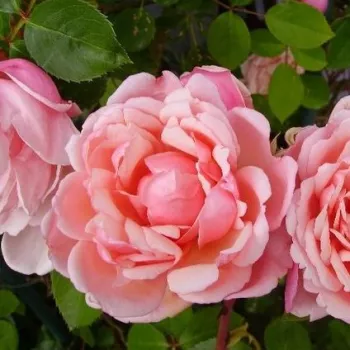
Double, 26–39 petalled, cup-shaped flowers in clusters; small individual blooms of roughly 1–4 cm, borne in generous trusses that create strong visual impact even though each flower is modest in size. |
| Colour data and phenology |
Mid salmon-pink with copper tones (RHS 36B–36C), opening bright copper-pink and ageing to paler pastel with creamy outer edges; colour lightens in strong sun and intensifies in cooler weather conditions. |
| Fragrance and aroma |
Strong, far-reaching sweet fruity scent typical of classic ramblers, best appreciated around seating areas or paths; fragrance is a key ornamental feature, often noticeable several metres from the plant. |
| Hip characteristics |
Produces limited rosehips; small 8–12 mm ovoid fruits that develop orange-red tones by autumn, adding a modest seasonal accent but not a principal ornamental or wildlife feature of this cultivar. |
| Resistance and winter hardiness |
Rated H7, hardy to about −26 to −23 °C and USDA 5b; good heat and moderate drought tolerance, with resistance to powdery mildew and black spot and medium susceptibility to rust in damp seasons. |
| Horticultural recommendations |
Best on pergolas, arbours, fences, walls or park structures; allow space for 2,4–4,4 m between plants, provide sturdy support, moderate feeding, and occasional plant protection in high disease-pressure areas. |
Albertine combines strong fragrance, romantic historic character and dependable climbing coverage in an own-root form that matures gracefully over time; consider it if you want a long-lived, storybook rose presence in your garden.