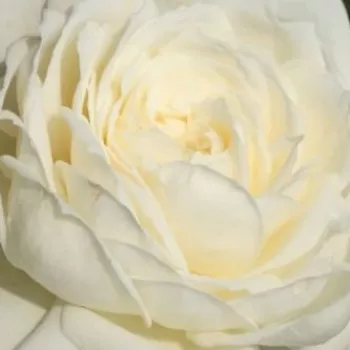
ALASKA® – cream-white climbing rose – Kordes
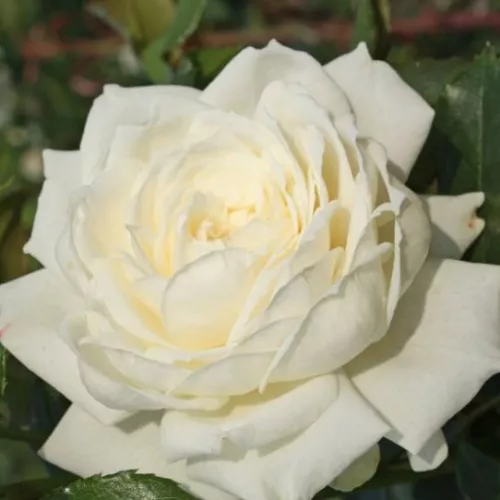
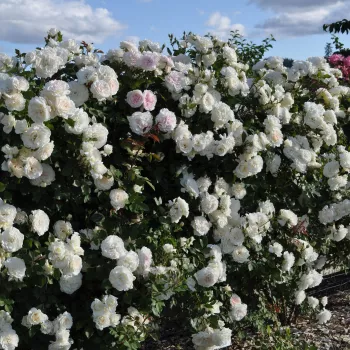
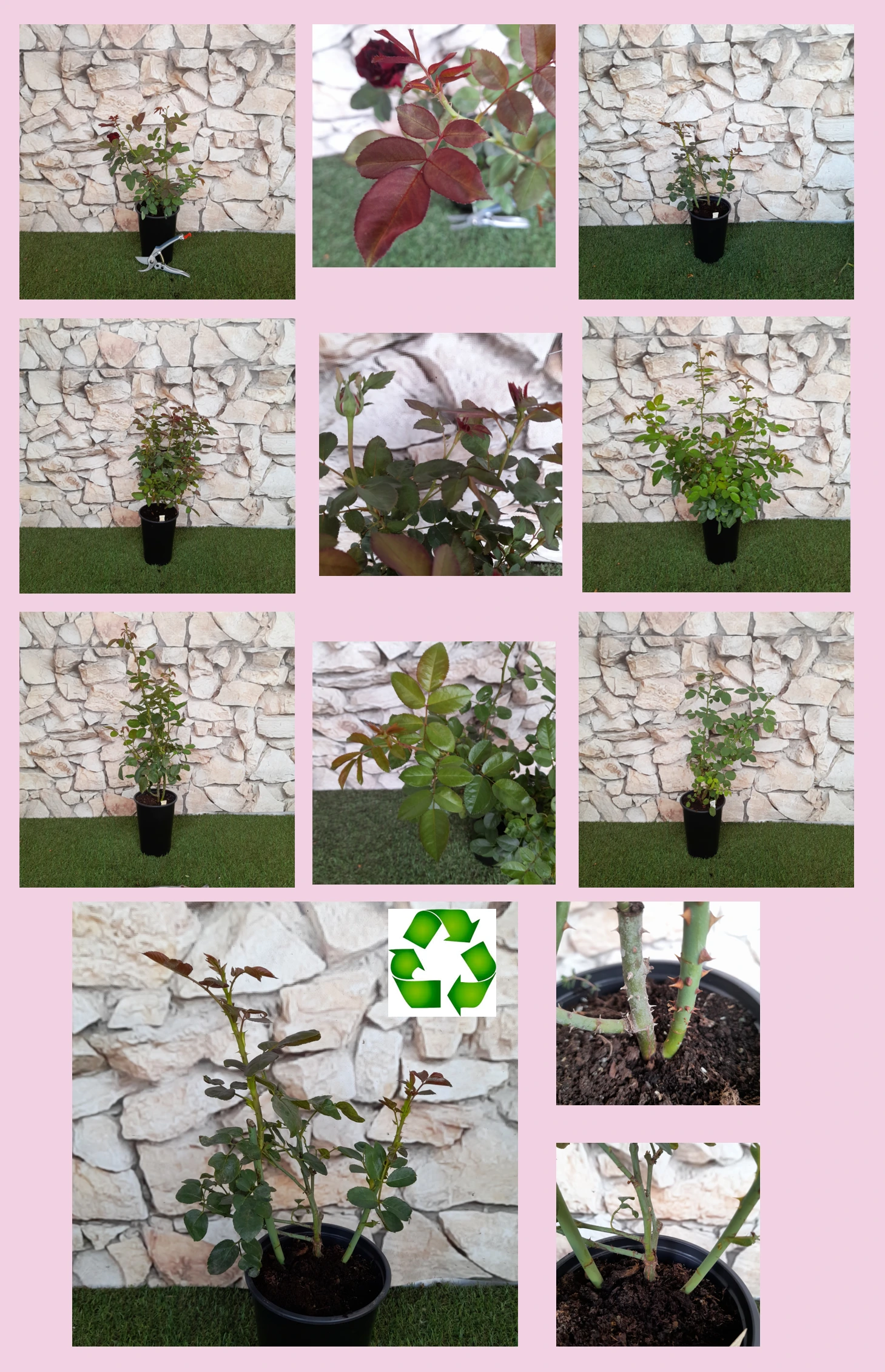
Create a storybook corner in your garden with ALASKA®, a cream-white climbing rose designed for romance, everyday comfort and reassuring reliability. Its large, very full blooms repeat generously through summer, dressing arches, pergolas and fences in softly glowing cream and gentle light. Bred by Kordes for excellent cold tolerance, it copes calmly with cool winds and unsettled weather, even in exposed, breezy plots where many climbers struggle with driving rain. As an own-root plant in the pharmaROSA® ORIGINAL 2-litre pot, it anchors securely, matures steadily and offers an easy-care route to long-term beauty. Expect a natural development rhythm – roots in the first year, more shoots in the second, full ornamental value by the third – giving you a dependable future focal point beside terrace, lawn or kitchen-garden path.
Usage options
| Target area | Reasoning |
|---|
| Arbour or arch near a seating area |
The large, double cream-white flowers and steady repeat flush create a romantic canopy that suits afternoon tea or evening unwinding, while the mild fragrance feels present yet not overpowering for close seating areas, ideal for those seeking cosiness. |
| Pergola framing a family terrace |
ALASKA® builds a strong climbing framework over time, giving stable cover for pergolas without demanding complex pruning; own-root growth means it recovers well from winter or accidental damage, reassuring for beginners. |
| Clothed fence in a small to medium garden |
Its moderate height and 80–160 cm spread make it easy to manage along an average garden fence, creating a soft, traditional boundary that remains attractive for many years thanks to its long-lived own-root constitution, perfect for the practical homeowner. |
| Feature climber against a sunny wall |
The cultivar appreciates sun and tolerates heat and moderate drought, so once established on a house or garage wall it flowers dependably with modest watering, suiting the routines of a busy household. |
| Rose-and-herb cottage border |
Clustered, cut-rose-style blooms in calm cream-white blend easily with herbs, gypsophila and irises, giving a soft cottage look without clashing colours, which appeals to lovers of romantic planting. |
| Traditional entrance or driveway arch |
Good winter hardiness and award-winning garden performance mean it holds its own through harsher seasons, so an entrance arch remains well-clothed rather than bare, a reassuring choice for long-term-minded planners. |
| Large container by a patio or balcony edge |
In a 40–50 litre or larger container with good drainage, ALASKA® can be trained up a slim obelisk or trellis, bringing climbing roses to paved spaces while remaining simple to water and feed, convenient for urban gardeners. |
| Wildlife-friendly, low-intervention corner |
Occasional small orange-red hips, along with steady structural cover, add subtle seasonal interest and some support for local birds, even where you keep maintenance light in breezier, rain-exposed spots, appreciated by nature-conscious families. |
Styling ideas
- Cottage Archway – Train ALASKA® over a simple wooden arch, underplant with Verbena hastata ‘Pink Spires’ and soft catmint for a pastel, country-lane feel – ideal for romantic style seekers.
- Kitchen-Garden Screen – Run it along a wire-strung fence beside raised vegetable beds, mixing with herbs and perennial geraniums to separate work and play areas – for practical family gardeners.
- Evening Pergola – Let its cream blooms catch the last light above a seating pergola, with white foxgloves and grasses below to extend the calm palette – for those who linger outdoors after work.
- Front-Door Welcome – Flank the entrance with two matching arches or wall trellises, combining ALASKA® with evergreen box and lavender for year-round structure – suited to homeowners wanting classic kerb appeal.
- Patio Container Trellis – Grow it in a 50-litre tub with a narrow obelisk, adding trailing thyme and gypsophila around the base for an airy, portable display – perfect for balcony or terrace users.
Technical cultivar profile
| Parameter | Data |
|---|
| Name and registration |
Large-flowered climbing rose from the Klettermaxe® collection; registered as KORjoslio, marketed as Alaska® Klettermaxe®; exhibition name Future in American Rose Society registers. |
| Origin and breeding |
Bred by Tim-Hermann Kordes, W. Kordes & Sons, Germany from ‘Moonlight’ × unnamed seedling; selected 2005, introduced 2014 with EU PBR and later USA plant patent protection. |
| Awards and recognition |
Highly decorated climber with Certificat de Mérite at Bagatelle 2014, gold medals at Kortrijk and La Tacita, first prizes at Lyon and Baden, and Best Climber at Belfast 2018. |
| Growth and structural characteristics |
Climbing habit reaching about 180–280 cm high with 80–160 cm spread; moderately thorny, medium-green, slightly glossy foliage; moderate self-cleaning so some deadheading improves overall appearance. |
| Flower morphology |
Large, very double high-centred blooms with over 40 petals, borne mainly in clusters; strongly remontant with abundant second flush, giving extended display suitable for cutting and vertical accents. |
| Colour data and phenology |
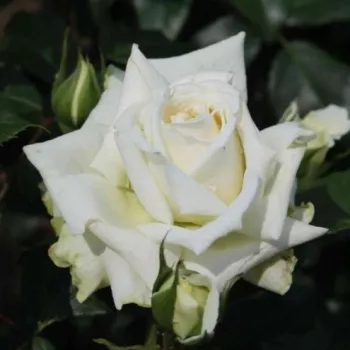
Cream-white base colour with delicate pink veiling on buds; flowers open with buttery centres and faint blush, maturing to pearly white; colour holds very well with minimal fading under normal garden conditions. |
| Fragrance and aroma |
Displays a mild, delicately sweet fragrance that is noticeable at close range without dominating nearby seating areas; very double form conceals stamens, so it is grown mainly for visual effect. |
| Hip characteristics |
Rosehip set is usually light due to very double flowers; where formed, hips are small, spherical and orange-red, around 7–11 mm diameter, adding modest late-season ornamental value. |
| Resistance and winter hardiness |
Rated to around -21 to -18 °C (RHS H7, Swedish Zone 3, USDA 6b); tolerates heat and moderate drought; disease resistance is medium, so occasional protection may be needed in high-pressure seasons. |
| Horticultural recommendations |
Best on sunny supports such as arches, pergolas or walls; allow 140–240 cm spacing depending on use; in heavier clay or chalk soils, ensure improved drainage and support with regular tying and light pruning. |
ALASKA® offers steady repeat flowering, dependable cold-hardy structure and long-lived own-root resilience for arches and pergolas, making it a thoughtful choice if you prefer beauty that quietly endures.