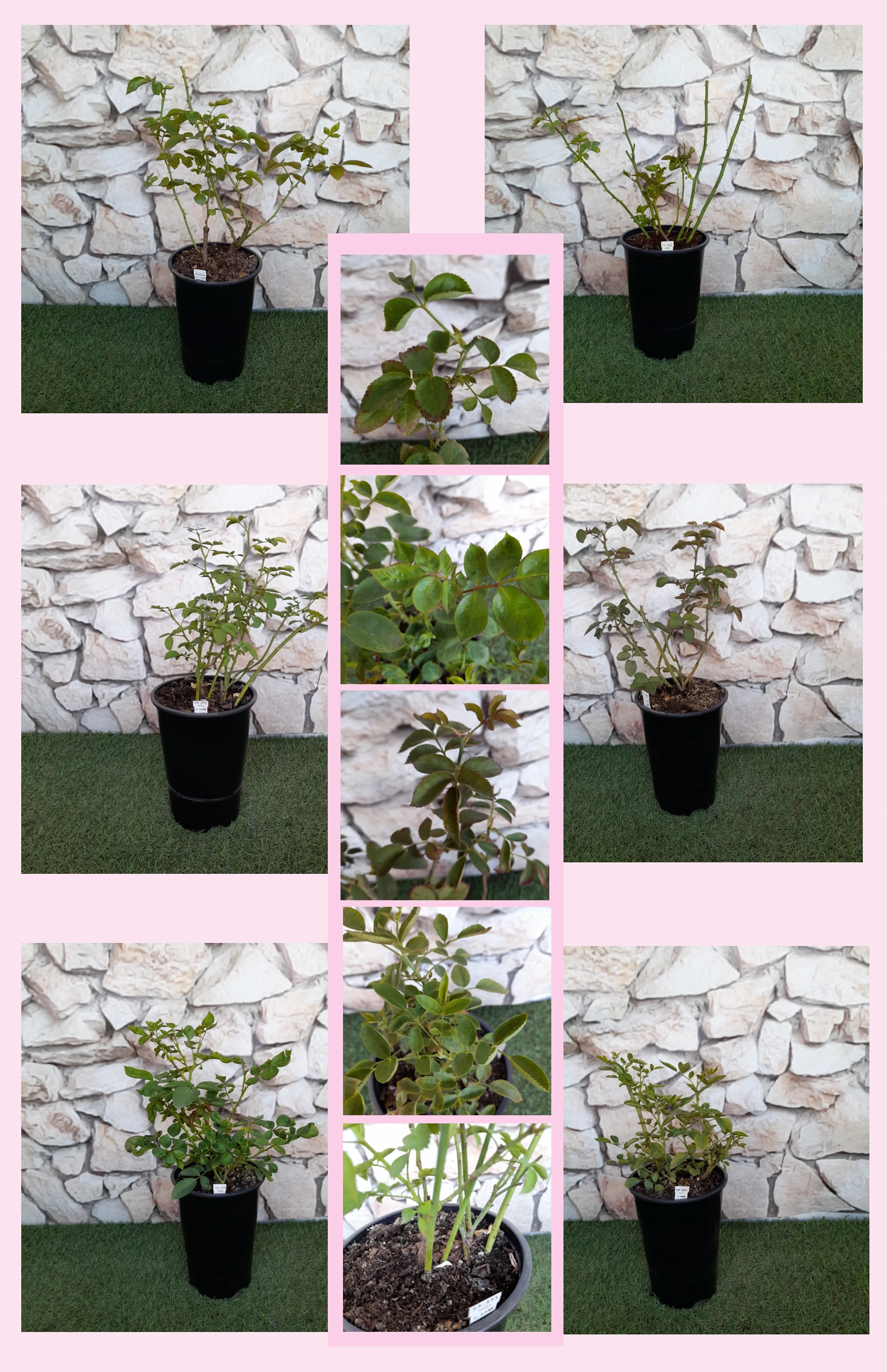
ACROPOLIS – pink nostalgic rose – Meilland
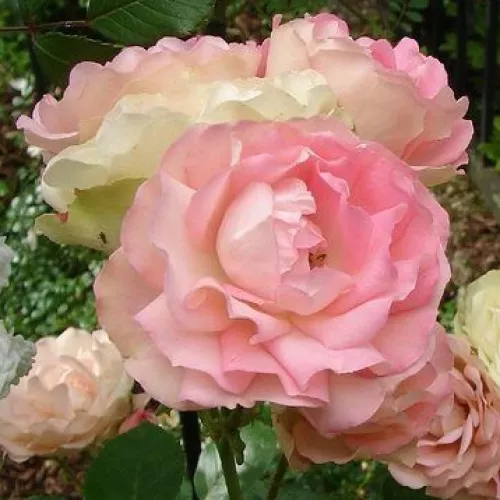
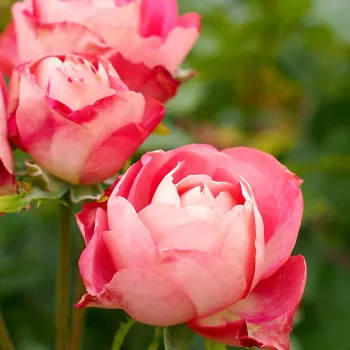
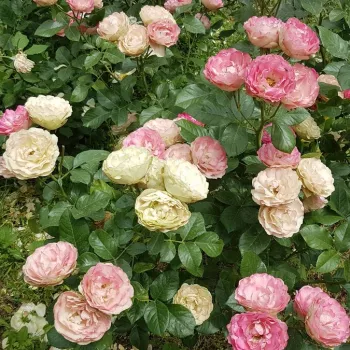
With its storybook clusters of salmon‑pink blooms, ACROPOLIS settles into family gardens as a quietly reliable, own‑root companion. The cupped, nostalgic flowers open in soft coral tones and age gracefully to rosy cream, giving borders a gentle continuity of colour from early summer well into autumn. Its compact, bushy structure makes it easy to place near paths, seating and kitchen‑garden beds, while moderate height and dense foliage lend natural privacy. In typical British conditions it copes steadily with rain and breeze near the coast, providing reassuring stability in changeable weather. Planted as a container focal point or in the ground, it integrates smoothly into cottage‑style borders without demanding intricate pruning. As an own‑root shrub it builds strength year by year, giving you dependable longevity in a romantic, low‑fuss setting.
Usage options
| Target area | Reasoning |
|---|
| Small cottage-style front garden bed |
The compact, bushy shrub fits neatly into narrow beds and under windows without overwhelming the space, while its nostalgic flower shape and soft salmon‑pink tones create an immediate cottage feel that matures naturally over the first three seasons, moving from root establishment to fuller top growth and, by the third year, a well‑filled ornamental display suited to beginners and busy homeowners. |
| Seating area or afternoon tea corner |
Clustered, cupped blooms on a relatively low, dense framework frame benches and small patios without blocking light, creating a cosy, storybook backdrop for outdoor seating where the colour interest is gentle rather than overpowering, ideal for those who want charm without high fragrance, such as family hosts. |
| Loose flowering hedge along a path |
Planted at the recommended spacing, ACROPOLIS forms a low, airy hedge that defines paths and driveways with repeat waves of nostalgic flowers, its moderate height ensuring easy visual access while the dense foliage offers a light sense of enclosure that suits traditional boundaries for cottage gardeners. |
| Mixed border with perennials |
The medium height and bushy habit let it sit comfortably among perennials and grasses, its repeat flowering weaving soft salmon‑pink accents through the season without leaving large gaps, offering an enduring, low‑maintenance focal point for colour enthusiasts. |
| Feature rose in a large container |
In a 40–50 litre or larger pot, its restrained size and tidy outline are easy to manage on terraces and small patios; regular watering is straightforward, and the dependable rebloom gives long seasonal interest in limited space for urban gardeners. |
| Family play garden edges |
Moderate height and reasonably dense foliage help gently separate play areas from planting without creating tall barriers, while the nostalgic flowers bring a decorative touch that appeals to children and adults alike, suiting relaxed spaces for young families. |
| Coastal or breezier suburban sites |
The sturdy, bushy framework and medium stature cope well with typical British breezes and unsettled weather, offering a stable presence that keeps its form in exposed or semi‑exposed positions, even where rain and wind are frequent, reassuring for seaside owners. |
| Cutting patch or kitchen-garden border |
Clustered, double blooms on firm stems lend themselves to small bunches for the house; placing plants along kitchen‑garden edges combines ornamental and practical use while the own‑root habit supports long service life with relatively simple annual care for hobby arrangers. |
Styling ideas
- TEA-ARBOR – Underplant ACROPOLIS with catmint and low lavender beside a small arbour or bench for soft colour layers – ideal for romantic front gardens.
- HEDGEROW – Create a loose, knee‑high hedge mixed with pink foxgloves and hardy geraniums along a path – suitable for traditional cottage‑style borders.
- PASTEL-PATIO – Grow it in a 50‑litre terracotta pot with trailing thyme and soft blue lobelia – perfect for compact patios and balconies.
- COUNTRYSIDE-MIX – Combine with Verbena hastata ‘Blue Spires’ and airy ornamental grasses in a long border – appealing to those who like naturalistic planting.
- KITCHEN-ROW – Line a kitchen‑garden edge with ACROPOLIS and herbs such as chives and sage – attractive for home cooks who enjoy cutting a few stems.
Technical cultivar profile
| Parameter | Data |
|---|
| Name and registration |
Romantica shrub nostalgia rose; registered as MEIcrado, marketed as ACROPOLIS MEILLAND Classics collection, with ARS exhibition name ACROPOLIS for floribunda and cut flower classes. |
| Origin and breeding |
Bred by Alain Meilland, Meilland International SA, France; introduced in 2002 as a shrub‑type Romantica rose with unknown parentage selected for nostalgic flower form and garden performance. |
| Growth and structural characteristics |
Compact, bushy shrub reaching about 60–85 cm in height and 50–70 cm spread, with moderately thorny stems and dense, mid‑green, slightly glossy foliage suited to borders and containers. |
| Flower morphology |
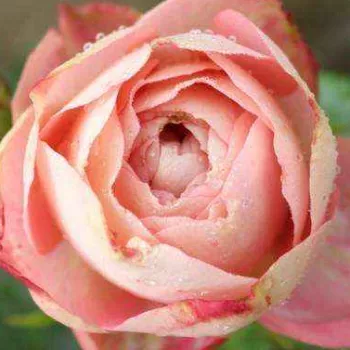
Large, double, cupped blooms with 26–39 petals, usually in clusters on branching stems; remontant habit provides an abundant second flush after the main early‑summer flowering period. |
| Colour data and phenology |
Salmon‑pink overall with creamy outer petals; buds coral‑pink, opening warm salmon‑peach, then lightening towards rosy‑cream as they age, with generally good colour retention through the flowering cycle. |
| Fragrance and aroma |
Fragrance is very weak and barely perceptible, making it suitable where scent is not a priority or in mixed plantings where strongly perfumed companions can provide the main olfactory interest. |
| Hip characteristics |
Double flowers set few hips; when present they are small, 8–12 mm diameter, globular and red, providing only modest autumn fruit interest and limited wildlife food value in most garden settings. |
| Resistance and winter hardiness |
Moderate disease resistance to black spot, powdery mildew and rust; hardy to approximately −21 to −18 °C (RHS H7, USDA 6b, Swedish zone 3) with normal British winter protection practices. |
| Horticultural recommendations |
Best in full sun with fertile, well‑drained soil; suited to beds, borders, hedging and large containers, with medium maintenance and occasional pest or disease control depending on local pressure. |
ACROPOLIS offers compact, bushy growth, repeat nostalgic blooms and adaptable use in borders or large containers, while its own-root form supports long-lived, steady garden value; a thoughtful choice for relaxed, traditional spaces.