A PESTI SRÁCOK EMLÉKE – dark red bedding floribunda rose - Márk
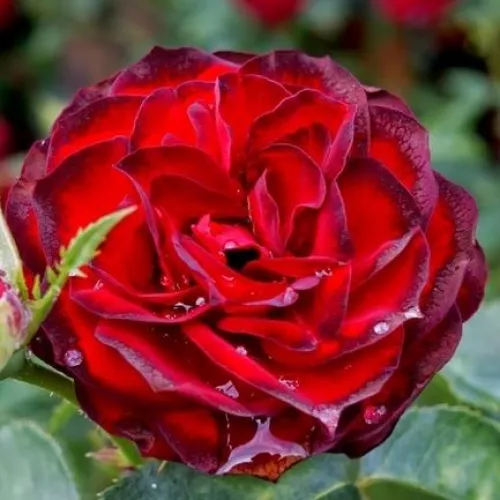
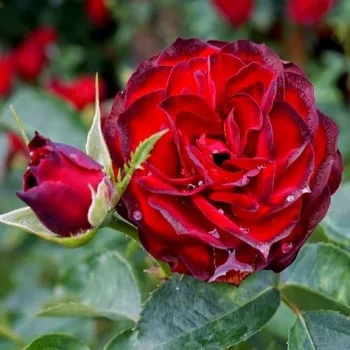
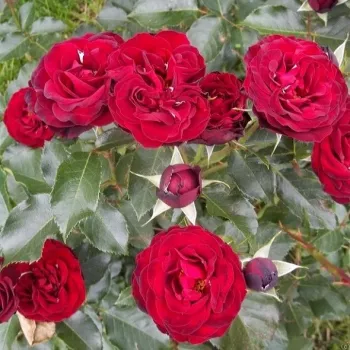
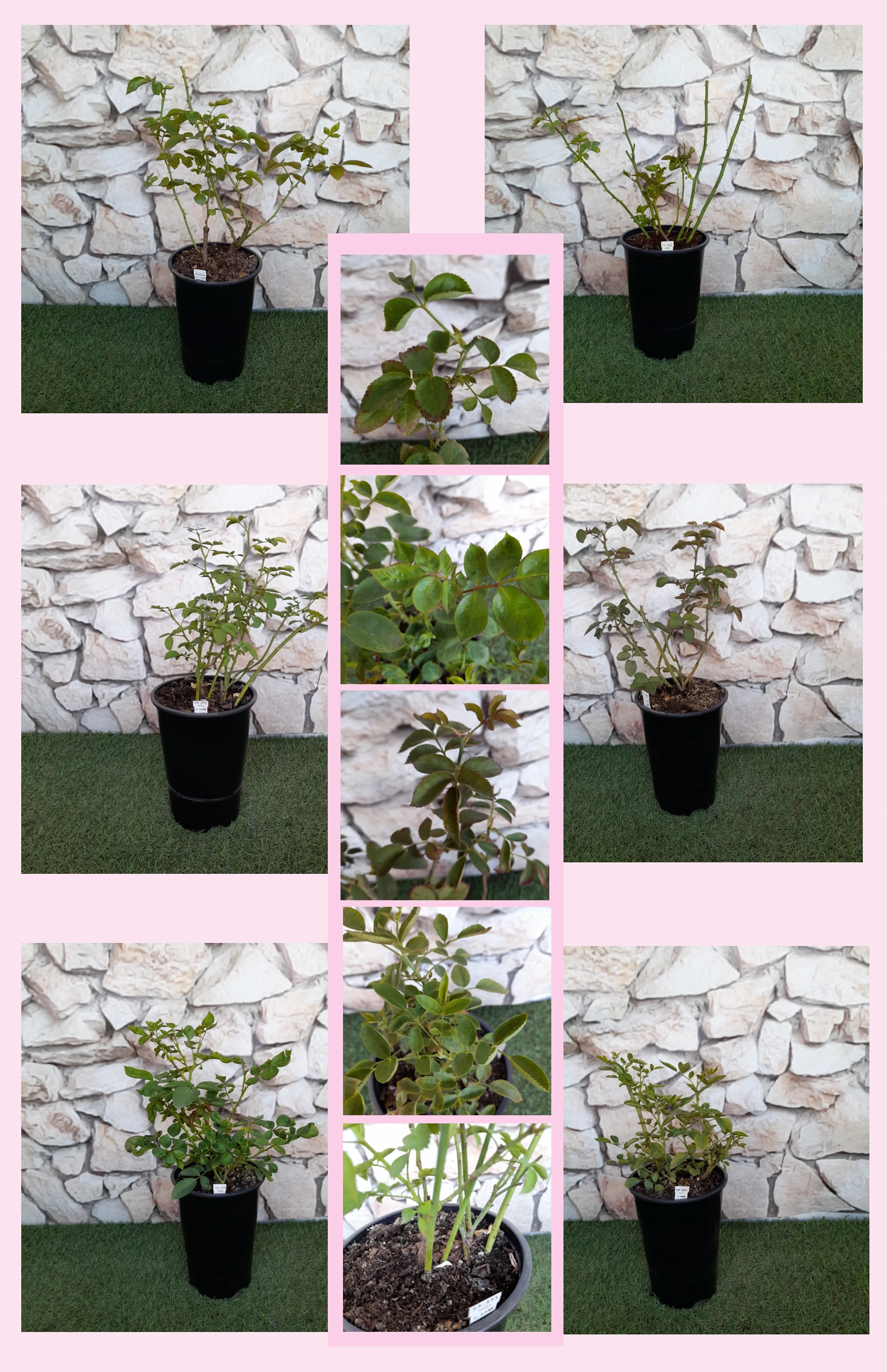
Created for relaxed, romantic gardens, A PESTI SRÁCOK EMLÉKE offers generous clusters of dark red blooms on a naturally bushy, compact shrub that slips easily into an English cottage-style border. Its floribunda habit means weeks of repeat flowering with only light seasonal tidying, while the robust root system anchors well even where soils are heavy and wet after rain and wind. As an own-root rose it is bred for longevity, quietly building strength year after year and keeping its shape without complicated training. Once settled, it rewards you with dependable flowering, good health under typical UK fungal pressure, and an attractively compact presence that suits family gardens and front paths alike. Ideal for low-effort bedding schemes, low hedges, or a single richly coloured accent in a large pot, this variety fits busy lives while still delivering that storybook, afternoon-tea atmosphere.
Usage options
| Target area |
Reasoning |
| Front-of-border in a family cottage garden |
The bushy, compact habit (about 60–80 cm high) forms a neat, low mound that sits perfectly at the front of a mixed cottage border without overshadowing herbs or perennials. Clustered, semi-double blooms repeat reliably through summer, so the border keeps its colour even if you have little time for deadheading: ideal for busy homeowners. |
| Traditional bedding and rose beds |
As a bedding floribunda, it has been selected to flower in generous clusters, creating an even sheet of dark red when planted in groups at the recommended spacing. Remontant flowering gives a strong second flush, so larger beds in front gardens or along drives look full and purposeful from a distance: perfect for formal-style gardeners. |
| Low informal hedge along paths or lawns |
The moderately dense foliage and consistent 60–85 cm spread mean plants link together into a low, softly rounded hedge. This creates a romantic edge to lawns or gravel paths, especially in smaller gardens where taller shrubs would feel overpowering, and offers structure all season: well suited to cottage-garden fans. |
| Urban and suburban plots with limited maintenance time |
Good resistance to black spot, mildew and rust reduces the need for spraying or frequent interventions, while only moderate deadheading is required due to partial self-cleaning. This makes it a strong choice for front gardens and shared spaces where low input but tidy appearance is essential: reassuring for low-maintenance seekers. |
| Small gardens on challenging, heavier soils |
The own-root plant develops a stable framework and strong base, better able to anchor itself and cope once established if your soil is on the heavier side, especially when combined with sensible drainage or a slight raise in the bed. Over time it offers steady, long-lived performance with minimal fuss: attractive for practical gardeners. |
| Large containers on patios or terraces |
Its compact growth and moderate root vigour make it suitable for large containers of at least 40–50 litres, where it can form a rounded, floriferous shrub without becoming leggy. This brings cottage-garden charm to patios, balconies or courtyard seating areas where ground planting is limited: ideal for space-conscious owners. |
| Pollinator-friendly mixed planting near seating |
Semi-double flowers with partly accessible stamens offer a modest resource for visiting insects, allowing you to combine classic rose looks with some ecological value. Plant near herbs, salvias and lavender to support pollinators and to frame benches or arbour seating in a relaxed, lived-in way: appealing to wildlife-aware families. |
| Long-term planting for enduring garden structure |
As an own-root rose, it retains its character even if cut back hard after a harsh winter or reshaping, regrowing from its own wood rather than a graft. This underpins a long lifespan and stable ornamental value in family gardens that are expected to mature gracefully over many years: important for long-view planners. |
Styling ideas
- Cottage-edged path – Line both sides of a narrow garden path with small groups, underplant with catmint and hardy geraniums for a soft, storybook look – suited to cottage-style enthusiasts
- Dark-red focal pot – Grow one plant in a 50-litre terracotta pot by a bench or door, with trailing thyme around the rim to highlight the compact habit – ideal for patio-focused homeowners
- Classic rose border – Mass-plant in front of taller shrub roses and yew or box, using its reliable repeat flowering to provide a dark-red ribbon of colour – for lovers of traditional layouts
- Soft low hedge – Create a loose hedge along a lawn edge, interspersed with small ornamental grasses to emphasise its bushy form and gentle movement – perfect for families wanting subtle structure
- Kitchen-garden frame – Place a short row to frame a vegetable plot or berry cage, pairing with herbs and calendula so flowers and pollinators spill into productive beds – appealing to kitchen-garden keepers
Technical cultivar profile
| Parameter |
Data |
| Name and registration |
A pesti srácok emléke is a dark red floribunda bedding rose, marketed as a shrub rose for beds and borders; American Rose Society exhibition name matches the current trade name. |
| Origin and breeding |
Bred by Márk Gergely in Hungary around 2000 from ‘II. Rákóczi Ferenc emléke’ × ‘Ama’ (Kordes, 1955); introduced to the market in 2006 by PharmaRosa Ltd. |
| Growth and structural characteristics |
Bushy, compact shrub reaching about 60–80 cm in height and 60–85 cm spread, with moderately dense, matt mid-green foliage and moderate prickliness suited to mass planting. |
| Flower morphology |
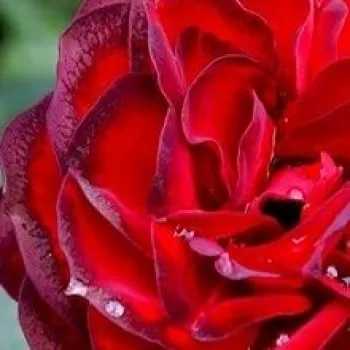
Semi-double, cup-shaped flowers with approximately 13–25 petals, medium sized (about 4–7 cm across), produced in clusters on a remontant plant that gives a notably abundant second flush. |
| Colour data and phenology |
Uniform deep dark-red blooms with a burgundy tone; colour holds well with good retention, showing only slight lightening in strong sun, and retains strong dark-red before ageing. |
| Fragrance and aroma |
Classified as scentless, with no noticeable fragrance reported; visual effect and colour impact are the main ornamental features rather than perfume in garden or cut use. |
| Hip characteristics |
Produces moderate quantities of spherical red hips, around 10–14 mm in diameter, adding a discreet seasonal accent in late season without overwhelming the plant’s flowering display. |
| Resistance and winter hardiness |
Shows good resistance to powdery mildew, black spot and rust; hardy to about −21 to −18 °C (RHS H7, USDA 6b, Swedish Zone 3) with good heat and moderate drought tolerance. |
| Horticultural recommendations |
Best in sunny positions for strong flowering; suited to beds, borders, hedging and urban plantings, at 40–75 cm spacing depending on use, with generally low maintenance requirements. |
A PESTI SRÁCOK EMLÉKE offers compact, floriferous bedding performance, strong disease resistance and the regenerative security of an own-root plant; a thoughtful choice if you want lasting colour with minimal fuss.